
 by
by From a sermon by Lucas Johnson
What is your favorite flavor of ice cream? Most people want to answer with fun, exciting, or unique flavors. Hardly anyone ever answers “vanilla” for fear of being labeled boring or basic.
The fact is most of us are pretty “vanilla.” And that’s not how we want to be described, right? We’d rather be strawberry swirl or Rocky Road. When we think of interesting people, we picture someone like Louis L’Amour, who traveled across the West, worked in mines, sailed the seas, and served in World War II—all before he was 30. Or Carroll Shelby, who went from bankrupt chicken farmer to building legendary race cars and winning the 24 Hours of Le Mans.
Sometimes in the church, we look at preachers, missionaries, or traveling evangelists and think, “I don’t have that education. I don’t have those skills. Why would God use just a vanilla, ordinary person like me?”
But here’s the truth: ordinary people need to see how God has worked in your ordinary life. They need to see the joy He’s given you, the fulfillment He’s provided, and the love He’s shown. Ordinary people need to understand that even with a stable family, steady job, and roof over your head, without Christ, there’s still a missing piece.
Don’t discount your ordinary testimony from your vanilla life. That may be exactly what saves your normal, everyday neighbor.
Go Where the People Are
Paul understood this principle. In Acts 18:1-3, we read that Paul went to Corinth, connected with Aquila and Priscilla, and “lived and worked with them, for they were tentmakers, just as he was.”
If you want to reach the lost, you have to go where the people are. The “if you build it, they will come” mentality doesn’t work. Ninety percent of new businesses fail. Seventy-five percent of books get rejected for publishing. Experts project 100,000 churches will close in the coming decade. We have to meet people where they are rather than expecting them to come to us.
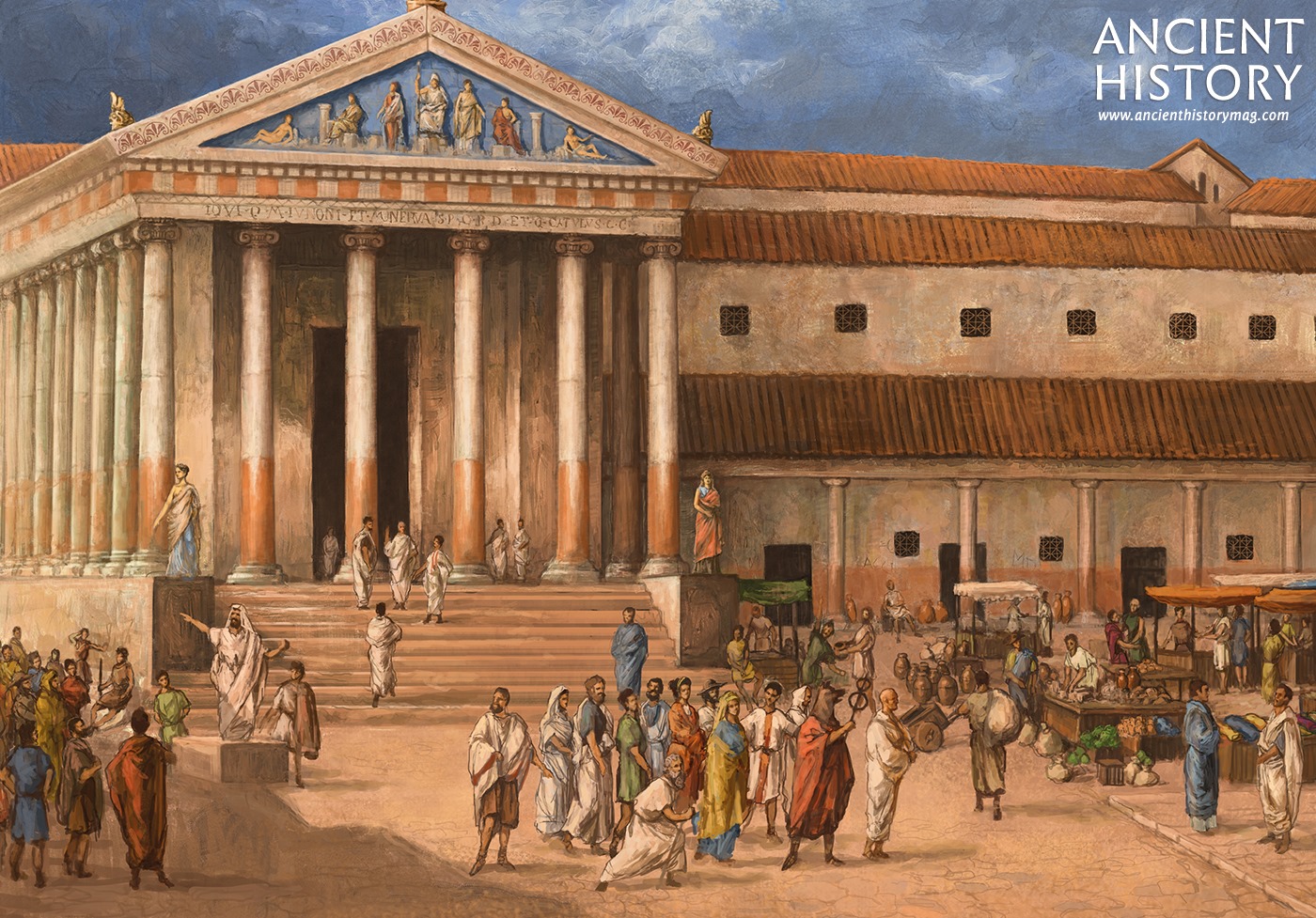
Paul was a tentmaker, which might sound like a waste of time if your goal is starting churches. But by making tents, Paul spent all day with people. He was in the marketplace, surrounded by shoppers, business owners, and community members. He did business with them, interacted with them, took on apprentices. His tentmaking gave him natural opportunities to meet people and bring up Jesus.
You have your own “tentmaking ministry.” Maybe you’re not making actual tents, but you have places that put you around people: your job, your neighborhood, your hobbies, your family activities. You know these people. You understand their culture.
The parents at your kids’ ballgames need Jesus. Your coworkers need Jesus. Your neighbors need Jesus. The people you hunt, fish, or play cards with need Jesus. You know them in ways that pastors and missionaries might not.
Take a moment to think: What’s one culture you’re part of that isn’t associated with church, where there are people who need Jesus?
Give It Time
Building relationships takes patience. When I worked at a boxing gym in Bloomington, there was a coach named Josh, a Golden Gloves champion who had recently converted to Christianity. He noticed that many fighters didn’t know Jesus, and nobody had ever explained Jesus in a way that someone from the boxing world would understand. So Josh started a Bible study right there in the gym. But it didn’t happen overnight. It took time, investing in relationships along the way.
When I worked in psychiatric hospitals, I thought I’d minister mainly to patients. Instead, I found opportunities with coworkers. After about a year of building relationships, we started a Bible study in our living room for hospital staff.
This isn’t an overnight process. In Acts 18:9-11, Paul stayed in Corinth for a year and a half. We live in a culture of convenience, but evangelism doesn’t work that way. We expect to tell someone about Jesus and have them want baptism on the spot, but that’s not realistic.
Remember the three steps: make a friend, be a friend, bring a friend to Christ. You can’t jump to the third step. Making and being a friend takes time.
Scatter Seeds Everywhere
Jesus gives us the perfect model in Matthew 13:1-9 with the parable of the sower. A farmer went out and scattered seeds across his field. Some fell on hard footpaths and birds ate them. Some fell on shallow, rocky soil and withered in the sun. Some fell among thorns and got choked out. But some fell on fertile soil and produced crops thirty, sixty, even a hundred times what was planted.
The farmer didn’t consult agricultural experts or buy fancy equipment. He simply scattered seeds wherever he went.

Evangelism doesn’t need to be flashy or complicated. It’s about scattering seeds of truth wherever you go. Sometimes hearts are too hard and people aren’t ready. Sometimes the gospel takes root but doesn’t mature because of distractions. But sometimes the soil is perfect, the seed grows deep roots, and that Christian goes on to make other Christians.
Remember, soil can change. Hard footpaths can be tilled, rocks can be removed. But usually, changing the soil is God’s job. He changes hearts. Our job is to scatter seeds and pray for the soil.
The Ripple Effect of Ordinary Faith
Consider Edward Kimball, a Sunday school teacher in Boston in the 1850s. You’ve probably never heard of him. He visited one of his students at the shoe store where he worked and led him to Christ. That young man was Dwight L. Moody.
Moody inspired Frederick Meyer, a preacher in Britain, to become an evangelist. Meyer preached to J. Wilbur Chapman. Chapman preached to baseball player Billy Sunday. Billy Sunday inspired men in Charlotte, North Carolina, to spread the gospel in their city. They invited Mordecai Ham to speak.
One farmer in that group would fill his pickup truck with young men from the community and drive them to hear Ham preach. One of those boys, at 16 years old, was Billy Graham.
It all traces back to a Sunday school teacher and a farmer who did nothing fancy. We’ve never heard of them. They didn’t revolutionize evangelism. They just scattered seeds wherever they went.
You don’t need to be Billy Graham or Dwight Moody. You just need to plant that seed in somebody’s life. Be patient. Get out in your community and know the people God has placed in your life. Your ordinary, vanilla testimony might be exactly what changes someone’s eternity.
LISTEN TO OR WATCH THE FULL SERMON HERE:
Video coming soon
 Daniel N. Lee