
 by
by We are hardwired to seek comfort. For most of human history, this instinct kept us alive. Being uncomfortable from hunger meant you were starving. Your body demanded rest or it would break down from overuse. You sought acceptance from your tribe because being an outcast meant death—whether from enemy tribes, predators, or the psychological toll of isolation.
But here’s the problem: we don’t live in that world anymore. When was the last time you were chased by a saber-toothed tiger? Yet we still operate as if we are. We still avoid discomfort at all costs, and ironically, this instinct that once saved us is now killing us—physically, mentally, and spiritually.
The philosopher Voltaire once said, “History is filled with the sounds of silken slippers going downstairs and wooden shoes coming up.” Hard circumstances create great figures, nations, and empires. Overindulgence in comfort leads to their demise.
The Church’s Comfort Problem
Nowhere is our fear of discomfort more evident than in the church. We say things like “We’ve never done that before” or “Other churches aren’t doing that.” Pastor Mark Clifton, who specializes in revitalizing dying churches, notes that the phrase “We’ve always done it that way” is usually the dying gasp of a church before it closes its doors for good.
When believers and churches get too focused on comfort, we stagnate spiritually, fail to glorify God, and eventually shut down. That reality should scare us far more than the fear of discomfort itself.
Moses Faces Pharaoh
Let’s look at Moses in Exodus 5-6. God had appeared to him in a burning bush and commanded him to tell Pharaoh to release the Hebrew slaves. This wasn’t just asking a king for a favor—Pharaoh was viewed as a god-king, descended from Ra himself. Moses was essentially confronting a deity.
Moses probably played out the scenario a hundred times in his head. He’d say this, Pharaoh would say that, his staff would turn into a snake, and Pharaoh would simply agree. Done and done.
But that’s not what happened.
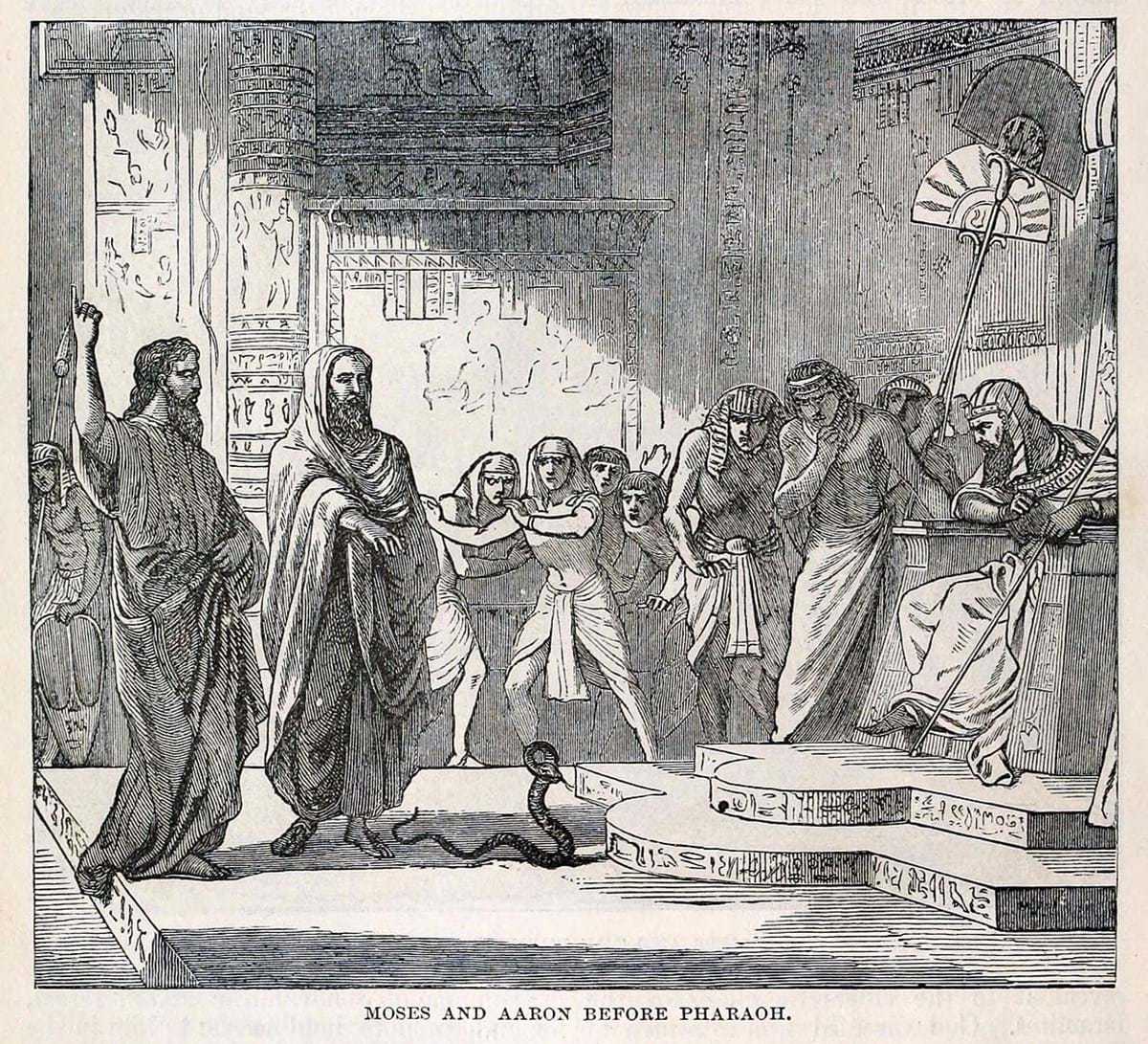
Pharaoh said no. In fact, things got worse. Pharaoh increased the Hebrews’ workload, forcing them to gather their own straw while maintaining the same brick quota. The people turned on Moses: “May the Lord judge you for making us stink before Pharaoh! You’ve given them an excuse to kill us!”
Three Uncomfortable Truths About Stepping Out
1. Your Plans Might Not Work Out
When we step outside our comfort zones, we need to accept that things might not go according to plan. We all do this—we create a perfect scenario in our heads and refuse to believe anything different could happen.
But just because things don’t work out the first time doesn’t make you a failure. It doesn’t mean you should retreat to your comfort zone and give up. It means you need to reevaluate and continue forward.
2. God’s Plan Is Better Than Yours
After Moses’ failed first attempt, God told him: “Now you will see what I will do to Pharaoh. When he feels the force of my strong hand, he will let the people go.”
God’s plan wasn’t for Israel to be released simply and easily. He knew that for the Hebrews to fully appreciate their freedom and follow Him as God’s people, they needed to feel the full burden of slavery first. They needed to understand what it meant to completely rely on God.
For Egypt, they needed to witness His full power through the ten plagues. Without that demonstration, the Egyptians wouldn’t have sent Israel out with jewelry, gold, and silver—a detail often forgotten but crucial to God’s plan.
God’s plan is good, even when it doesn’t match ours.
3. You Have to Be Persistent
God told Moses: “Go back to Pharaoh and tell him to let the people of Israel leave.”
Moses objected: “But Lord, my own people won’t listen to me anymore. How can I expect Pharaoh to listen?”
God’s response? Go anyway.
We understand persistence in other areas of life. We know that transforming our bodies takes consistent exercise and healthy eating for months or years. We know that building wealth requires showing up to work and saving money for decades, even when we don’t see immediate results.
But somehow, we expect spiritual growth and kingdom growth to work differently. We want to wake up one day and have everything changed because we’ve “seen the light.”
Spiritual maturity isn’t mystical with immediate fixes. It requires showing up, doing the work, tweaking what isn’t working, and repeating those steps over and over—even when it’s uncomfortable.
You Were Made on Purpose, for a Purpose
In the middle of Moses’ story, right when things seem darkest, Exodus includes a genealogy tracing Moses back to Abraham’s son Israel. It seems random, but it’s strategically placed to show us that Moses wasn’t in Egypt by accident. This had been in the works for generations.
Your life may not have gone how you expected or wanted it to. But God has created you on purpose and for a purpose—one that’s unique to you. No one else can fulfill it the way you can because no one else has lived the life you’ve lived.
If God is calling you to something, everything you’ve been through has prepared you for that purpose—if you’re willing to step outside your comfort zone.
Let My People Go
God told Pharaoh through Moses: “Let my people go, so they can worship me in the wilderness.”
We’ve all experienced spiritual slavery—enslaved to sin, enslaved to death. But God has given us freedom through His son. When Jesus died on the cross and said “It is finished,” He was declaring: Sin and death, let my people go.
This morning, whether you’ve been baptized or are further along in your journey, there’s some way you need to step outside your comfort zone. Stop making excuses. God has made you on purpose, for a purpose, and He loves you so much that He sent His one and only son to die so you might live.
The question is: will you worship Him with your life, even when it’s uncomfortable?
LISTEN TO OR WATCH THE FULL SERMON HERE:
 Daniel N. Lee