Page 80 of 82

Communion, part 1: Some Thoughts


It’s Sunday morning at church. The opening songs have been sung, the prayer has been said, and we have sung another song in order to “prepare our minds for the Lord’s Supper.”

A man gets up to say a few words focusing on Christ’s death and resurrection. He prays and thanks God for the bread which represents the body of Christ which was broken for us. Then men in suits quietly pass golden plates bearing the unleavened, unsalted cracker up and down the isles.

As I look around, I see people doing interesting things. Many have their eyes closed as in quiet introspection or meditation. Others are looking down to their Bibles in their laps opened to Isaiah 53, Psalm 22, Luke 23, or other passages. Each one is quietly and somberly “observing” the Lord’s Supper. As the tray comes to them, bringing them out of their time of deep reflection, they quickly break off a crumb-size piece of cracker and hand it off to the person next to them, with whom they are having no sense of fellowship or interaction. Each one keeps respectfully to him/herself, trying his/her best not to disturb anyone else’s time of secluded introspection.

The scene is exactly the same as the trays of tiny plastic cups filled with Welches are passed.
__________________________

This routine is probably all too familiar to many of you, especially those who have grown up in the church. It’s tradition. After all, Paul commands us to examine ourselves before we eat the supper, and anyone taking it in an unworthy manner is eating and drinking condemnation on himself. But how can this time of remembrance, something often referred to as “Communion”, be an exclusionary, individual, singular event? Is it really supposed to only be communion between man and God? What about his fellow brothers and sisters in Christ? Are we really expected to eat a “supper” as a family and not have any sort of fellowship with each other??

The answer to the above questions, put simply, is a resounding NO!!

I will by no means be able to explain myself in full within one simple post; however, I will try my best to summarize sufficiently enough to give you a taste of what I am proposing. For further discussion about this, I highly recommend the book, Come to the Table by John Mark Hicks.

Let us begin with the writings of Luke and then of Paul. In Luke’s gospel, along with Matthew and Mark, we are told of the “institution” of the Lord’s Supper. Chapter 22 sets the stage with Jesus’ disciples making preparations for the Passover, the Jewish festival celebrating the covenant of God with his chosen people. More specifically, it was a celebration of thanksgiving for the death angel passing over the houses of the Israelites on the night of that tenth plague (see Exodus 12; Numbers 9).

This Passover meal did start out as a remembrance of Israel’s enslavement to Egypt, yet the meal progressed into a time of joyous celebration for the redemptive work of God through history with his people. It was a time to celebrate his covenant. It is, in fact, at this point of the meal in which Christ establishes his NEW covenant with his apostles. Luke 22:20 says, “In the same way, after the supper he took the cup, saying, ‘This cup is the new covenant in my blood, which is poured out for you.'”

So from the very outset, this supper was taken by Jesus’ followers in fellowship with one another and in celebration of the covenant of God with his people through the Law as well as the NEW covenant of God with his people through Christ.

What’s also interesting and unique with Luke’s account is what Jesus had to say in verse 16, “For I tell you, I will not eat it again until it finds fulfillment in the kingdom of God.” When was the kingdom of God established here on earth? At the resurrection of Christ on the following Sunday. How do we know that? Luke does not let this prophecy go unfulfilled. In 24:13-31 we are told of the two disciples on the road from Jerusalem to Emmaus. Jesus met them on the road, conversed with them, explained the scriptures to them, and then broke bread with them.

Do you think this breaking of bread was a time of quiet, somber, introspection focusing on the death of Christ? Of course not! Once the disciples’ eyes were opened to recognize Jesus in their midst as the resurrected savior, they had to share this amazing experience and great news with the rest of Jesus’ followers! It was not a time to keep quiet! It was not a time of inward reflection trying their best not to disturb anyone else! It was a time of celebration, fellowship, relating stories and experiences they had with Christ!!

Throughout Luke’s writings, “breaking bread” was always a time of redemption, healing, joy, fellowship, and celebration. Luke, more than any other gospel writer, focuses on Jesus’ meal ministry. He “broke bread” with those who needed him – the “tax collectors and sinners”, the prostitutes, the beggars, the cast out and down trodden, those on the margins of Jewish society. These meals were Christ’s way of ensuring these rejects that they were not rejected by God. They were still partakers in the covenant. They still had value and meaning. This was the greatest sense of joy and hope that these people have possibly ever had! The times Jesus spent “breaking bread” were not times for these people to quietly reflect on how bad they were and how unworthy they may have been. These were meals of joyful celebration that they were still part of the covenant no matter what others say, no matter how “bad” they might be. In these meals wounds were mended, relationships were (re)established, hope was given.
(see Luke 5:27-32; 7:36-50; 8:49-56; 9:12-17; 10:38-42; 19:1-10)

The climax of these meals was, of course, the Last Supper and the following meal with the disciples on the road to Emmaus. But Luke does not leave it at that. In his account of the Acts of the Apostles, the phrase “breaking bread” carries the same connotation as THE breaking of bread at the institution of the Lord’s Supper. As we see in Acts 2 with the earliest converts, “They devoted themselves to the apostles’ teaching and to the fellowship, to the breaking of bread and to prayer,” (2:42). And again, “Every day they continued to meet together in the temple courts. They broke bread in their homes and ate together with glad and sincere hearts, praising God and enjoying the favor of all the people. And the Lord added to their number daily those who were being saved.” (2:46-47)

This doesn’t seem AT ALL like the typical model of the Lord’s Supper with which I grew up! It seems to me like the early disciples were expressing their thanks and praise to God while they broke bread in remembrance of Christ. They ate together, sharing in gladness and enjoying the favor of all the other people. This is not the description I would use in portraying our individualistic, self-centered mode of “communion.”

What happened?!

Mountians


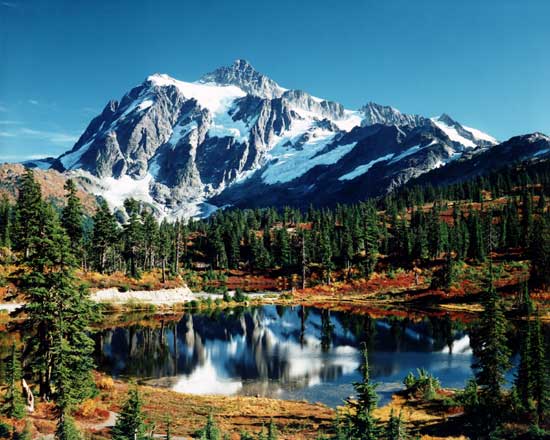
What is it about mountains? Have you ever wondered why humans have stood in awe of these geological wonders since the beginning of time? In my experience, there has been nothing else in nature that can take my breath away like a beautiful, powerful mountain range rising miles above the surroundings. Nothing else in nature has made my jaw drop, heart race, or head spin like one of these magnificent giants.

It is interesting that for most peoples of the world mountains have been regarded as sacred, holy, divine, mysterious, and have been customary places of worship, meditation, or other religious ceremonies and rituals. I don’t believe this is a coincidence. I think God intentionally set mountains up as places upon which we can feel close to him and feel his incredible power.

It was upon a mountain that God place the ark and showed Noah the rainbow.

It was upon a mountain that God tested Abraham’s faith in offering his son, Isaac.

It was upon a mountain that God called out to Moses from the burning bush.

It was upon a mountain that God gave Moses the Ten Commandments and the rest of the law.

It was upon a mountain that God allowed Moses to look upon the promised land, and it was upon that mountain that Moses breathed his last.

It was upon a mountain that the holy city, Jerusalem, was built.

It was upon a mountain that Elijah proved his God to be more powerful than the prophets of Baal.

It was upon a mountain that God spoke to Elijah in a “still, small voice.”

It was upon a mountain that Jesus often went by himself and prayed.

It was upon a mountain that Jesus was transfigured into his glorious form.

It was upon a mountain that Jesus wept and prayed for Jerusalem and her inhabitants.

It was upon a mountain that Jesus was crucified.

It was upon a mountain that Jesus’ disciples watched him ascend to heaven.

It is upon a mountain that we will one day assemble around the throne of God.

Mountians


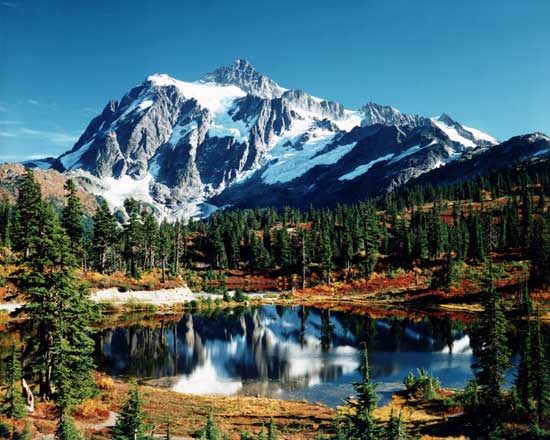
What is it about mountains? Have you ever wondered why humans have stood in awe of these geological wonders since the beginning of time? In my experience, there has been nothing else in nature that can take my breath away like a beautiful, powerful mountain range rising miles above the surroundings. Nothing else in nature has made my jaw drop, heart race, or head spin like one of these magnificent giants.

It is interesting that for most peoples of the world mountains have been regarded as sacred, holy, divine, mysterious, and have been customary places of worship, meditation, or other religious ceremonies and rituals. I don’t believe this is a coincidence. I think God intentionally set mountains up as places upon which we can feel close to him and feel his incredible power.

It was upon a mountain that God place the ark and showed Noah the rainbow.

It was upon a mountain that God tested Abraham’s faith in offering his son, Isaac.

It was upon a mountain that God called out to Moses from the burning bush.

It was upon a mountain that God gave Moses the Ten Commandments and the rest of the law.

It was upon a mountain that God allowed Moses to look upon the promised land, and it was upon that mountain that Moses breathed his last.

It was upon a mountain that the holy city, Jerusalem, was built.

It was upon a mountain that Elijah proved his God to be more powerful than the prophets of Baal.

It was upon a mountain that God spoke to Elijah in a “still, small voice.”

It was upon a mountain that Jesus often went by himself and prayed.

It was upon a mountain that Jesus was transfigured into his glorious form.

It was upon a mountain that Jesus wept and prayed for Jerusalem and her inhabitants.

It was upon a mountain that Jesus was crucified.

It was upon a mountain that Jesus’ disciples watched him ascend to heaven.

It is upon a mountain that we will one day assemble around the throne of God.

Quick Letter from God (from Psalm 139)

My dearest child,

I have searched your heart, and I know you. I know when you sit down and when you stand back up. I understand your thoughts even though you may feel like I am too far above you. I care about the paths you choose in life, and I want you to know that it is OK to rest every once in a while. I know you better than you know yourself, and I know what you need. Even before you speak I know what you are going to say. I know everything that is on your heart, and you don’t have to be afraid to say it.

Stop worrying about where you are going in life because I’m watching your back and leading you by the hand. You can’t possibly comprehend everything I have in store for you, and that’s OK because I know what I’m doing. Trust me.

I just want to reassure you that I AM here for you. There is nowhere you can go that my Spirit is not. You cannot outrun me or leave my presence. I AM always with you. If you go up into the sky, even outer space, I AM here. If you go down into the deepest caves, I AM here. When you face the morning sun, I AM here. If you live on an island out in the middle of the ocean, I AM here. Anywhere you go I AM leading you, and my right hand is supporting you.

No place is too “ungodly” for me. If you feel like darkness is closing in around you and your light is being snuffed out, don’t give up! Utter darkness to you is still bright for me. I can see through darkness for I AM the light. I AM the one who spoke light into darkness, and I can do the same wherever you go.

With all the love that I possess,
Father God
Jesus Christ
Holy Spirit

Quick Letter from God (from Psalm 139)

My dearest child,

I have searched your heart, and I know you. I know when you sit down and when you stand back up. I understand your thoughts even though you may feel like I am too far above you. I care about the paths you choose in life, and I want you to know that it is OK to rest every once in a while. I know you better than you know yourself, and I know what you need. Even before you speak I know what you are going to say. I know everything that is on your heart, and you don’t have to be afraid to say it.

Stop worrying about where you are going in life because I’m watching your back and leading you by the hand. You can’t possibly comprehend everything I have in store for you, and that’s OK because I know what I’m doing. Trust me.

I just want to reassure you that I AM here for you. There is nowhere you can go that my Spirit is not. You cannot outrun me or leave my presence. I AM always with you. If you go up into the sky, even outer space, I AM here. If you go down into the deepest caves, I AM here. When you face the morning sun, I AM here. If you live on an island out in the middle of the ocean, I AM here. Anywhere you go I AM leading you, and my right hand is supporting you.

No place is too “ungodly” for me. If you feel like darkness is closing in around you and your light is being snuffed out, don’t give up! Utter darkness to you is still bright for me. I can see through darkness for I AM the light. I AM the one who spoke light into darkness, and I can do the same wherever you go.

With all the love that I possess,
Father God
Jesus Christ
Holy Spirit

The Hungering and Thirsting

Jesus answered, “Everyone who drinks this water will be thirsty again, but those who drink the water I give them will never thirst. Indeed, the water I give them will become in them a spring of water welling up to eternal life.” John 4:13-14

“My food,” said Jesus, “is to do the will of him who sent me and to finish his work.” John 4:34

As the deer pants for streams of water,
so my soul pants for you, my God.” Psalm 42:1

“Taste and see that the LORD is good…” Psalm 34:8

Have you ever wanted something so badly, it seemed like you would do anything to get it? What happened when you finally got it? I think of a child in November walking through the toy department pointing out to his parents all the new toys he wants for Christmas. Yet those objects that brought so much joy and excitement on December 25 tend to lose some appeal by mid January. They are old toys. They have been played with, now it is time to move on.

What about that prize that is more precious and meaningful than all the others? I was privileged enough to have met the love of my life while in high school. When we first started dating, everything was new and exciting. We both tried our best to impress the other in hopes of making the other fall in love. Those were fun times. But if you ask me now, over four years later, if I feel the same way, the answer would be a definite “no.” I feel better than I did back then. I love her more than I thought possible while in high school.

I am still excited about seeing her. I miss her dearly when I go for a day or more without being around her. I still try to impress her and make her love me, even though I already won her. I am both filled and yet desiring to be filled with her and her love. Our feelings for each other grow stronger with every moment we spend together, yet the desire to experience each other also grows more intense every time we part ways.

I believe this is how God wants our relationship to be with him. The brilliant author A.W. Tozer words it this way, “To have found God and still to pursue him is the soul’s paradox of love.” (Pursuit of God)

St. Bernard also states in lyrical form, as quoted by Tozer,

“We taste Thee, O Thou Living Bread,
And long to feast upon Thee still:
We drink of Thee, the Fountainhead
And thirst our souls from Thee to fill.”

Do you long for a relationship with the Sovereign Lord and Creator? I sure hope so. He desires our companionship so incredibly that he sent his only Son down to this earth as a sacrifice in our behalf so that by believing in Him we might have opportunity to live with him eternally in heaven. Relationship is at the heart of the gospel. Following Christ is intended to parallel a relationship between the bridegroom and his bride, and there is nothing mechanical or formulaic about a love story.

In his first epistle, Peter indicates that it is impossible to mature in our saving relationship with Christ until we have tasted the goodness of the Lord. So please, take a bite. Have a sip. You’ll want more, I promise.

Are you hungry?

—————-
Now playing: Steadman – Come Alive
via FoxyTunes

The Hungering and Thirsting

Jesus answered, “Everyone who drinks this water will be thirsty again, but those who drink the water I give them will never thirst. Indeed, the water I give them will become in them a spring of water welling up to eternal life.” John 4:13-14

“My food,” said Jesus, “is to do the will of him who sent me and to finish his work.” John 4:34

As the deer pants for streams of water,
so my soul pants for you, my God.” Psalm 42:1

“Taste and see that the LORD is good…” Psalm 34:8

Have you ever wanted something so badly, it seemed like you would do anything to get it? What happened when you finally got it? I think of a child in November walking through the toy department pointing out to his parents all the new toys he wants for Christmas. Yet those objects that brought so much joy and excitement on December 25 tend to lose some appeal by mid January. They are old toys. They have been played with, now it is time to move on.

What about that prize that is more precious and meaningful than all the others? I was privileged enough to have met the love of my life while in high school. When we first started dating, everything was new and exciting. We both tried our best to impress the other in hopes of making the other fall in love. Those were fun times. But if you ask me now, over four years later, if I feel the same way, the answer would be a definite “no.” I feel better than I did back then. I love her more than I thought possible while in high school.

I am still excited about seeing her. I miss her dearly when I go for a day or more without being around her. I still try to impress her and make her love me, even though I already won her. I am both filled and yet desiring to be filled with her and her love. Our feelings for each other grow stronger with every moment we spend together, yet the desire to experience each other also grows more intense every time we part ways.

I believe this is how God wants our relationship to be with him. The brilliant author A.W. Tozer words it this way, “To have found God and still to pursue him is the soul’s paradox of love.” (Pursuit of God)

St. Bernard also states in lyrical form, as quoted by Tozer,

“We taste Thee, O Thou Living Bread,
And long to feast upon Thee still:
We drink of Thee, the Fountainhead
And thirst our souls from Thee to fill.”

Do you long for a relationship with the Sovereign Lord and Creator? I sure hope so. He desires our companionship so incredibly that he sent his only Son down to this earth as a sacrifice in our behalf so that by believing in Him we might have opportunity to live with him eternally in heaven. Relationship is at the heart of the gospel. Following Christ is intended to parallel a relationship between the bridegroom and his bride, and there is nothing mechanical or formulaic about a love story.

In his first epistle, Peter indicates that it is impossible to mature in our saving relationship with Christ until we have tasted the goodness of the Lord. So please, take a bite. Have a sip. You’ll want more, I promise.

Are you hungry?

—————-
Now playing: Steadman – Come Alive
via FoxyTunes

The Meek


Humility is strong–not bold; quiet–not speechless; sure–not arrogant.
Estelle Smith

—————-

Saturday was the big day. Charlie was finally turning seven years old. Anticipation increased as each day drew him nearer to that wonderful age. He would finally be able to help his dad with the farm work and do big-boy jobs, like milking the cows, branding the calves, building fences (with some help of course). He just knew that he would grow up to be big and strong like his dad.

Charlie had spent hours watching his dad chop firewood, work on cars, plow fields, bail hay, and all the other things that real men do. Just the thought of actually being able to help with all this made him squirm in excitement.

Saturday came and went. Charlie was finally seven. His parents had assured him that he would be out on the farm working with his father early Monday morning. He could hardly wait. After Sunday church, Charlie spent most of the day getting ready for the next morning. He knew exactly which “dirty-play” clothes he was going to wear, and his cowboy boots were right next to his bed. He was ready.

The sun hadn’t even come up when his mom woke him up for breakfast. He eagerly got out of bed, put on his clothes and boots, and headed downstairs to begin this new part of his life.

After eating his eggs, bacon, and biscuits, his dad took him out to the barnyard to show him how to milk the cows. Next came feeding the chickens and goats. Then chopping up some firewood (the heavy axe was awkward in Charlie’s seven-year-old arms). The day went on and so did the work.

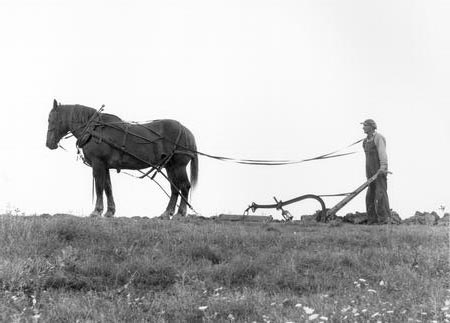
Charlie had had just about all his little body could handle for his first day’s work, but his dad had some more to do. Determined not to disappoint his dad, Charlie pressed on. The time came to yoke up the work horse to the plow and prepare the fields. His dad allowed Charlie to walk along beside him as they went up and down, row by row.

As they plowed, Charlie began talking about what he and the others had discussed in Sunday school the previous morning.

“Our teacher is teaching us about the beatitudes, and she gave us some homework for next week. We’re supposed to think of an example of meekness.”

“Now that sounds like a good thing for you to do,” his dad replied. “What do you think so far?”

“I don’t know. I didn’t really understand what it means to be meek. She tried to explain it, but I didn’t get it.”

“Well, son, look right in front of you. This horse is a great example of meekness. He used to be a wild horse. He wouldn’t think twice about trampling anyone who got near to him. But after a while, I was able to tame him, bring him under control. Now he is even stronger than he was before. If he wanted to, he could trample me right now, and I’m no match for his strength. But I know he is not going to because he has become tame. He’s gentle enough for you to pet and feed. He’s extremely powerful, but his power is under control. That’s what it means to be meek. Does that help explain it for you?”

“Wow, dad. Thanks a lot. I think I know what I’m going to tell my teacher next Sunday.”

_______

The rest of the week was spent doing the same kind of chores around the farm. Charlie could feel his seven-year-old muscles getting stronger already.

The next Sunday rolled around, and as Charlie was sitting in Sunday school, his teacher asked the class for the results of their assignment. Charlie’s was the first hand to shoot up.

“Yes, Charlie. You look eager to share with us. What did you come up with for an example of meekness?”

Charlie looked proud and confident as he answered, “My dad.”

—————-
Now playing: Queen – Somebody to Love
via FoxyTunes

The Meek


Humility is strong–not bold; quiet–not speechless; sure–not arrogant.
Estelle Smith

—————-

Saturday was the big day. Charlie was finally turning seven years old. Anticipation increased as each day drew him nearer to that wonderful age. He would finally be able to help his dad with the farm work and do big-boy jobs, like milking the cows, branding the calves, building fences (with some help of course). He just knew that he would grow up to be big and strong like his dad.

Charlie had spent hours watching his dad chop firewood, work on cars, plow fields, bail hay, and all the other things that real men do. Just the thought of actually being able to help with all this made him squirm in excitement.

Saturday came and went. Charlie was finally seven. His parents had assured him that he would be out on the farm working with his father early Monday morning. He could hardly wait. After Sunday church, Charlie spent most of the day getting ready for the next morning. He knew exactly which “dirty-play” clothes he was going to wear, and his cowboy boots were right next to his bed. He was ready.

The sun hadn’t even come up when his mom woke him up for breakfast. He eagerly got out of bed, put on his clothes and boots, and headed downstairs to begin this new part of his life.

After eating his eggs, bacon, and biscuits, his dad took him out to the barnyard to show him how to milk the cows. Next came feeding the chickens and goats. Then chopping up some firewood (the heavy axe was awkward in Charlie’s seven-year-old arms). The day went on and so did the work.

Charlie had had just about all his little body could handle for his first day’s work, but his dad had some more to do. Determined not to disappoint his dad, Charlie pressed on. The time came to yoke up the work horse to the plow and prepare the fields. His dad allowed Charlie to walk along beside him as they went up and down, row by row.

As they plowed, Charlie began talking about what he and the others had discussed in Sunday school the previous morning.

“Our teacher is teaching us about the beatitudes, and she gave us some homework for next week. We’re supposed to think of an example of meekness.”

“Now that sounds like a good thing for you to do,” his dad replied. “What do you think so far?”

“I don’t know. I didn’t really understand what it means to be meek. She tried to explain it, but I didn’t get it.”

“Well, son, look right in front of you. This horse is a great example of meekness. He used to be a wild horse. He wouldn’t think twice about trampling anyone who got near to him. But after a while, I was able to tame him, bring him under control. Now he is even stronger than he was before. If he wanted to, he could trample me right now, and I’m no match for his strength. But I know he is not going to because he has become tame. He’s gentle enough for you to pet and feed. He’s extremely powerful, but his power is under control. That’s what it means to be meek. Does that help explain it for you?”

“Wow, dad. Thanks a lot. I think I know what I’m going to tell my teacher next Sunday.”

_______

The rest of the week was spent doing the same kind of chores around the farm. Charlie could feel his seven-year-old muscles getting stronger already.

The next Sunday rolled around, and as Charlie was sitting in Sunday school, his teacher asked the class for the results of their assignment. Charlie’s was the first hand to shoot up.

“Yes, Charlie. You look eager to share with us. What did you come up with for an example of meekness?”

Charlie looked proud and confident as he answered, “My dad.”

—————-
Now playing: Queen – Somebody to Love
via FoxyTunes

Those Who Mourn, part 2: The Comfort

“Our present joys are sweeter for past pain;
To Love and Heaven by suffering we attain.”
– George Granville, The British Enchanters
Act V, scene 2
_______________________

God, you are awesome!
I will always remember your Power and Might
You are worthy of praise because you are holy.
You are holy and just, yet you are gracious
Because you have heard me.
Thank you.

I now have the strength I need to yield all to you.
You have given me the boldness I need
As well as the opportunities to be bold for you.

You have heard my cries and came running
Like a father to his newborn son.

I can never repay you for your gracious love
Yet I will strive my hardest to try.
Your name will be praised everywhere I go
Whether eating dinner with my family,
In the congregation of believers,
Or even down the halls of my school.

Everyone who sees me will know that I am different
And that doesn’t scare me like it used to.
When they ask why, my answer is simple:
I am different because the God of the universe
Cares about me.

Everything I do, I will do to your glory
Everywhere I go, I will spread the good news about you
My life will be a life of worship to you
Because you are the God of the oppressed,
The outcast, the misfits, the ugly, and the underrated
Yet you are Lord of the wealthy,
The fortunate, the blessed. and the successful

You have answered my prayers
And have done incredibly more
Than all I could have asked or imagined.

Thank you for your power
Thank you for your comfort
Thank you for your love

Thank you for being God.

—————-