
 by
by What happens when our relationship with wealth gets out of whack—especially in church?
The Rich Kids We All Knew
Remember being a kid and knowing which families had “made it”? Maybe it was the house with the U-shaped driveway (fancy!), the yellow Schwan’s delivery truck in the neighborhood, or that friend whose fridge dispensed ice AND water. For some of us, wealth meant indoor plumbing or electricity. For others, it was name-brand clothes from the actual mall—not the thrift store.
But as Bob Marley famously said, “Some people are so poor that all they have is money.” Growing up means realizing that behind those facades of wealth often lies emptiness. The big house nobody has time to enjoy. The fancy clothes covering broken hearts. The convenient meals replacing family dinners around the table.
When Power Reveals What’s Already There
We’ve all heard that “power corrupts,” but what if power doesn’t corrupt—it reveals? Like Captain America’s super soldier serum, wealth and power amplify whatever’s already in our hearts. They don’t create corruption; they expose it.
This becomes especially dangerous when money and power infiltrate the church. Two scenarios play out repeatedly:
Cash for Clout: Members give large donations but want recognition, status, or to appear more sacrificial than they really are. Churches with donor plaques on every wall know this temptation well.
Paying for Power: Big givers expect special treatment, want their complaints prioritized, or believe their financial contributions earn them decision-making authority. “Pastor, I pay your salary” becomes their trump card.
When these dynamics take root, people get hurt and the gospel itself is diminished.
Three Biblical Examples
Ananias and Sapphira: The Big Lie (Acts 5:1-11)
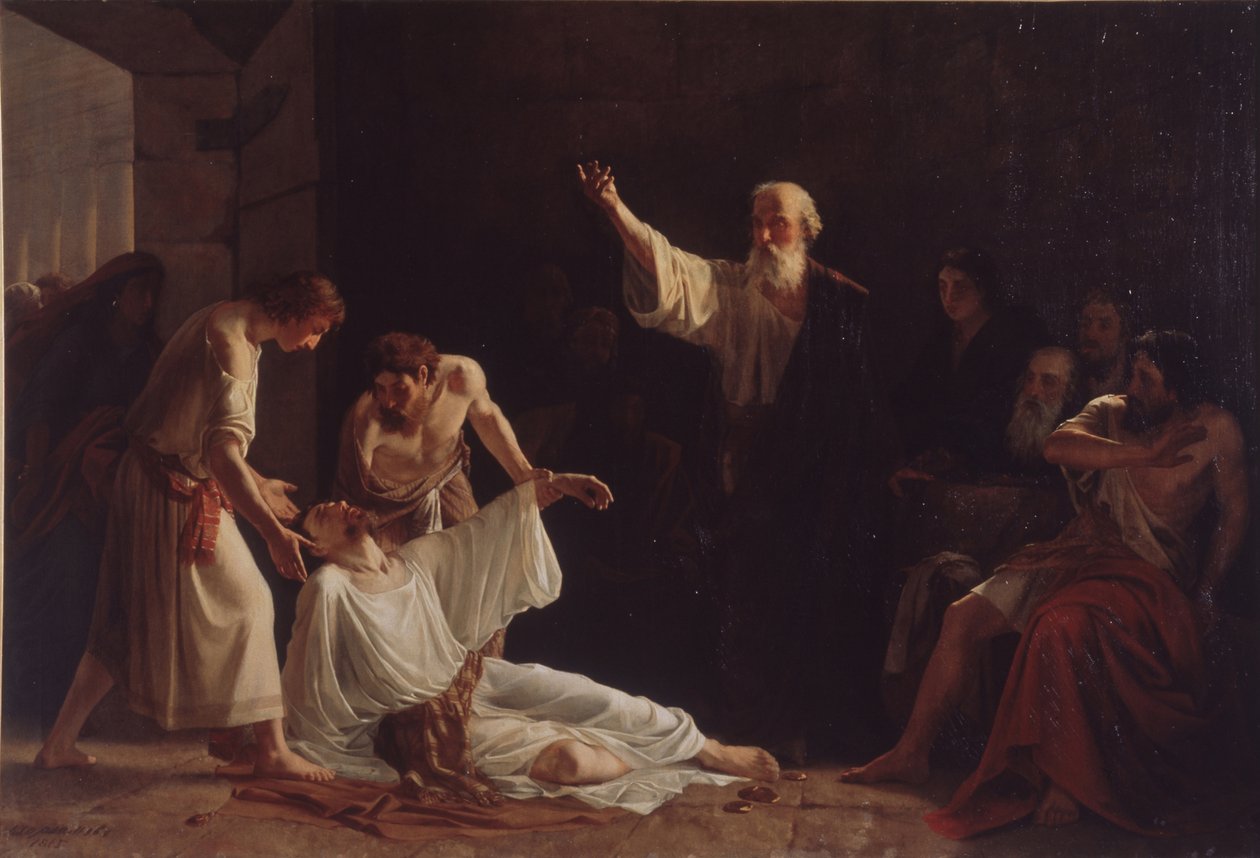
This married couple sold property and gave part of the proceeds to the church—but lied about giving it all. Peter confronted them: “You haven’t just lied to people, but to God.” Both dropped dead on the spot.
Harsh? Absolutely. But here’s what made this special: they were embezzling from God while trying to look generous. Peter made it clear—they didn’t have to sell the property or give anything. But once they chose to give, lying about it was robbing God to boost their own reputation.
The word “kept back” is the same term used for Achan’s sin in Joshua 7, when he secretly took treasure from Jericho and brought defeat on all of Israel. When we lie to God about our giving, we’re not taking His holiness seriously.
Simon the Sorcerer: Trying to Buy God’s Power (Acts 8:9-24)

Simon had made his living as a street magician, amazing crowds with tricks while claiming to be “the Great Power of God.” When the gospel came to Samaria, even Simon believed and was baptized.
But old habits die hard. When Simon saw the apostles laying hands on people to receive the Holy Spirit, he offered them money: “Give me this power too!”
Peter’s response was swift: “May your silver be destroyed with you because you thought you could obtain the gift of God with money… your heart is not right before God.”
Simon’s heart was still operating on the old system—pay money, get power. Just because he’d been baptized didn’t mean his heart transformation was complete.
Zacchaeus: How It Should Be Done (Luke 19:1-10)
Here’s the happy ending. Zacchaeus was a chief tax collector—wealthy and powerful through a corrupt system. But when Jesus invited himself to dinner, everything changed from the inside out.
Zacchaeus didn’t give away his wealth to earn salvation. He gave it away because salvation had already transformed his heart: “I’ll give half my possessions to the poor, and if I’ve cheated anyone, I’ll pay back four times as much.”
Jesus declared, “Today salvation has come to this house.” True heart change always shows itself in how we handle our wealth and power.
The Heart Check
Jesus said, “Where your treasure is, there your heart will be also.” Our relationship with money reveals the condition of our hearts. What we think money can do for us is often what God wants to do for us instead.
James reminds us that God often chooses “the poor in this world to be rich in faith.” It’s not a sin to be wealthy, but money and power are ancient temptations that can drag our hearts away from God and others.
Practical Dos and Don’ts
Don’t:
- Flaunt your wealth or make a show of giving
- Expect special treatment because you give more
- Hold back what you know you should give (James calls this sin)
Do:
- Give regularly and consistently when possible
- Keep your giving between you and God
- Trust God and church leadership with offerings
- Keep your heart and attitude in check—ask yourself why you’re giving and examine your motives
The Ultimate Heart Surgery
If money and power have corrupted your heart, Jesus specializes in heart surgery. He can cleanse and restore what’s been damaged by greed, pride, or the pursuit of status.
The question isn’t whether you have wealth or power—it’s whether wealth and power have you. Where is your treasure? Because wherever it is, that’s where your heart will be also.
Want to support kingdom work without falling into these traps? Start by examining your motives. Give regularly, give quietly, and give in a way that honors God’s holiness rather than building your own reputation. Remember: we’re not giving God anything that wasn’t already His to begin with.
LISTEN TO THE FULL SERMON HERE:
 Daniel N. Lee