Page 32 of 82

Discipleship Training | SELF-CONTROL

For this very reason, make every effort to add to your faith goodness; and to goodness, knowledge; and to knowledge, self-control; and to self-control, perseverance; and to perseverance, godliness; and to godliness, mutual affection; and to mutual affection, love. (2 Peter 1:5-7)

So far in this series we have taken a look at faith, goodness, and knowledge. You believe in God the Father, Jesus Christ the Son, and the Holy Spirit. You are changing your attitudes and behaviors to be good and do good. You are growing in your knowledge of God and the Holy Scriptures.

Well done! Keep it up!

Now get ready for a real challenge: Self-Control.


Why is self-control (or willpower) so difficult?

I can think of a few reasons. One reason is that we tend to take the easy way out. We go with the path of least resistance. It’s easier to stay home than it is to go work out. It’s easier to throw a frozen pizza in the oven than cook a nutritious meal. It’s easier to sleep in on Sunday than it is to get up and go to worship. Humans are prone to take the path of least resistance. We don’t like challenges. We like things to be simple, easy, uncomplicated. This leads to complacency or even apathy, not success and health.

Another reason self-control is so difficult is that we are masters at coming up with excuses. We tend to blame others for our bad choices or reactions. We claim that someone “made us” do something or say something that we know we shouldn’t. But there is no one who has full control over you. Every choice you make comes from the inside.

The last big reason that I’ll mention (there are many more reasons!) is related to the first point. Self-control is also about habits. Humans are great at forming habits – particularly bad habits. Habits serve us well much of the time. They allow us to act without conscious decision making. There are certain behaviors that become hardwired into our brain, which frees up a lot of extra brain power to be devoted to other processes. Here’s a great video explaining the power of habits:

Why is self-control so important?

But I also believe that self-control is one of the most underrated virtues in our society these days. Even though study after study has shown the importance of self-control, willpower, and delayed gratification in achieving success, society tends to place an emphasis on “telling it like it is” and reacting rather than responding. Self-control is not fun or entertaining. But it’s important for many reasons. Let’s look at some scriptures:

Better a patient person than a warrior, one with self-control than one who takes a city. (Proverbs 16:32)
Like a city whose walls are broken through is a person who lacks self-control. (Proverbs 25:28)

Self-control goes hand in hand with wisdom and maturity. It’s about keeping your eye on the long-term success rather than instant gratification. It’s about leaning to say YES to the right things and saying NO to everything else. It’s about judging what and whom to let into your life.

But the fruit of the Spirit is love, joy, peace, forbearance, kindness, goodness, faithfulness, gentleness and self-control. Against such things there is no law. (Galatians 5:22-23)

Self-control is also a fruit of the Spirit, evidence that the Spirit of God is dwelling inside you. When you follow Christ, God gives you his Spirit to guide you and strengthen you. Paul says that the fruit of the Spirit in your life include all these virtues – including self-control. The Spirit in your life should be evident in your ability to control your emotions, your reactions, your patterns of behavior, your attitude, etc.

Does that mean it will always be easy as you follow Christ? Nope!

Just see if any of this sounds familiar:

But I need something more! For if I know the law but still can’t keep it, and if the power of sin within me keeps sabotaging my best intentions, I obviously need help! I realize that I don’t have what it takes. I can will it, but I can’t do it. I decide to do good, but I don’t really do it; I decide not to do bad, but then I do it anyway. My decisions, such as they are, don’t result in actions. Something has gone wrong deep within me and gets the better of me every time.
It happens so regularly that it’s predictable. The moment I decide to do good, sin is there to trip me up. I truly delight in God’s commands, but it’s pretty obvious that not all of me joins in that delight. Parts of me covertly rebel, and just when I least expect it, they take charge.
I’ve tried everything and nothing helps. I’m at the end of my rope. Is there no one who can do anything for me? Isn’t that the real question?
The answer, thank God, is that Jesus Christ can and does. He acted to set things right in this life of contradictions where I want to serve God with all my heart and mind, but am pulled by the influence of sin to do something totally different.
(Romans 7:17-25 | The Message)

You want to do good, but you don’t. You try not to fall back into your bad habits, but you find yourself stuck in the same cycles and patterns again and again. It happens to everyone. We all know what it’s like. But thank God for what he has done through Christ Jesus and the Holy Spirit.

6 steps to building self-control

So how can we add and increase our level of self-control? After doing some research, it’s interesting how well the studies line up with principles we see in Scripture. Here are six steps you can take to increase your self-control/willpower.

Step 0: Be Brutally Honest

Ok, before we begin, we must be painfully honest with ourselves and with God. God already knows whatever it is you are struggling with. But often we are unaware of our own blindspots or bad habits. Or we claim that it’s not really that bad. Let’s take the blinders off and see ourselves, flaws and all.

What is at least one area in your life that you need more self-control over? I’m pretty sure everyone has at least one thing – lying, cheating, sneaking out, watching porn, overeating, gossiping, arguing, going to far with your boyfriend/girlfriend, phone addiction, video game addiction, anger, the list goes on. Name it. That’s the starting point for taking control over it. Until you name it, that thing actually has control over you.

Step 1: Pray About It

When Jesus was teaching his disciples to pray, he gave them what’s known as The Lord’s Prayer. The final couplet in that prayer is this:

And lead us not into temptation, but deliver us from evil. (Matthew 6:13)

What is that temptation in your life? Pray about it. What evil is trying to drag you away from God? Pray about it. Let God know that you are aware of the evil and temptation around you. Realize that in following him, God will not lead you astray. God is the good shepherd (Psalm 23) and will guide you where you need to go.

Step 2: Out of Sight, Out of Mind

You may be familiar with “The Marshmallow Test.” It was an experiment to test self-control, willpower, and delayed gratification among children. The experimenters would leave a child alone in a room for several minutes with a large marshmallow on the table. If the child did not eat the marshmallow, then they would receive TWO marshmallows when the experimenter returned.

The children who had the hardest time with it were those who stared at the marshmallow the whole time. They couldn’t look away. They kept their eyes on the marshmallow and ultimately gave into temptation. The children who faired the best were those who looked away or found some way to keep themselves otherwise preoccupied.

Look at what Paul tell Timothy, a young preacher:

Flee the evil desires of youth and pursue righteousness, faith, love and peace, along with those who call on the Lord out of a pure heart. (2 Timothy 2:2)

Many times we want to know where the line is so we can get as close to it without crossing it. But if we want to get serious about developing self-control, then we should be concerned about turning our backs on the line and going the other way. “Flee” from whatever temptation is holding you back.

Are your friends constantly dragging you down? You can find new friends. Is that ice cream just too tempting in the evenings? Stop buying ice cream to keep in the house. Do you find yourself looking at inappropriate websites at night alone in your room? Don’t use your computer behind closed doors. Are you Snapchatting at all hours of the night when you should be sleeping? Turn your phone off and put it in a drawer in the kitchen.

Take control of your surroundings. Make things easier on yourself!

Step 3: Remove AND Replace

Addiction counselors will emphasize this need. It’s not enough just to cut something bad out of your life. You have to replace it with something better, more positive, or at least not as destructive. A lot of former smokers become constant gum-chewers. Breaking a habit becomes more effective if it’s replaced with another habit.

Paul was even aware of this:

Anyone who has been stealing must steal no longer, but must work, doing something useful with their own hands, that they may have something to share with those in need. (Ephesians 4:28)
Do not get drunk on wine, which leads to debauchery. Instead, be filled with the Spirit (Ephesians 5:18)

Don’t just stop stealing – find something positive to do with your hands. Don’t just stop getting drunk – fill your life with the Holy Spirit. Remove AND replace. Stop looking at porn and start reading more books. Stop eating all that junk food and start drinking herbal tea in the evenings. Stop hanging out with those bad influences and start spending more time with your fellow Christians. Stop gossiping and start encouraging. Stop spending hours on your phone and start spending more time talking with your family.

Step 4: Plan Ahead

Temptations are going to come. That’s a fact of life. You will find yourself in situations where your self-control and willpower are put to the test. So have a plan. As the saying goes, “Failing to plan is planning to fail.”

I can’t help but think of the conversation God has with Cain in Genesis 4. Cain had become jealous and angry at his brother Able. Cain would then go on to murder Able, but it’s interesting to see what advice God gives Cain before that fateful act:

If you do what is right, will you not be accepted? But if you do not do what is right, sin is crouching at your door; it desires to have you, but you must rule over it. (Genesis 4:7)

Cain failed to gain control over his anger and his actions. God tried to get Cain to change his plans, but he didn’t. Temptation reared its ugly head, and Cain totally gave in to the sin.

It doesn’t have to be that way for you. Make if/then plans. For example, if they bring out alcohol at the party, then I will leave immediately. If my sibling is mean to me, then I will go to mom and dad rather than fighting back. If I’ve had a stressful day, then I will get some exercise or release in some way other than those websites.

Step 5: Accountability

This is one we may have the hardest time with. We don’t want anyone else to know what our struggles are! We don’t want to tell, because we may feel judged or looked down on. But I can guarantee you that your closest friends will understand. They may be going through the same kind of situation.

The reason Alcoholics Anonymous is so effective is that they have a group to open up with and they have an older sponsor who is able to walk them through the process of recovery. Being answerable to someone else is an important step in overcoming bad behaviors.

Brothers and sisters, if someone is caught in a sin, you who live by the Spirit should restore that person gently. But watch yourselves, or you also may be tempted. Carry each other’s burdens, and in this way you will fulfill the law of Christ. (Galatians 6:1-2)

This is what the church is for. This is why we need each other. We can keep each other in check and on the right path. We can help each other when we mess up. That’s what love is all about.

But there are also Apps you can get to help you, too. If you’re needing help with nutrition and exercise, MyFitnessPal is a great free app to help get things under control. If you need help managing your screen time and phone usage, Moment (iOS) and Digital Detach (Android) are two good options to track and limit your screen time. If you want to get in the habit of reading your Bible and praying more, the YouVersion Bible App has tons of great resources and can send you notifications throughout your day. Whatever your struggle, there’s probably an app for that.

But don’t rely on Apps alone. You need to have other trusted friends and mentors in your life. And if things are serious enough, don’t be afraid to seek professional help. There are some problems that are two big for and app or even for your best friend. Mental health professionals are a great resource in overcoming addictions, eating disorders, or other self-destructive patterns.

Step 6: Practice

Think of your willpower as a muscle. The more you use it, the stronger it grows. The less you exercise it, the more atrophied it becomes.

Practice self-control by beginning with the little things. I’m not going to have dessert after dinner. I’m only going to play one hour of video games. I’m going to spend 30 more minutes studying and 30 minutes less on my phone. Begin with small goals and work your way up.

Is temptation still going to be there? Yes. Are you still going to mess up? Yes! So have some grace with yourself. Learn from your mistakes and move forward. I love what Paul says:

No temptation has overtaken you except what is common to mankind. And God is faithful; he will not let you be tempted beyond what you can bear. But when you are tempted, he will also provide a way out so that you can endure it. (1 Corinthians 10:13)

Your temptation and struggle is not unique to you. Others have been there and done that. But God is faithful (one of my favorite lines in the whole Bible). When it comes to temptation there is always a way out. Always. There is always a power button. There is always another channel to watch. There is always a ride home. There is always the possibility of saying NO. If we are praying for God to “lead us not into temptation,” then we have to keep our eyes open for the way out.

It may not be easy at first, but it will be worth it. The more you practice, the stronger your willpower can become.

This is a lot to take in. It can seem really overwhelming to start. But remember that you are not alone in your journey and your struggle. If you add self-control to your life, you will find joy and success in the long term. Which we will pick up with next week when we look at PERSEVERANCE.


Discipleship Training | KNOWLEDGE

For this very reason, make every effort to add to your faith goodness; and to goodness, knowledge; and to knowledge, self-control; and to self-control, perseverance; and to perseverance, godliness; and to godliness, mutual affection; and to mutual affection, love. (2 Peter 1:5-7)

As we work our way though this list of Christian virtues, we are considering how our discipleship is like an exercise program. If you want to become a better athlete, it is important to train your entire body, not just one specific muscle group. That’s why multi-sport athletes are typically more fit and more athletic than single sport athletes.

When it comes to our faith, many of us may be content to “get saved” and then “do good” occasionally. But if we stop there, then that’s like going to the gym and only ever doing bench presses. Yes, your arms, chest, and shoulders will get stronger. But you are neglecting the whole rest of your body.

You believe in God. You believe that Christ Jesus is his Son. You were baptized and received the Holy Spirit in your life. Now you are even doing good for the sake of the kingdom. That’s awesome! That’s a great starting point.

But now it’s time to involve your mind.


WHATCHYA THINKIN’ ABOUT?


Peter tells us to add to our goodness knowledge. This is where a lot of Christians check out. It’s at this point that many life-long Christians will throw in the towel and leave the hard study of Scripture to the professionals.

And I get that to some extent. If it’s not your area of expertise, it can be really challenging to know where to start. You can’t really study the Bible if you don’t know HOW to study the Bible. We’ll address that a little later.

But what drives me nuts is when people stop even trying to learn. Increasing in the knowledge of God, knowing Christ, and gaining wisdom are life-long pursuits! You faith must include your heart (emotions), your hands (actions), AND your head (knowledge). To emphasize one to the neglect of the other(s) is to be out of balance in your faith and out of sync with God.

Knowledge is defined as:

1. facts, information, and skills acquired by a person through experience or education
2. awareness or familiarity gained by experience of a fact or situation

I believe that as Christians there should be certain things we should want to know more than anything else. Paul and the prophet Jeremiah sum up this desire in the following passages:

I want to know Christ—yes, to know the power of his resurrection and participation in his sufferings, becoming like him in his death, and so, somehow, attaining to the resurrection from the dead. (Philippians 3:10-11)

I pray that out of his glorious riches he may strengthen you with power through his Spirit in your inner being, so that Christ may dwell in your hearts through faith. And I pray that you, being rooted and established in love, may have power, together with all the Lord’s holy people, to grasp how wide and long and high and deep is the love of Christ, and to know this love that surpasses knowledge—that you may be filled to the measure of all the fullness of God. (Ephesians 3:16-19)

For I resolved to know nothing while I was with you except Jesus Christ and him crucified. (1 Corinthians 2:2)

“This is the covenant I will make with the people of Israel
    after that time,” declares the Lord.
“I will put my law in their minds
    and write it on their hearts.
I will be their God,
    and they will be my people.
No longer will they teach their neighbor,
    or say to one another, ‘Know the Lord,’
because they will all know me,
    from the least of them to the greatest,”
declares the Lord.
“For I will forgive their wickedness
    and will remember their sins no more.”
(Jeremiah 31:33-34)

 WITH ALL YOUR MIND


It really does amaze me how much emphasis Scripture places on knowledge, wisdom, understanding, and insight. There is a whole genre of writings in the Bible called “Wisdom Literature.” The ancient Rabbis placed a high importance on memorizing the Scriptures. Judaism and early Christianity were regarded as really “heady” religions.

I think Jesus is our greatest example of this. Jesus lived in the perfect center between the head, the heart, and the hands. Look at what Luke says about the young Jesus:

And Jesus grew in wisdom and stature, and in favor with God and man. (Luke 2:52)

Jesus grew mentally, physically, spiritually, and socially. Think about that – if Jesus grew mentally, so should we!

And it doesn’t stop there. Once when a man asked Jesus what he considered to be the greatest command in Scripture, Jesus responded:

‘Love the Lord your God with all your heart and with all your soul and with all your mind.’This is the first and greatest commandment. And the second is like it: ‘Love your neighbor as yourself.‘ (Matthew 22:37-39)

Love God with all your mind. What does that even mean? What does that look like? Your devotion to God must include your intellect. You shouldn’t check your brain at the door when you come to worship or when you go to youth group. Faith is more than just feelings. Faith is more than just actions. Faith is more than just an intellectual belief in something. Faith is the combination of all three.

And then in one of my favorite post-resurrection encounters, the resurrected Jesus is walking alongside a couple disciples heading back home after the Passover weekend. They don’t know it’s Jesus. They still think he’s dead and sealed in a tomb. But then Jesus goes on to explain to them why it had to happen the way it did.

And beginning with Moses and all the Prophets, he explained to them what was said in all the Scriptures concerning himself. (Luke 24:27)

Right after that, Jesus appeared to the rest of the disciples behind locked doors. They were afraid and didn’t know what to make of the events on that resurrection Sunday. He did the same with those disciples as he had done with the original two:

Then he opened their minds so they could understand the Scriptures. (Luke 24:45)

WE DON’T NEED NO EDUCATION

I always found the double-negative in that statement to be quite ironic. Because we do need education. Theology used to be hailed as the “Queen of the Sciences.” Galileo, Pascal, Newton, Copernicus, and countless other ground-breaking scientists were also men and women of faith. All Truth is God’s Truth. All Wisdom is God’s Wisdom.

So how do we get knowledge, wisdom, and understanding?

First, we need to rely on God who is the source of all Truth and Knowledge and Wisdom. Worship God, honor God, and seek after God. In doing so, he will give you what you need.

The fear of the Lord is the beginning of knowledge,
    but fools despise wisdom and instruction.
(Proverbs 1:7)

Second, we have to study what matters. The subject matter you learn in school is important. But the lessons you learn from Scripture are importanter.

Do your best to present yourself to God as one approved, a worker who does not need to be ashamed and who correctly handles the word of truth. (2 Timothy 2:15)

All Scripture is God-breathed and is useful for teaching, rebuking, correcting and training in righteousness, so that the servant of God may be thoroughly equipped for every good work. (2 Timothy 3:16-17)

Finally, I believe we need to teach each other. Knowledge of God is rarely found in isolation. The Bible was ALWAYS intended to be studies in community – so that you can each shed a new light on a passage, so that you can each share a bit of wisdom or understanding with the others. When we gather together as a body, we share the story of Christ among us and we reveal how God has been at work in our lives.

And honestly, what better way to learn than by song?

Let the message of Christ dwell among you richly as you teach and admonish one another with all wisdom through psalms, hymns, and songs from the Spirit, singing to God with gratitude in your hearts. (Colossians 3:16)

Some of the earliest recorded teachings of the church come to us in song/poetic form. Songs are the best way to teach each other and to reinforce what we have learned.

Strangely enough, a lot of what I’m trying to say is summed up really well by none other than Ashton Kutcher during his acceptance speech at the 2013 Kids Choice Awards:

SUBSCRIBE!


As we have done the last few weeks, I’m going to share with you a few ways you can use technology to help you in your search for knowledge. These are YouTube channels that I am subscribed to that help challenge me to learn and to grow. I hope you will find them as useful and encouraging as I have!

The Bible Project


Ten Minute Bible Hour


David Bowden


Jefferson Bethke


I Am Second

Discipleship Training | GOODNESS

For this very reason, make every effort to add to your faith goodness; and to goodness, knowledge; and to knowledge, self-control; and to self-control, perseverance; and to perseverance, godliness; and to godliness, mutual affection; and to mutual affection, love. (2 Peter 1:5-7)

We saw last time that FAITH is the starting point. Without faith, none of what follows really matters. But what happens after you believe?

It’s kind of like a person walking into the gym for the first time. If you’ve never been in a weight room before it can be overwhelming – all the machines and weights and fit people who are there all the time. You may not know what to do at all or how to use the dumbbells. If you don’t have someone to help guide you through, then you could end up frustrated or even injured.

That’s a good picture of discipleship. You may have come to faith. You may have been baptized. You may be on fire and ready to go. But…what now?

Peter tells us to add to our faith goodness. Let’s start with that.


OH MY GOODNESS


So what is goodness?

The Greeks actually held goodness to be among the highest characteristic a man could achieve. In fact, the word itself could also be translated as “virtue” or “moral excellence.” Goodness was “the sum of all desirable character qualities.”

But the concept of goodness in Scripture goes all the way back to Creation. In Genesis 1 and 2 God created the heavens and the earth. After each day of creation, God saw what he had made and declared “it is good.” Upon completing his creation with mankind, God said “it is very good.” Goodness, as used in Scripture, is the idea of being as one is intended to be, or fulfilling God’s purpose for one’s existence.

God created mankind to be his Image-bearers, to rule and govern and care for the rest of creation. When we reflect God’s nature then we are “good” because God himself is by nature “Good.” In fact there is a story in the gospels about a man who comes to Jesus. He addresses Jesus as “Good Teacher.” Who hasn’t used flattery before? But Jesus turns it around on him and asks, “Why do you call me ‘good’? There is no one good but God alone.”

Goodness is an inherent character trait of God. But is goodness something we can aspire to? Yes; however, it’s going to take some work.

BE GOOD


How many times were you told that growing up? “Be good!” “Ok, mom!”

But how many times have you been told that as an adult?

Most of us are just concerned with not being bad. We don’t have time to worry about being good. Being good takes extra effort. We just want to do enough to get by. But is that what God wants for us?

Paul makes an interesting point in Romans 5 that we often skip over. He says, “Very rarely will anyone die for a righteous person, though for a good person someone might possibly dare to die” (Romans 5:7). The way Paul uses these words “righteous” and “good” is really interesting. Apparently, righteous, as Paul uses it here, describes those of us who are “law abiding citizens.” We may not do anything outstanding, but we also aren’t murderers or arsonists. We may be “righteous,” but that just means we do just enough of what’s required – nothing more, nothing less. A “good” person, on the other hand, is someone who goes above and beyond. They are the kind of people who make everyone around them better. They are the kind of people who are worth maybe dying for.

DO GOOD


Goodness is closely tied to both attitude and action. As Jesus said, “You will know them by their fruits.” A good person will do good things. This is so easy to turn into just another check-list of “Dos” and “Do-Nots.” But that is not what this is about.

One of my favorite passages in the Old Testament is Micah 6:6-8. Check out verses 6 and 7:

With what shall I come before the Lord
    and bow down before the exalted God?
Shall I come before him with burnt offerings,
    with calves a year old?
Will the Lord be pleased with thousands of rams,
    with ten thousand rivers of olive oil?
Shall I offer my firstborn for my transgression,
    the fruit of my body for the sin of my soul?

It reminds me of a guy who came to Jesus and asked, “What good thing must I do to inherit eternal life?”

We want to know what good things God wants from us. We want a check list, procedures, policies, rulebooks. We may say we don’t, but we really do. That’s why so many Christian groups have developed their own written or unwritten codes and bi-laws.

But I love the way Micah answers that question. What do I have to do to make God happy?

He has shown you, O mortal, what is good.
    And what does the Lord require of you?
To act justly and to love mercy
    and to walk humbly with your God.

Do you see the combination of attitudes and actions? Be good and do good. Act (do) justly (be), love (do) mercy (be), and walk (do) humbly (be) with your God. Actions reflect our attitudes, and attitudes drive us to act.

FOR GOODNESS SAKE


Let me put it in the simplest terms I know.

You FAITH should make you a better person, not more of a jerk.

I’ll be completely honest – some of the biggest jerks I’ve ever met have been some of the most “devout” Christians. There are people who almost use their faith as an excuse to treat people badly.

To quote the old school Bibles, “Men and brethren, this ought not be!” Christians should be the best tippers at the restaurant. Christians should be the most charitable. Christians should be the most concerned with eradicating poverty and disease. Christians should be the first to help anyone in need. Christians should be the ones standing with open arms to welcome the outcast in an embrace of love.

For it is by grace you have been saved, through faith—and this is not from yourselves, it is the gift of God—not by works, so that no one can boast. For we are God’s handiwork, created in Christ Jesus to do good works, which God prepared in advance for us to do. (Ephesians 2:8-10)

We are not saved because of the good things we do. But we do good things because we have been saved! Too many of us get that confused. Either we think we have to earn our way to heaven by doing enough good, or we “get saved” and then coast through life not lifting a finger to help anyone else.

GO DO GOOD

Jesus told his followers:

In the same way, let your light shine before others, that they may see your good deeds and glorify your Father in heaven. (Matthew 5:16)

Let us not be tempted to do our good deeds in front of others simply for the sake of being seen by them. But I think it’s also helpful to be inspired by those who are shining a light in the darkness. Seeing others doing good inspires me to want to do good, too. So here are some organizations I follow on social media for a daily dose of good-doing.

Preemptive Love Coalition

Live Out Loud Charity

Hope for the Day

I Am Second

To Write Love On Her Arms

And then there are the men and women in our own congregation who do an immeasurable amount of good in the community through the Bread of Life Food Pantry, Foster Care Support Group, AA & NA Meetings, School Supplies and Coat Giveaways, and more!

I can’t help but think about this clip from one of my all-time favorite TV shows, Boy Meets World.

DISCIPLESHIP GOAL


Be Good
What character flaws or sins have you been brushing off? Address them this week. You’ve said you’re going to change “someday.” Let that “someday” be today.

Do Good
Partner with a friend or two and plan a way to serve others this week. There are TONS of ways to help out. Do some good this week.

Discipleship Training | FAITH

FINDING YOUR “WHY”

Before you even begin an exercise or diet program, you have to have some motivational factor. You need to have a reason for making the change. It’s been said that a man can overcome any “what” as long as he has a “why.” Motivation. Purpose. Goals. These are the starting points.

For me, I want to get in shape so I can keep up with my sons. I have two young, healthy, active little boys. As they get older they are getting harder and harder to keep up with. When we race or play tag or wrestle, I actually have to put in some effort now! Not only that, but I also want to give them a good model for what it looks like to take care of yourself. Am I perfect at it? NO. I’ve lost track of the number of cookies I’ve eaten this week. But I’m trying to show them to importance of taking care of our physical health. Finally, I want to be around for them as long as possible. I want to live a healthy life now so I will still be there for them long into the future.

My wife. My sons. My future self. These are all motivating me to put in the effort on a consistent basis.

You have to start somewhere. You have to find your “why.”

In our spiritual life, that “why” can be summed up in one word: Faith.

FAITH: YOUR SPIRITUAL STARTING POINT

Faith is the starting point in our walk with Christ. But what is faith, exactly? The book of Hebrews gives us the classic definition:

Now faith is confidence in what we hope for and assurance about what we do not see…And without faith it is impossible to please God, because anyone who comes to him must believe that he exists and that he rewards those who earnestly seek him. (Hebrews 11:1, 6)

We can’t always see God, but we know God is there. We have confidence that God exists. We believe that if we seek after God we will be rewarded. That’s faith at its most fundamental.

But as we all know, sometimes faith is hard to come by. Just like there will be days you don’t feel like going to the gym or out for a run, so there will be days where you just don’t feel God’s presence. There will be days when you question everything or when you feel like the world is just going to pieces around you.

As Fall Out Boy put it, “Sometimes the only payoff to having any faith is when it’s tested again and again every day.”

One of the most relatable statements in the whole Bible for me is found in Mark 9. A man had a son who was possessed by a demon. The demon had tried to kill the boy multiple times, by throwing him into a fire or the lake. The father is desperate, so he brought the boy to Jesus’ disciples. They couldn’t drive the demon out. Desperation becomes despair. Finally Jesus shows up and the man begs him:

“…if you can do anything, take pity on us and help us.”
“‘If you can’?” said Jesus. “Everything is possible for one who believes.”
Immediately the boy’s father exclaimed, “I do believe; help me overcome my unbelief!”
(Mark 9:22-24)

I do believe. I know. In my mind I know God is there; I know Jesus will be with me. But there seems to be some disconnect between what I know in my mind and what I feel in my heart. I do believe – help me overcome my unbelief. Those statements seem to be in contradiction until you experience exactly what the father means.

There’s another instance recorded in Luke when Jesus’ disciples simply ask, “Lord, increase our faith” (Luke 17:5). These men were with Jesus every step of the way for three or more years. And they still struggled with their lack of faith.

So how can we do this? How can we overcome our unbelief? How can we increase our faith?

JUST NOT FEELIN’ IT

First, it’s all about relying on God. Realize that faith is a gift. Faith is something that doesn’t come naturally to most people. Faith is something you receive. You cannot force yourself to believe more strongly. You can only surrender and let God’s will take over for you.

For some of us this might mean disconnecting from our electronics or the busyness of life to spend quiet time with God. When we do that, God may show up in a big way. I love hearing stories of people who felt God’s presence or heard God’s voice in a tangible way. I’ve had a couple experiences like that myself.

One time was at a church camp in high school. We were spending time at night singing worship songs. I got a chance to lead a few. In that moment I felt God telling me that this was what I was meant to do with my life. From that point on I pursued God’s calling to youth ministry. But there was another instance when I was in a really dark place. I was depressed, and thoughts of suicide were creeping into my head. It was late one night as I was driving home. I thought that I could just “lose control” of the wheel and end it all. But in that moment I heard God tell me that this was not the end. God told me that he wasn’t through with me yet. That better things were coming.

I do believe; help me overcome my unbelief! Lord, increase our faith!

Some of you may have had encounters with God similar to that. But most of you won’t. And that’s ok.

That brings us to the next step: Living out your faith. In the Gospel of John, the word faith is a VERB. Faith is not just something you have, it’s something you do. And we all know the types of things we should be doing.

If I were to ask you what you need to do to get healthier, we would all say “diet and exercise.” But what if I asked what you could do to increase and strengthen your faith?

Peter reminds us at the start of his letter, “God’s divine power has given us everything we need for life and godliness.” It’s all there. We have everything we need. It’s just a matter of actually using the tools and gifts we have!

FINDING FAITH ON YOUR PHONE

Obviously, my mind automatically goes to the technology of the modern world. Nearly all of us have smartphones or other mobile devices. Too often we let these things drive a wedge between us and God. We let our devices consume our time and drive our thoughts in ways we shouldn’t go.

But what if we could change that? What if we could utilize these tools to help us strengthen our faith and develop habits that would let us grow closer to God on a daily basis?

So here’s a list of some apps that you can download and use on a regular basis. They can help you develop a pattern of prayer, devotion, meditation, Bible reading, and worship in your day to day routine. You may even have some of these apps but not realize their full potential.

So here we go:

YouVersion Bible App – You may have this for the quick on-the-go passage lookup. And yeah, you can read it in TONS of translations. But you can also connect with your friend and share verses together. You can create images of verses to share on social media. You can access countless FREE Bible reading, study, and devotional plans. I have the notifications on so that I receive the Verse of the Day every morning at 7:30. It’s a great way to start the day.

Sprinkle of Jesus – This is another great resource for inspirational and motivational thoughts. You can also access sermons and devotionals, submit prayer requests, and more.

Pray As You Go – from their website: “Pray as you go is a daily prayer session, designed to go with you wherever you go, to help you pray whenever you find time, but particularly whilst travelling to and from work, study, etc. Our aim is to help you to: become more aware of God’s presence in your life, listen to and reflect on God’s word, and grow in your relationship with God”

FaithShare – This app allows you to connect with your friends and share prayer requests with each other. But it also sets up reminders and notifications calling you to certain actions – praying, studying, quiet reflection time, etc.

Adventures in Ministry – This app has a TON of built in features, from worship songs to podcasts to class materials and study guides. This is a great resource specifically geared toward training up leaders in the church and youth groups.

iDisciple – Another resource-packed app that has music, sermon videos, devotional guides, personalized growth plans, and more.

If 7:14 – from their website: “Join the growing network of God’s people today with a simple promise. By committing to pray for revival twice a day, once at 7:14 AM and once at 7:14 PM, you’ll be joining thousands worldwide already in prayer. And since the free If 7:14 app alerts you with an encouraging verse or note to spark your prayers, it’s easy to do.”

With so many resources out there it can be almost overwhelming. I’m not saying you have to go and download all these apps right now. But pick one or two. Get familiar with them. Find out all their functions, and find what works for you. If you are intentional about it, you can take back control over your phone. It doesn’t have to drag you down or away from God. Your phone can be a tool for spiritual growth and development.

May we echo the requests of the desperate father and the clueless apostles: I do believe; help me overcome my unbelief. Lord, increase our faith.

Discipleship Training | INTRO

I played football in junior high and high school. I quit after my junior season because of an ankle injury and poor coaching. I do miss it sometimes. But one big takeaway from my time playing football was an understanding of weight lifting.

I no longer play sports regularly (I’m always up for a pickup game of Ultimate Frisbee), but I still believe in the importance and value of weight training and other physical exercise.

We all know, deep down, what we need to do to get in good physical shape. Everybody now: Eat right and exercise! We all know it. But how many of us do either one well on a consistent basis? Yeah, me neither. That’s why routines and habits are so important (at least to most of us).

The fitness industry is a multi-billion dollar per year industry. There’s always a new diet fad or workout regiment guaranteeing results – EASY, FAST, CHEAP results. But the results “may vary” and definitely won’t last. Unless it becomes a lifestyle.

I see a lot of connections between physical fitness and spiritual fitness. We’re always looking for a shortcut to getting “in shape.” But in the end we are left feeling worse about ourselves than before. We want someone else to do the hard work while we simply coast through. We go to the gym a couple times, eat an occasional salad, and we think we’re gonna get fit. OR we go to church a couple times, pray when we remember, follow a couple Christian Instagram accounts and think we’re good in our relationship with God.

Many of us spend time and resources to help keep our bodies physically healthy. But how often do we invest in our spiritual health?

For physical training is of some value, but godliness has value for all things, holding promise for both the present life and the life to come. (1 Timothy 4:8)

We may be walking through life feeling spiritually malnourished and weak. But it doesn’t have to be that way! With some intentional training we can become more effective and productive in our faith, and the results will last into eternity.

EVERYTHING WE NEED

Check it out:

His divine power has given us everything we need for a godly life through our knowledge of him who called us by his own glory and goodness. Through these he has given us his very great and precious promises, so that through them you may participate in the divine nature, having escaped the corruption in the world caused by evil desires. (2 Peter 1:3-4)

Peter begins his second letter by reminding us of everything we already have. If you are a follower of Christ then you already have everything you need to live a godly life. You have all the tools to succeed in your faith. And we’re not just talking about the Bible. We’re talking about God’s Spirit which lives in you. We’re talking about the fellowship of believers and the hope of eternal life. We’re talking about participating in the very divine nature of God.

It’s like walking into a state-of-the-art athletic training facility with your own personal trainer and nutrition expert. God wants you to succeed.

THE CORE VIRTUES

Every good weight training program will most likely focus on six or seven key lifts, including bench press, military press, bicep curls, barbell rows, power clean, squat, and deadlift. If you master the techniques and increase your weight load on each of these lifts, then you will have an overall stronger body. There are a lot of auxiliary lifts, but these core lifts are a good standard of physical fitness.

But what about in our spiritual life? Peter lays out some core virtues on which our walk with Christ should center:

For this very reason, make every effort to add to your faith goodness; and to goodness, knowledge; and to knowledge, self-control; and to self-control, perseverance; and to perseverance, godliness; and to godliness, mutual affection; and to mutual affection, love. For if you possess these qualities in increasing measure, they will keep you from being ineffective and unproductive in your knowledge of our Lord Jesus Christ. But whoever does not have them is nearsighted and blind, forgetting that they have been cleansed from their past sins. (2 Peter 1:5-9)

Just like any good weight program will focus on certain core lifts, so the life of a Christ-follower should focus on these certain core virtues: faith, goodness, knowledge, self-control, perseverance, godliness, mutual affection, and love.

And notice that while these all build off each other, we are to develop each one “in increasing measure.” We wouldn’t want to focus on bench press and bicep curls to the neglect of squats. We should work to develop all our major muscle groups simultaneously. So it is with the virtues. We shouldn’t develop knowledge and self-control to the neglect of goodness or love.

So what if we could develop a Discipleship Training Program that works to develop all of our “spiritual muscle groups” together, to get stronger, to become more and more like the men and women Christ calls us to be? What if we actually put in the time and effort to grow in our relationship with God like we do to grow our arm circumference?

DISCIPLESHIP TRAINING

Over the next few weeks we are going to learn ways to train for an effective and productive spiritual life. We are going to look at how to live out and strengthen each of these virtues just as we would with the core lifts.

And it all begins with FAITH.

ARE YOU LOST?

Road trips can be a lot of fun. You’ve got the music blaring, and you’re singing along at the top of your lungs. You’ve got your friends or family to talk to. You’ve got snacks. (Anyone else have snacks they only ever eat on road trips, or is it just me?)

One thing that definitely makes trips easier today is GPS. Whether you’re using a designation GPS, like TomTom or Garmin, or if you’re using the Google Maps app on your phone, it’s a whole lot easier than relying on an old road atlas to guide you through a city or across the state.


But even with GPS we can still get lost, turned around, or disoriented. I love this video of Tim Hawkins talking about the pros and cons of GPS.

I love what he says about GPS for life. Wouldn’t that be great?

Because if we’re honest, we’ve all gotten lost at some point. Getting lost can be terrible. You feel helpless and anxious. You may feel like the whole journey is ruined. And I think everyone at some point has felt lost on a spiritual or existential level.

So what should you do when you’re feeling lost in life? I think you should do some of the same things you would do if you’re lost on a road trip. And Psalm 19 can help us figure it out.

1) CHECK YOUR SURROUNDINGS


Psalm 19 is one of my favorite Psalms in Scripture. The Psalm itself is a journey of inward discovery. It begins with a powerful Ode to God’s Creation.

The heavens declare the glory of God;
    the skies proclaim the work of his hands.
Day after day they pour forth speech;
    night after night they reveal knowledge.
They have no speech, they use no words;
    no sound is heard from them.
Yet their voice goes out into all the earth,
    their words to the ends of the world.
In the heavens God has pitched a tent for the sun.
    It is like a bridegroom coming out of his chamber,
    like a champion rejoicing to run his course.
It rises at one end of the heavens
    and makes its circuit to the other;
    nothing is deprived of its warmth.
(Psalm 19:1-6)

When you’re feeling lost, overwhelmed, or stressed in life I believe one of the best things you can do is to get back to nature. We have cut ourselves off from God’s creation so much these days. It does a spirit good to get back into the wild – whether it’s a hike in your local state park or a day out on the lake or simply watching the sunset in your backyard as the fireflies come out. Creation speaks volumes of the wonders of God.

As Jesus was telling his followers not to worry so much about life, he used God’s creation as an example for us – birds don’t worry about their food and flowers don’t worry about having the finest clothing. Paul informs the men of Athens that God is the creator of heaven and earth, and as such he is not far from any of us. Paul writes to the Romans that God has revealed his “divine nature and eternal power” through what he has created.

If you’re feeling lost, then check your surroundings. Get out in nature and look for God among the hills and the forests. Find God in the streams and rivers. Look for his fingerprints in the waterfalls, mountain peaks, and constellations.

2) CONSULT THE MAP


But life doesn’t come with a map!

Or does it? The second part of Psalm 19 is an Ode to God’s Word.

The law of the Lord is perfect,
    refreshing the soul.
The statutes of the Lord are trustworthy,
    making wise the simple.
The precepts of the Lord are right,
    giving joy to the heart.
The commands of the Lord are radiant,
    giving light to the eyes.
The fear of the Lord is pure,
    enduring forever.
The decrees of the Lord are firm,
    and all of them are righteous.
They are more precious than gold,
    than much pure gold;
they are sweeter than honey,
    than honey from the honeycomb.
By them your servant is warned;
    in keeping them there is great reward.
(Psalm 19:7-11)

Check out all the things David says about the Law. Look at all the ways he describes the Law – it’s perfect, trustworthy, right, radiant, pure, firm, precious, sweet. And notice all the things the Law does – it refreshes the soul, makes wise the simple, gives joy to the heart, gives light to the eyes, endures forever, warns, rewards.

David gives a pretty good plug for God’s Word. That’s one strong endorsement. Maybe the Word is worth paying attention to!

Paul thinks so, too. He reminds Timothy, “All Scripture is God-breathed and is useful for teaching, rebuking, correcting and training in righteousness, so that the servant of God may be thoroughly equipped for every good work” (2 Timothy 3:16-17).

Get your bearings and consult the map. In other words, find God in creation and then consult his Word to know how to draw closer to him. Look at what Jesus says in John 5:39, “You study the Scriptures diligently because you think that in them you have eternal life. These are the very Scriptures that testify about me…”

A map can only point you in the right direction. The map itself is not the destination. Just as God’s Word is meant to point us closer to God through Christ Jesus. The Bible itself is not the destination. But in learning the Scriptures we can know more about God, more about Christ, and more about how to draw closer to our final destination. (See last week’s post!)

3) GET MOVING


You’ve made a wrong turn and gotten lost. You’ve wandered down a path you never meant to be on. So you’ve stopped and taken in your surroundings. You’ve consulted the map and know which way you should have gone. So now it’s time to get a move on. And the best way to begin is by retracing your steps. Go back the way you came. Realize where you went wrong, and get back on the right path.

That’s called REPENTANCE.

But who can discern their own errors?
    Forgive my hidden faults.
Keep your servant also from willful sins;
    may they not rule over me.
Then I will be blameless,
    innocent of great transgression.
May these words of my mouth and this meditation of my heart
    be pleasing in your sight,
    Lord, my Rock and my Redeemer.
(Psalm 19:12-14)

Psalm 19 ends with a prayer. But it’s not just a past-oriented prayer. It’s also present- and future-oriented. David is praying that God will forgive his past sins, keep him from future sins, and that his present course of action will be pleasing to God.

Repentance is a process. It may not be a one-time thing. Just like it may take you a while to get back onto the right road after missing a turn, so it may take some time to get your life realigned with God’s will. It will take some backtracking. It will take some goal setting. It will take some serious work to get your priorities straight again. And you may still not be where you need to be, but at least you will be on the right road back.

Scripture is full of people who ended up lost and wandering. God is constantly reaching out to the wanderers urging them to come home, to come find him. When the people of Judah had gone completely off the rails, they ended up in exile in a foreign land (Babylon). God actually writes them a letter through the prophet Jeremiah. Look what he tells them:

“For I know the plans I have for you,” declares the Lord, “plans to prosper you and not to harm you, plans to give you hope and a future. Then you will call on me and come and pray to me, and I will listen to you. You will seek me and find me when you seek me with all your heart. I will be found by you,” declares the Lord, “and will bring you back from captivity. I will gather you from all the nations and places where I have banished you,” declares the Lord, “and will bring you back to the place from which I carried you into exile.” (Jeremiah 29:11-14)

I will be found by you. I will bring you home.

Jesus echoes these words in the Sermon on the Mount when he says, “Ask and it will be given to you; seek and you will find; knock and the door will be opened to you. For everyone who asks receives; the one who seeks finds; and to the one who knocks, the door will be opened” (Matthew 7:7-8).

Get moving. When you search for God, He will find you. He will bring you home. You don’t have to live life lost.

FINALLY, don’t be afraid to stop and ask for help!


You are not on this journey alone. So many of us know the twists and turns and detours life has to throw at you. You may not know the way back, but there are plenty of other people who have wandered those same roads. They can help lead you back to the right path if you let them.

ARE WE THERE YET?

This summer in Wednesday night class we are seeing how a journey or road trip can be seen as a metaphor for our faith. Here’s a recap of what we talked about this past week (7/11/18).
__________________________

Whenever you take a road trip with kids, there are certain questions that are almost guaranteed to be asked – repeatedly – from the back seat. Do any of these sound familiar?


Where are we going?


Are we there yet?


How much longer?


I remember the “dad-joke” responses my parents always gave to those questions. Where are we going? “That way.” Thanks…

These questions are inevitable because most kids are curious. It’s not that they don’t trust their parents, it’s that they want to be “in the know.” And isn’t that the way it is with us when it comes to our faith? It’s not that we don’t trust God, we just want to be in the loop. We want to feel included. There is comfort in knowing certain things, and it makes some of us nervous when we don’t have any clear answers.

But I think we can find some answers to these very questions when it comes to our journey of faith.

WHERE ARE WE GOING?


When you start off on a journey, it’s good to know your final destination. I’ve never been one of those people who can just jump in the car and drive. “Going for a drive” has never been my thing. I like to know where I’m going.

So when it comes to the Christian faith, where are we going? Where is this all headed? What is the end goal of the journey?

If you said “heaven,” I will give you partial credit.

Here’s why. Jesus wasn’t that concerned about teaching people how to “get to heaven when you die.” The idea of heaven that most of us have is more shaped by Greco-Roman mythology than by the Scriptures or Jesus’ teachings. When we think about heaven, many of us picture this ethereal, spiritual realm, a completely disembodied existence. We picture a place where our souls finally escape this material world for an eternity floating among the clouds surrounded by light and rainbows and butterflies.

Not only does that sound dreadfully boring, that also sounds more like the Greek understanding of the afterlife – Hades and Elysium – than the new heavens and the new earth as described throughout the Bible. The goal of the Christian faith is not some disconnection or transcendence of the spirit beyond the physical plane. The goal is RESURRECTION, a re-creation of the “very good” cosmos as God intended it.

Jesus had a few different phrases for this.

  1. Kingdom of Heaven (used 31x in Matthew)
  2. Kingdom of God (used 14x in Mark and 32x in Luke)
  3. Eternal Life (used 17x in John)
The Kingdom is the end goal for the followers of Christ. What does that mean, though?
One of my favorite older hymns is “This Is My Father’s World.” I especially appreciate the final lines of that song: “This is my Father’s world / The battle is not done / Jesus who died shall be satisfied / and Earth and Heaven be one.” If heaven is God’s space and the Earth is humanity’s space, the end goal is not the complete separation of the two but rather the complete UNITY of the two.
This video from The Bible Project does an amazing job explaining this concept:
The goal of the Christian faith is not to “go to heaven when you die,” but to bring about the Kingdom of Heaven here on earth by living out God’s will.
ARE WE THERE YET?

Ugh…. the most insufferable of all the road trip questions. No! Of course not! Does it look like we’re there?! You will know when we get there.
As annoying as that question may be coming from the back seat on a long car ride, I think it’s a fair enough question to ask in regards to our journey of faith.
Are we there yet?
Look around. Does it look like we’re there yet?
When I take a look at the world I see nations in turmoil, genocide, human trafficking, poverty, famine, cancer, injustice, division. I see families splitting apart. I see children being ripped away from parents. I see lives full of potential cut short by suicide.
Does it look like we’re there?
But I also look around and see addicts finding healing and community. I see non-profits full of people stepping up to provide relief after famines and hurricanes and earthquakes. I see local food pantries serving thousands of people each month. I see men and women fighting against human trafficking, fighting against poverty, fighting against AIDS, fighting against suicide, fighting against injustice and corruption and hypocrisy.
Does it look like we’re there?
We live within the tension, within the paradox of the “already but not yet.” Is the Kingdom of God here? Yes. Is the Kingdom of God yet to come? Yes.
When Jesus began his ministry, he went around saying, “Repent for the kingdom of heaven is near.” It’s just around the corner. It’s so close I can smell it. It’s like going to the beach and smelling the ocean air before you can see the waves. It’s like going to the amusement park and hearing the screams from the coasters as you walk through the parking lot. The Kingdom of Heaven is near.
Jesus also taught his followers to pray like this, “Your kingdom come. Your will be done on earth as it is in heaven.” Those two sentences mean the same thing – Jesus is praying in Hebrew poetic verse which is formed on parallelism. For God’s kingdom to come means that God’s will is being done on earth as it is in heaven. The kingdom of heaven is breaking through on earth. Wherever God’s will is done, that is where the kingdom can be found.
We live in the already, but not yet. We are in what Jesus called “the age to come.” The Kingdom is a present reality not fully realized. But that day is coming. Which leads us to the final question.
WHEN WILL WE GET THERE?

Before the days of GPS, this was an unbelievably vexing question because it required the driver to do math. (If our destination is 180 miles away and we’re averaging 72 miles per hour, then how long before we arrive, keeping in mind that the speed limit drops down to 55 and there’s construction…) But now my phone app tells me when we will arrive and keeps me updated to any changes. My 7yr old son likes to have the GPS on even when I know where I’m going because he likes to keep track of the countdown (only 17 minutes to go).
But this question of WHEN has been asked for thousands of years. Many times throughout the Psalms and the Prophets people raise the question, “How long, O Lord?!” It’s no different with us. We want to know God’s timing, and we want it to be in sync with our own agenda. We want God to act NOW. Or at the very least we want to know when God is going to act.

It’s fascinating to me the number of times men have tried to somehow calculate the time when Christ would return. What a fruitless endeavor if there ever were one. Christ himself made it almost painfully clear that no one – no even HE – knows God’s timing. The point is to be ready. The point is to live in the reality of the Kingdom of Heaven every day.

Right before Jesus leaves the earthly realm and ascends to the heavenly realm, he has this interaction with his disciples:

Then they gathered around him and asked him, “Lord, are you at this time going to restore the kingdom to Israel?”
He said to them: “It is not for you to know the times or dates the Father has set by his own authority. But you will receive power when the Holy Spirit comes on you; and you will be my witnesses in Jerusalem, and in all Judea and Samaria, and to the ends of the earth.” (Acts 1:6-8)

They were expecting the kingdom to come in full right then. But Jesus tells them that they have some work to do. Don’t worry about how long it will take. Just get busy living out God’s will and expanding the Kingdom here on earth. The rest of Acts is showing how that mission was carried out by the apostles and the earliest Christians.

But think about what that means for us today. According to some estimates, there are still 2-3 Billion people around the world who have never heard the gospel of Jesus Christ. There are many people who don’t have the Scriptures translated into their own language yet. We haven’t yet fulfilled the mission given to us 2000 years ago.

But God is patient. God is patient when we are not. God can out-wait anyone. As Peter reminds us:

With the Lord a day is like a thousand years, and a thousand years are like a day. The Lord is not slow in keeping his promise, as some understand slowness. Instead he is patient with you, not wanting anyone to perish, but everyone to come to repentance. (2 Peter 3:8-9)

JUST TO RECAP


WHERE ARE WE GOING? It’s not so much about going anywhere. The Kingdom of God is coming here, to us.

ARE WE THERE YET? Yes and no. We need to be living as citizens of the Kingdom while realizing that the Kingdom has yet to fully come. We live in the “already but not yet.”

WHEN WILL WE GET THERE? We must be patient and wait on God’s timing. God wants as many people as possible to live the Kingdom life and to hear the Good News about Jesus.

UPLIFT 2018 HIGHLIGHT VIDEOS

A few weeks ago we had the chance to go to Harding University in Searcy, AR, for a week of camp called UPLIFT. This is a trip we’ve taken every summer I’ve been here. And each year I am blessed. A huge thanks to the Uplift directors, staff, and counselors for making a lasting impact on our teenagers.

This year the theme was LEAVE YOUR MARK. Please take a few minutes and check out the highlight videos below. If you weren’t able to go this year, I pray that you’ll be able to make the trip next year for Uplift 2019!

Here’s our own little video:

Here’s the official Uplift Session 3 Video:

PIERCED

This is a recap of the Encounter Class I taught at UPLIFT this year. Find out more about UPLIFT by going to upliftonline.com
______________________________

I don’t have tattoos or piercings. That actually makes me a little different from most of the young adults I know. It’s not that I’m against tattoos or piercings – I’m against needles. I can get shots and give blood, but I can’t watch them or look at the needle. If I even think about it too much, I can get light headed.

So the thought of getting a tattoo or piercing kinda freaks me out. But if other people want to do that to their bodies, more power to them.

Some people take their piercings very seriously. But I want to look at how piercing is connected to another topic: SERVANTHOOD.


EVERYONE SERVES SOMEONE

Think about this question: Who do you serve?

You’re initial response may be that this is a free country and you are nobody’s servant. But the more we think about it, the more we realize just how little freedom we actually have.

Some of us may feel like we are servants to our boss. Our employer runs our life. He makes our schedule. He tells us when we can eat lunch or when we can take a break or when we can go to the bathroom. We have to get permission to have time off so we can hang out with friends or go on trips with our families.

Or what about parents? Some teenagers may feel like they are always being bossed around by their parents. You find yourself saying things like It’s my room, why do I have to keep it clean for you? But I did the dishes last time! Why do I have to be home by 10:30? All my friends are staying out until midnight. I’m 16, I’m practically an adult! Maybe you feel like you parents are all up in your business, always telling you what to do or not to do.

Some of us may be servants to brands. We dress in all Nike everything – or Underarmour – or American Eagle. Every time you see that little green circle with a weird mermaid in it you instantly HAVE to have a caramel frappuccino. You can’t wait for the newest iPhone to come out. Our lives can be controlled by certain brands and companies without us even knowing.

How about fandoms? Maybe you know what Hogwarts house you’re in. Maybe you go see every Star Wars movie the night it comes out. You dress up in cosplay and attend conventions. You talk in movie quotes. You look down on anyone who has seen the movie but not read the book. How much of your life is spent in a fantasy world?

The list could go on and on – athletics, sports teams, popularity, smart phones, social media, pride, greed, self-image, etc….

When we peel back the surface, we begin to realize we are not as free as we might think.
Related image

As I was watching Solo: A Star Wars Story at the Thursday night premier (yes, I know…), I heard this one line that really got me thinking. A young Han Solo meets back up with his childhood crush, Qi’ra, after being separated for many years. He finds out that Qi’ra has gotten involved with some pretty shady people – mob bosses, crime syndicates, etc. Han begins giving her a hard time about it, and she shoots back, “Everyone serves someone.”

Everyone serves someone. That was true in the movie, and it’s true in real life, too.

So I ask you this question: Given the choice between a life of freedom and a life of servanthood, which would you choose?

Seems like a simple, straightforward question. Obviously, we would all want to choose freedom. But it’s not so simple as that. Let’s find out why.

CHOOSE YOUR MASTER

In the book of Romans, Paul has some interesting things to say about freedom and servanthood. Check out this section from Romans 6:16-23 (New Living Translation):

Don’t you realize that you become the slave of whatever you choose to obey? You can be a slave to sin, which leads to death, or you can choose to obey God, which leads to righteous living. Thank God! Once you were slaves of sin, but now you wholeheartedly obey this teaching we have given you. Now you are free from your slavery to sin, and you have become slaves to righteous living.

Because of the weakness of your human nature, I am using the illustration of slavery to help you understand all this. Previously, you let yourselves be slaves to impurity and lawlessness, which led ever deeper into sin. Now you must give yourselves to be slaves to righteous living so that you will become holy.

When you were slaves to sin, you were free from the obligation to do right. And what was the result? You are now ashamed of the things you used to do, things that end in eternal doom. But now you are free from the power of sin and have become slaves of God. Now you do those things that lead to holiness and result in eternal life. For the wages of sin is death, but the free gift of God is eternal life through Christ Jesus our Lord.

A few observations: 1) Paul is aware of the fact that “Everyone serves someone.” It’s not a question of if we are going to be enslaved, but to whom we are going to be enslaved. 2) There are only really two options for masters – God or the world, righteousness or sin, life or death. 3) We get to choose our own master! The choice must be made, but it will never be made for us. We will be servants to someone/something, but we get to choose.

The choice is ours to make, but it’s not always an easy one. What the world has to offer looks so enticing. Think about Eve with the forbidden fruit – it looked delicious. Think about Jesus being tempted in the wilderness as Satan showed him all the kingdoms of the world and their wealth – how hard would that be to turn down?! The world is offering us all we ever wanted – popularity, wealth, power, influence, “freedom.” It all looks so enticing. But it’s all a lie. It won’t lead you where you truly want to go. It’s not fulfilling. It won’t make you any happier of better off in life.

Do you know how I can say that with confidence? Because I look at the news headlines, and it seems like almost every week another celebrity has taken his or her own life. I think of Anthony Bourdain, Kate Spade, Avicii, Chester Bennington, Robin Williams, and the list goes on and on. Household names, TV Stars, Rock Stars, Fashion Designers – people who had it all yet felt so unfulfilled. They felt so enslaved that they could only think of one way out.

I’m also reminded of this video from Jim Carrey not too long ago:

You know who else knew about this better than just about anyone? Woody, from Toy Story 2:

In Toy Story 2, Woody is presented with a choice. He is accidentally sold at a yard sale and is picked up by a collector. Woody then realizes just how valuable he is to the world. He’s a highly prized collector’s item, and he is offered the chance to become world-famous. Woody sees his face on posters and lunch boxes and yo-yos. He is given everything he ever wanted…if he agrees to be shipped to the other side of the world and put on display behind a glass case never to be played with again.

There’s always a catch.

But Woody realizes that true freedom for him is found with Andy. Woody was not made to be a collector’s item. He was made to be loved and played with. He’s not just a toy, he’s Andy’s toy. Woody had a choice to make, and that’s the same choice we have to make today. Who are we going to serve?

I hope you’re beginning to see how the choice between freedom and servanthood isn’t quite so simple. What sounds like freedom can ultimately lead you down some dark paths, and you will wind up serving people who don’t really care about you. But when you choose to submit yourself in service to God, that’s where true freedom lies.

MAKING THE CHOICE

It’s not an easy choice to make, though. Let me draw your attention to an obscure little law in the Old Testament that connects the ideas of piercings and servanthood.

First, some context: Israel had been enslaved in Egypt for around 400 years. Then God, through Moses, delivered his people from Egypt. They are now a free people who are becoming their own nation. God led them to Mount Sinai where he gave the people his LAW – codes and regulations for everything from religion to government to personal finance. And yes, slavery was built into the system. But this slavery was more for economic reasons than we typically think of today. If a person fell on hard times, either extreme poverty or loads of debt, he could essentially lease himself off to a wealthier family. He would become their slave for a period of time in order to get out of poverty or pay down his debts. But God also built this into the system, too. Every seven years all debts were to be cancelled and all slaves were to be set free.

I would LOVE it if our government would cancel our student loan debts after seven years, but whatever.

But what if, after seven years, your servant doesn’t want to go free? What if your servant refuses to leave? God had a law for that, too.

Exodus 21:5-6 – But the slave may declare, ‘I love my master, my wife, and my children. I don’t want to go free.’ If he does this, his master must present him before God. Then his master must take him to the door or doorpost and publicly pierce his ear with an awl. After that, the slave will serve his master for life.

Deuteronomy 15:16-17 – “But suppose your servant says, ‘I will not leave you,’ because he loves you and your family, and he has done well with you. In that case, take an awl and push it through his earlobe into the door. After that, he will be your servant for life. And do the same for your female servants.”

This raises all sorts of questions for me.

First, what’s the significance of piercing an ear at the doorpost?

The piercing mentioned was not done with a needle, it was done with an awl. An awl is a leather working tool that has been around for thousands of years. You can still pick one up today at your local hardware store. It’s main purpose is punching holes in leather – like making new holes in a belt. Using an awl to pierce an ear would hurt. But it would also be permanent. This would leave no small hole that would close up soon. It would be a large, permanent piercing. this was not a decision to be made lightly.

This was a permanent statement of devotion.

So why the ear? Think about it. If you are wearing earrings, can you see them without looking into a mirror? You can’t see your own earring. Earrings are accessories for other people to see. For a servant to have his/her ear pierced like this, it was a reminder not to themselves but to other people that he/she is devoted to this particular master.

This was a permanent, public statement of devotion.

But more than that, why would this piercing ritual have to be done at the doorpost? The front door is the most public place in the house. It’s where people come in and go out. It faces the main road. Anyone can see your front door when they look at your house. This ritual was done in public for all to see. The servant and master were essentially allowing the whole community to witness this act of submission.

This was a permanent, public, community-wide statement of devotion.

I see a lot of connections to baptism in this piercing ritual.

Why would anyone choose servanthood over freedom?


It’s right there in the text. The servant realizes that he loves his master and his master’s family. He knows how well off he has it. He is treated well. He is fed well. He has a place to sleep and clothes on his back. After seven years his master’s family has become to feel like his own family. Why would he want to leave? In leaving his master, he may find himself back in the same situations that got him to this life of slavery in the first place.

The decision to attach their identity to their Master had nothing to do with how great of a servant they were but how good their Master was.

When it comes to our relationship with God, our commitment to him has nothing to do with our own righteousness or how good we are. It has everything to do with how loving and gracious God is. And there is no better Master to whom we could devote our lives.

Where is Christ in this passage?


Whenever I am looking at a passage in the Old Testament, I ask myself where can I see Christ in this? I believe Jesus can be found throughout the Old Testament. So where do I see him in this obscure little law tucked away in Deuteronomy?

It’s pretty easy if you think about it.

Image result for Jesus on the cross

Christ was pierced. He wasn’t pierced through his ear, but he was pierced through his hands and his feet and his side and his head. He was pierced from head to toe. His whole body, not just an ear, was pierced in submission to God as his Master.

Christ was pierced, not at a doorpost but on the cross post. He was pierced through on a cross on display for all to see. His piercings were permanent (the only man-made thing in heaven), and his commitment was public for all to see.

Jesus said, “Not my will, but Yours be done.” He was pierced in submission to God, and he call each one of us to carry our cross and follow him.

Finally, what does this mean for us today?


I can’t say what it should mean for you to be pierced, but I can tell you what it meant for me. When I was in high school, between my freshman and sophomore year, I was at a summer camp. Each night of camp we ended with “Circle of Friends” – a time spent singing as the night wound down. On this particular night of camp,  a lot of emotions were running high. Many teenage campers needed someone to talk to. It ended up that all the youth ministers and counselors were busy talking and praying with campers, so they put some of us high school guys in charge of leading the songs.

It was my turn, and I can’t really tell you what songs I led. But I remember looking around the circle and seeing the Spirit of God at work in the lives of my fellow teenagers. And in that moment I felt God tell me that this was what I was supposed to do with my life. I felt God call me to minister to teenagers. And from that point on I set my sights on becoming a youth minister.

Not for the fame or the prestige, obviously not for the salary. But rather in submission to God’s will for my life. I guess you could say that was the night I went to the doorpost.

Have I been a perfect servant? Capital N-O. But thankfully, it’s not about how good of a servant I am – it’s about how great of a Master God has been, is, and will be.

God is worth going to the doorpost for.

THE PARADOX


Here’s the paradox of freedom. When we try to do like Frank Sinatra and do it “my way,” the life that looks like freedom can lead to heartache, destruction, slavery, and death. But when we choose to submit our lives to God (not my will but Yours be done), that’s where we find true freedom to be who we were made to be and to live the life we were made for.

True freedom lies in the path of submission.

How can that be true? Because there is a transformation that takes place. Check it out:

John 15:15 – “I no longer call you slaves, because a master doesn’t confide in his slaves. Now you are my friends, since I have told you everything the Father told me.”

Galatians 4:7 – Now you are no longer a slave but God’s own child. And since you are his child, God has made you his heir.

When we submit ourselves as slaves to God, he never leaves us as slaves. There is a transformation that turns us from slaves to friends of Jesus, children of God, full heirs of the promise of eternal life with God in Christ.

That sounds like all we could ever truly want.

I AM PIERCED


Can you tell God, “I love my Master; I am well off here; I do not want to leave”?

There is a song I grew up singing called “Pierce My Ear.” It’s based on this law from Exodus and Deuteronomy. And the more I researched this idea of being pierced, the more I came to appreciate this song.

Pierce my ear, O Lord my God
Take me to Your door this day
I will serve no other god
Lord, I’m here to stay


For You have paid the price for me
With Your blood You ransomed me
I will serve You eternally
A free man I’ll never be

PACKING FOR THE TRIP

This summer our Wednesday night discipleship training class is focused on The Journey of Faith. Here’s a recap of what we talked about last night.
____________________

Summer. A time for pool parties, cookouts, camp, and…road trips. I don’t know about you, but when I was a kid my family went on a bunch of road trips during the summer. One of my earliest road trip memories was after my first grade year. We drove from Tennessee to Niagara Falls, New York City, Philadelphia, Washington DC, and back. I also remember a few years later taking a long trip out west to Yellowstone, the Rockies, Mount Rushmore, the Badlands, and back.

I believe one of the best metaphors for faith is a journey. John Bunyan’s classic allegorical masterpiece, The Pilgrim’s Progress (1678), captures the heart of this idea. Baptism is not a destination. Making a decision to follow Christ is not the end. It’s only the beginning to a whole new journey, with twists, turns, and challenges along the way.

So you’ve got to be prepared. That means packing.


EVERYDAY CARRY VS. BAGGAGE

I will admit that most people have probably not given as much thought to their Everyday Carry (EDC) as I have. You may not think about the things you grab to take with you as you walk out the door every morning. But I sure do. I do the “Three Pocket Pat” just about every time I leave the house to make sure I have my keys, wallet, pocket knife, cell phone, and chapstick. I also make sure I’ve got a watch on my wrist and sunglasses at the ready. Without any of these items I feel incomplete.

I’ve written more about my EDC a few weeks ago. Check it out here if you’re interested.

According to Wikipedia,

Everyday carry (EDC) or every day carry refers to items that are carried on a consistent basis to assist in dealing with normal everyday needs of modern society, including possible emergency situations.

Your EDC tends to be just the essentials that you know you will be using daily to fit a certain need.

Baggage, on the other hand, is not something you tote around with you day in and day out. Imagine how ridiculous it would be if you showed up to the first day of school pulling a fully loaded Samsonite suitcase behind you. Picture yourself showing up to your first day at a new job with a full size duffle bag loaded with a week’s work of clothing, toiletries, books, four pairs of shoes, a couple towels, and who knows what else.

But that’s exactly what we end up doing most of the time. You see, “baggage” has two meanings:

1. personal belongings packed in suitcases for traveling; luggage.
synonyms: luggage, suitcases, cases, bags   “leave your baggage with the inspectors”
2. past experiences or long-held ideas regarded as burdens and impediments.
“the emotional baggage I’m hauling around”

Many of us end up confusing baggage for everyday carry. Baggage has to do with the past — traumatic or stressful events in the past that you haven’t yet healed from — or with the future — worrying over all the what-ifs of life. Everyday carry is focused on the present — what you need right now, this day, just the essentials.

Just as baggage has a double meaning, I think EDC should, too. Our metaphorical EDC should include those characteristics and virtues that actually improve our life and come in handy on a daily basis.

So I have two questions for you: 1) What baggage are you lugging around everyday? 2) What EDC should you be grabbing before you leave your house?

I think the Bible can help us identify the answers to these questions.

BAGGAGE TO DUMP

Baggage makes our life worse, sometimes without our realizing it. Baggage slows us down. It keeps us anchored in the past or worried about the future. It drags us down, it keeps us from living life to the fullest.

Check out what Paul has to say to the churches in Galatia and Colossae:

When you follow the desires of your sinful nature, the results are very clear: sexual immorality, impurity, lustful pleasures, idolatry, sorcery, hostility, quarreling, jealousy, outbursts of anger, selfish ambition, dissension, division, envy, drunkenness, wild parties, and other sins like these. Let me tell you again, as I have before, that anyone living that sort of life will not inherit the Kingdom of God. (Galatians 5:19-21 | NLT)

So put to death the sinful, earthly things lurking within you. Have nothing to do with sexual immorality, impurity, lust, and evil desires. Don’t be greedy, for a greedy person is an idolater, worshiping the things of this world. Because of these sins, the anger of God is coming. You used to do these things when your life was still part of this world. But now is the time to get rid of anger, rage, malicious behavior, slander, and dirty language. Don’t lie to each other, for you have stripped off your old sinful nature and all its wicked deeds. (Colossians 3:5-9 | NLT)

Even Jesus’ brother James has some warnings about the baggage we carry:

If you are wise and understand God’s ways, prove it by living an honorable life, doing good works with the humility that comes from wisdom. But if you are bitterly jealous and there is selfish ambition in your heart, don’t cover up the truth with boasting and lying. For jealousy and selfishness are not God’s kind of wisdom. Such things are earthly, unspiritual, and demonic. For wherever there is jealousy and selfish ambition, there you will find disorder and evil of every kind. (James 3:13-16 | NLT)

It’s like Paul and James are writing in direct response to our experiences in high school – jealousy, bitterness, envy, anger, greed, selfishness, divisions, impurity. Sounds like a typical Tuesday in the lunchroom. But do you notice what all these sinful attitudes and desires have in common? They are all inward focused. It’s all about ME. And that’s what baggage does – it demands that we focus on ourselves, blinding us to the needs of others. Baggage causes us to become so entrenched within ourselves that it may never occur to us that life could be different.
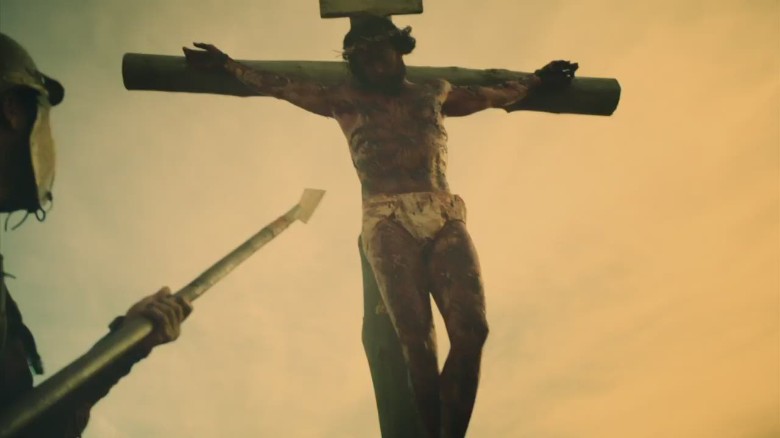

We have to stop hauling these things around with us all day every day. They aren’t helping. They’re only holding us back.

IMPROVE YOUR EDC

So what do we need to grab with us instead? What should we be doing our “pocket check” for in the mornings before we leave the house? Pay attention to what Paul and James say right after the sections above:

But the Holy Spirit produces this kind of fruit in our lives: love, joy, peace, patience, kindness, goodness, faithfulness, gentleness, and self-control. There is no law against these things! (Galatians 5:22-23 | NLT)

Since God chose you to be the holy people he loves, you must clothe yourselves with tenderhearted mercy, kindness, humility, gentleness, and patience. Make allowance for each other’s faults, and forgive anyone who offends you. Remember, the Lord forgave you, so you must forgive others. Above all, clothe yourselves with love, which binds us all together in perfect harmony. And let the peace that comes from Christ rule in your hearts. For as members of one body you are called to live in peace. And always be thankful. (Colossians 3:12-15 | NLT)

But the wisdom from above is first of all pure. It is also peace loving, gentle at all times, and willing to yield to others. It is full of mercy and the fruit of good deeds. It shows no favoritism and is always sincere. (James 3:17 | NLT)

Before you leave for the day, make sure to unpack your anger, pride, and jealousy. Instead, make sure you bring along your love, mercy, and forgiveness. These are the essentials that will come in handy each and every day as you deal with the people and situations in your life. Humility, gentleness, thankfulness, sincerity – these are the tools we need to get us through the day in a way that honors God.

PACK LIGHT

On our family vacations we were always given this instruction: Pack Light. There was only so much room in our van for luggage. We were to bring only what we needed – just the essentials for the trip. We just couldn’t fit a bunch of excess supplies, clothing, or toys in the already crowded vehicle.

When we embark on our journey of faith, it’s important that we pack light so as not to be weighed down by a bunch of excess items we don’t need. In fact this was literally the case when Jesus sent his disciples out on their first mission without him. Check it out:

Then Jesus went from village to village, teaching the people. And he called his twelve disciples together and began sending them out two by two, giving them authority to cast out evil spirits. He told them to take nothing for their journey except a walking stick—no food, no traveler’s bag, no money. He allowed them to wear sandals but not to take a change of clothes.

“Wherever you go,” he said, “stay in the same house until you leave town. But if any place refuses to welcome you or listen to you, shake its dust from your feet as you leave to show that you have abandoned those people to their fate.”

So the disciples went out, telling everyone they met to repent of their sins and turn to God. And they cast out many demons and healed many sick people, anointing them with olive oil. (Mark 6:6-13 | NLT)

He sent his disciples out on pairs to prepare the surrounding towns to hear the Good News about Jesus. (Side note – discipleship was NEVER intended to be a solo journey. They were sent in groups of two. Following Jesus is something we do in community, not individually. It’s our own rugged individualism that leads to many of the problems discussed earlier – pride, jealousy, greed, etc. Don’t go it alone!)

But he also told them to pack light. In fact they were only to take what they had on their person – their EDC, if you will. This would allow them to travel more quickly and efficiently. But it would also force them to rely on the kindness of strangers for support along the way. When we rid ourselves of excess baggage and focus on improving our EDC, then stronger relationships and community will be the necessary result.

CUTTING THE EXCESS

Still unconvinced? Let’s imagine this scenario. It’s the day of the big track meet. You are up for the 400 meter race. The whole team is relying on you. If you win this, your team wins the meet. You approach the starting blocks, but confusion sweeps through the crowds as they watch your approach. You look down and realize that you’re wearing snow boots, jeans, a heavy parka, big gloves, and a scarf. Even though you are favored to win, the other runners are in their track shoes and lightweight shorts and top. You have just put yourself at a severe disadvantage.

This is another ridiculous scenario. It sounds like the kind of anxious nightmare you would have the night before the big race. But this is the reality we find ourselves living in much of the time. We continue to be weighed down and held back from being our best selves because of all the junk in our lives that we just won’t let go of. Listen to these words from Hebrews:

Therefore, since we are surrounded by such a huge crowd of witnesses to the life of faith, let us strip off every weight that slows us down, especially the sin that so easily trips us up. And let us run with endurance the race God has set before us. We do this by keeping our eyes on Jesus, the champion who initiates and perfects our faith. Because of the joy awaiting him, he endured the cross, disregarding its shame. Now he is seated in the place of honor beside God’s throne. (Hebrews 12:1-2 | NLT)

Strip off the excess. Focus on the finish line. And run your heart out. This is the journey of faith.

WHAT’S HOLDING YOU BACK?

You may realize that you have baggage in your life that is holding you back from being the man or woman God created you to be. You may be ready to make some changes, but you don’t know where to start. Let me offer some questions to ask yourself. But you must be completely honest with yourself in your answers.

1. Am I my own worst critic?

My seven year old has begun saying things like “I’m such an idiot” or “I’m so stupid” when he realizes he made some kind of a mistake. When I tell him not to talk that way, he says “But I’m saying it to myself, not anyone else. I didn’t call someone else an idiot.” So I had a talk with him the other day. If I heard another kid calling him those names, I would get really upset. If he had a friend call him stupid, that would really hurt his feelings. So if we don’t want other people talking to us that way, we shouldn’t talk to ourselves that way either.

Many of us are plagued by an inner critic that always points out our flaws and mistakes. That little voice tells us we’re not good enough, pretty enough, funny enough, strong enough, athletic enough. It tells us that if people really knew who we were on the inside, they wouldn’t like us or want to be our friend anymore. It tells us we have to be better, we have to keep people at a distance, we have to keep up the performance, otherwise we could be rejected and hurt.

If that’s you, then there is something you can do. Give that inner voice a name. Call it out when it’s dragging you down, and silence it. “Not right now, Martha.” “Be quiet Stacey.” “Stop being so rude, Barry.” By naming that inner critic, you are creating distance between it and you. By acknowledging it and calling it out, you are taking back the control over your inner thoughts.

Treat yourself the way you want others to treat you.

2. What baggage have I inherited?

I remember going to the airport when I was younger. I would stand in line with my family at the check-in counter. We would all hoist our suitcases onto the scale beside the desk while the staff member asked us questions. One of the questions was “Did anyone else pack your bags or have control of your luggage?” I remember thinking, I’m old enough to pack my own bags, thank you very much! They asked that question just in case someone tried to sneak something into my luggage without my knowledge.

Isn’t that the way it goes, though? We have baggage we’re carrying around that has been passed down for generations. Our parents and grandparents may have gone through some stressful or traumatic events that cause them to develop negative attitudes or destructive behaviors. And those get passed right along to us without our knowledge or consent. We may inherit our dad’s hot temper or our mom’s passivity. We may shut down completely when things get hard – just like our grandfather. Studies have shown that in extreme cases, traumatic events experienced by parents and grandparents can leave a lasting imprint on future generations at a genetic level.

Realize it’s not all your fault. Some of this junk was passed down to you. Try to identify those things and deal with them as a family.

3. Are my defense mechanisms actually working?

As children we develop patterns of behavior in response to stress or trauma. But we often carry those defense mechanisms into our teenage and adult years where they become less appropriate. You may become passive aggressive. You may turn everything into a joke. You may build up emotional walls to keep people from getting too close. You may run away from a problem when the going gets tough. You may lash out at your friends and family for no apparent reason. You may project your own problems onto others.

How’s that working for ya? Is it making your life better or worse? Are your relationships closer and more open? Are you seeing the results you hope to accomplish? Often our defense mechanisms end up producing the exact opposite results from what we wanted. Do some self-reflection to discover patterns of behavior when you’re in conflict or stress. Replay those scenarios and ask yourself what you could have done differently. Set aside your anger and fear and selfishness. Try carrying with you gentleness and humility and self-control instead.

4. What kind of person do I want to be?

You probably don’t want to become that bitter old woman who never let herself get close to anyone. You probably don’t want to be known as that man who can’t control his temper. You probably don’t want to be labeled as a “problem child.” You most likely have an ideal image in your mind of the kind of person you want to be. Put some of it in writing. Set goals for yourself and develop a plan of action.

Sometimes you even have to “fake it until you make it.” Will pretending to be more compassionate actually make you more compassionate? Will pretending to be open and friendly make you become more open and friendly? Studies say…probably. We tend to think that behavior follows attitudes and values. But sometimes it’s just the opposite. Sometimes we can change our inward values and attitudes by changing our outward behaviors and actions.

Jesus didn’t ever wait for someone to become perfect before following him. Jesus called imperfect, flawed people to follow him. And it was through their time with him, looking to him as an example, that they became the kind of people they were created to be. It’s all part of the journey.

5. Do I really need this? Is this making my life better?

The point of EDC is functionality. If you aren’t going to use something on a daily basis, there is no point in carrying it with you every day. EDC is all about the essentials. So is our journey of faith.

We need to do a better job of asking ourselves “Do I really need _____________ in my life?” That could be an attitude, a relationship, a commitment you’ve already made. It could even be physical objects and possessions.

And the follow-up question is just as important. “Is _____________ making my life better?” Is pride improving you life? Is greed making you a better human being? When was the last time you felt better about yourself after scrolling through Instagram or Snapchat? When was the last time Twitter made your day better? How much better is your life since you’ve been holding onto that grudge?

HIT THE ROAD

Now that you’ve asked yourself the tough questions, now that you’ve cut the excess and grabbed just the essentials, it’s time to hit the road.

But where are we going? When will we be there? Are we there yet?