Page 74 of 82

Out of Egypt

Well, here we are again. Done with yet another trip.

Egypt is…where should I start? Beautiful, awesome, inspiring, incredible, amazing, exilerating…you get the point. We got to experience everything from Alexandria to Abu-Simbel. We entered a pyramid at Giza, stared into the mummified face of Ramses II, rode camel across the Nubian desert, cruised along the Nile, and sat in the place where Moses went to school as a prince – jus to name a few of the highlights.

There will be more to come about these, but I simply wanted to let everyone know that the trip went well. No one got sick, no one got injured, and everyone had the time of their lives.

Out of Egypt

Well, here we are again. Done with yet another trip.

Egypt is…where should I start? Beautiful, awesome, inspiring, incredible, amazing, exilerating…you get the point. We got to experience everything from Alexandria to Abu-Simbel. We entered a pyramid at Giza, stared into the mummified face of Ramses II, rode camel across the Nubian desert, cruised along the Nile, and sat in the place where Moses went to school as a prince – jus to name a few of the highlights.

There will be more to come about these, but I simply wanted to let everyone know that the trip went well. No one got sick, no one got injured, and everyone had the time of their lives.

Thermopylae – yes, like in the movie 300.

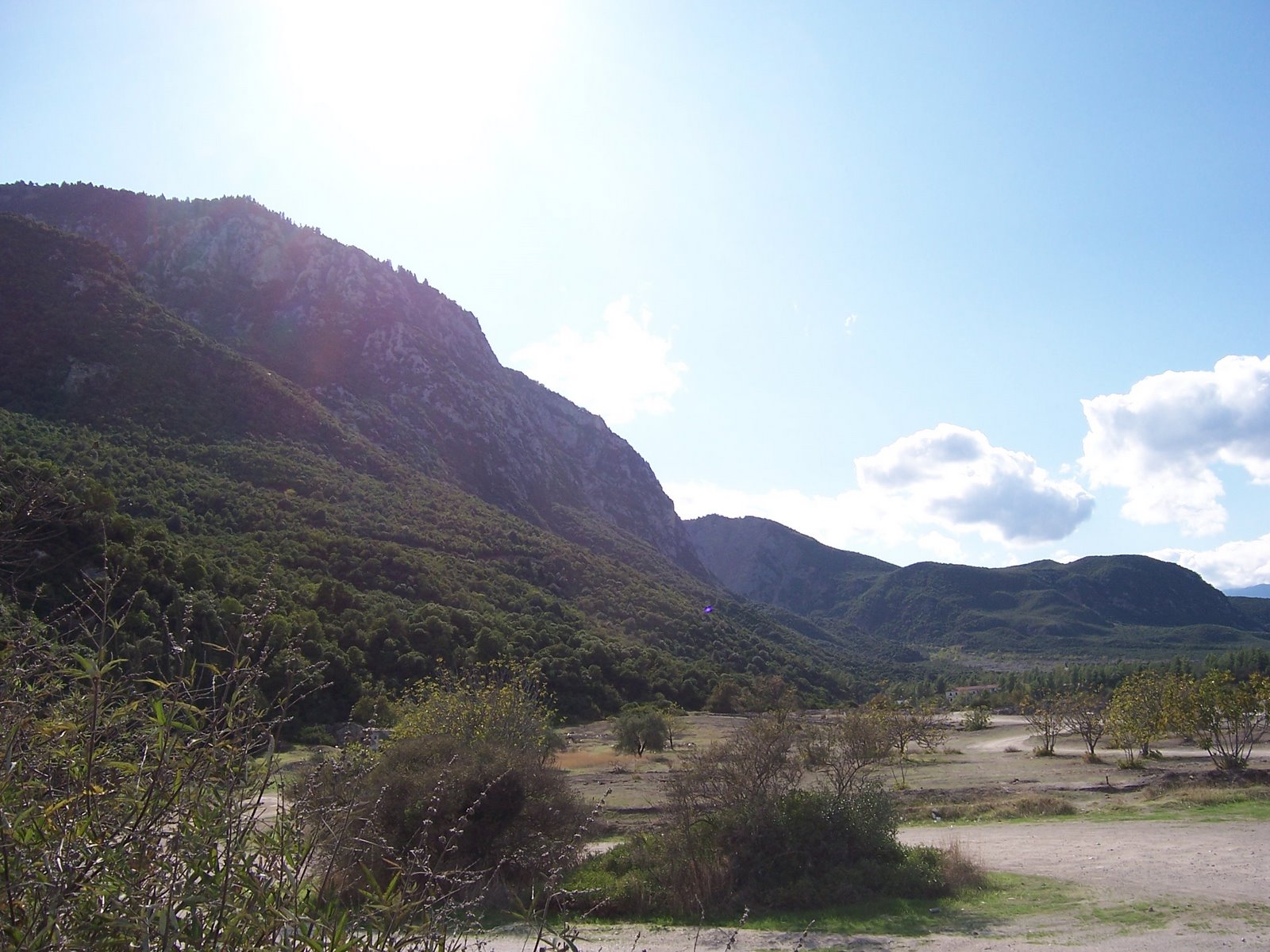
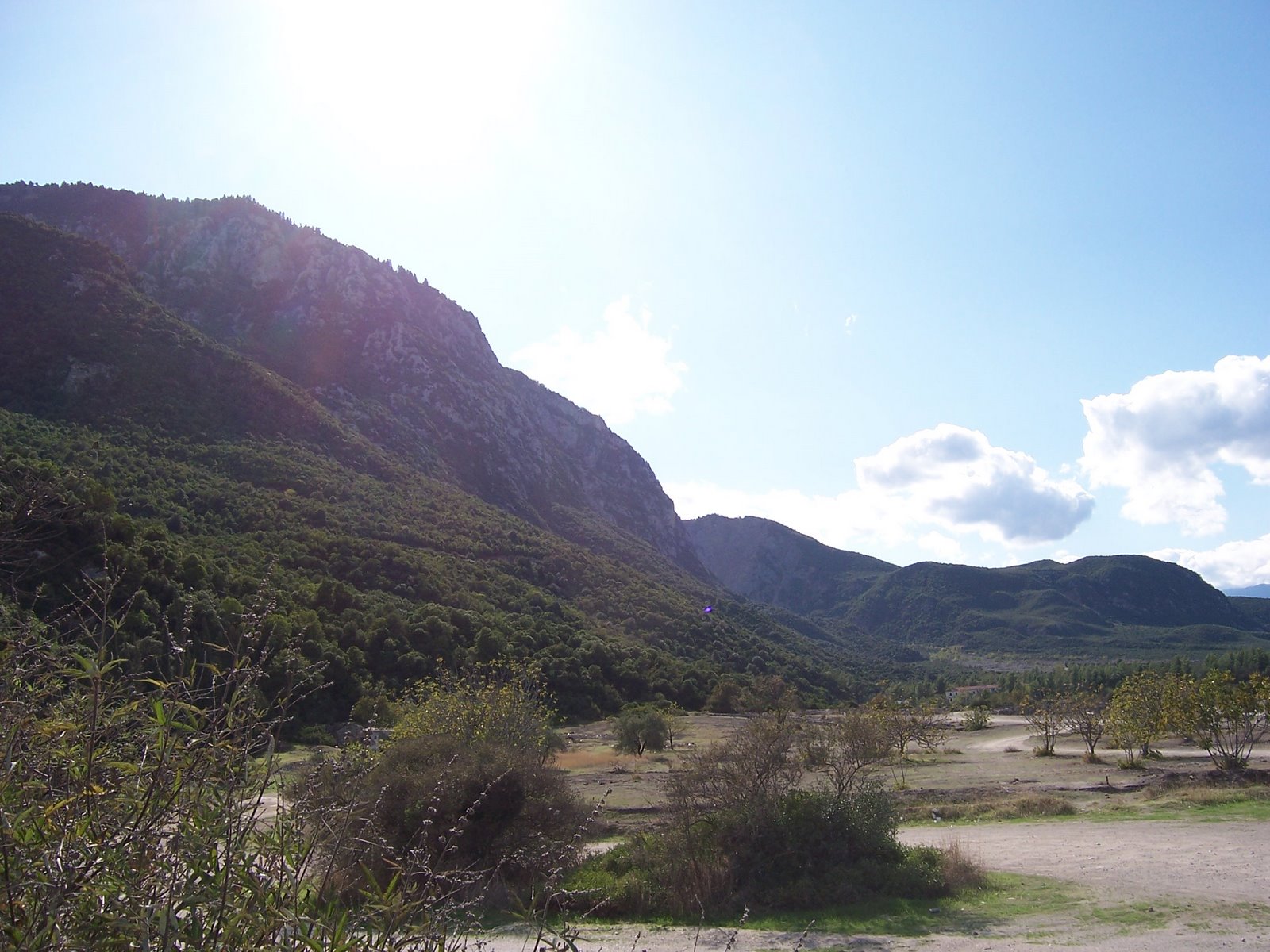
Just imagine, 250,000 Persians gathered on those hills raining arrows down on the 300 Spartans and 700 Thespians.

This is the monument built in honor of King Leonidas of Sparta.

Thermopylae:
Ok, so everyone probably knows the story of this battle site, but I still find it amazing that 300 Spartans and 700 Thespians defended the pass from 250,000 Persians for 3 days while the rest of Greece was able to gather their forces together and eventually send the invaders back home with their tales tucked between their legs.

This is the site of arguably the most important battle in the history of Western civilization. It is theorized that if the Persians had broken through any sooner, the rest of Greece would not have been able to regroup and drive them out. If the Persians had simply swept through Greece as they were intending, the rest of Europe would have been in danger of falling under Persian control as well, and Western Civilization as we know it would have been completely destroyed.
_________

So that wraps up our tour of Northern Greece. We did make quick stops in Kavala (ancient Neapolis where Paul entered Europe for the first time) and Berea, but we didn’t really spend enough time in either of those places to write much about.

Next up is our trip to Egypt. We leave this Tuesday, so keep us in your prayers. I may not be able to update until we get back because I’m not sure if we’re taking our laptop with us. So it may be a little over a week before I get back to this.

Thessaloniki – in the shadow of Olympus

The remains of the Roman forum in downtown Thessaloniki

Monument in honor of Alexander the Great, the founder of the city.

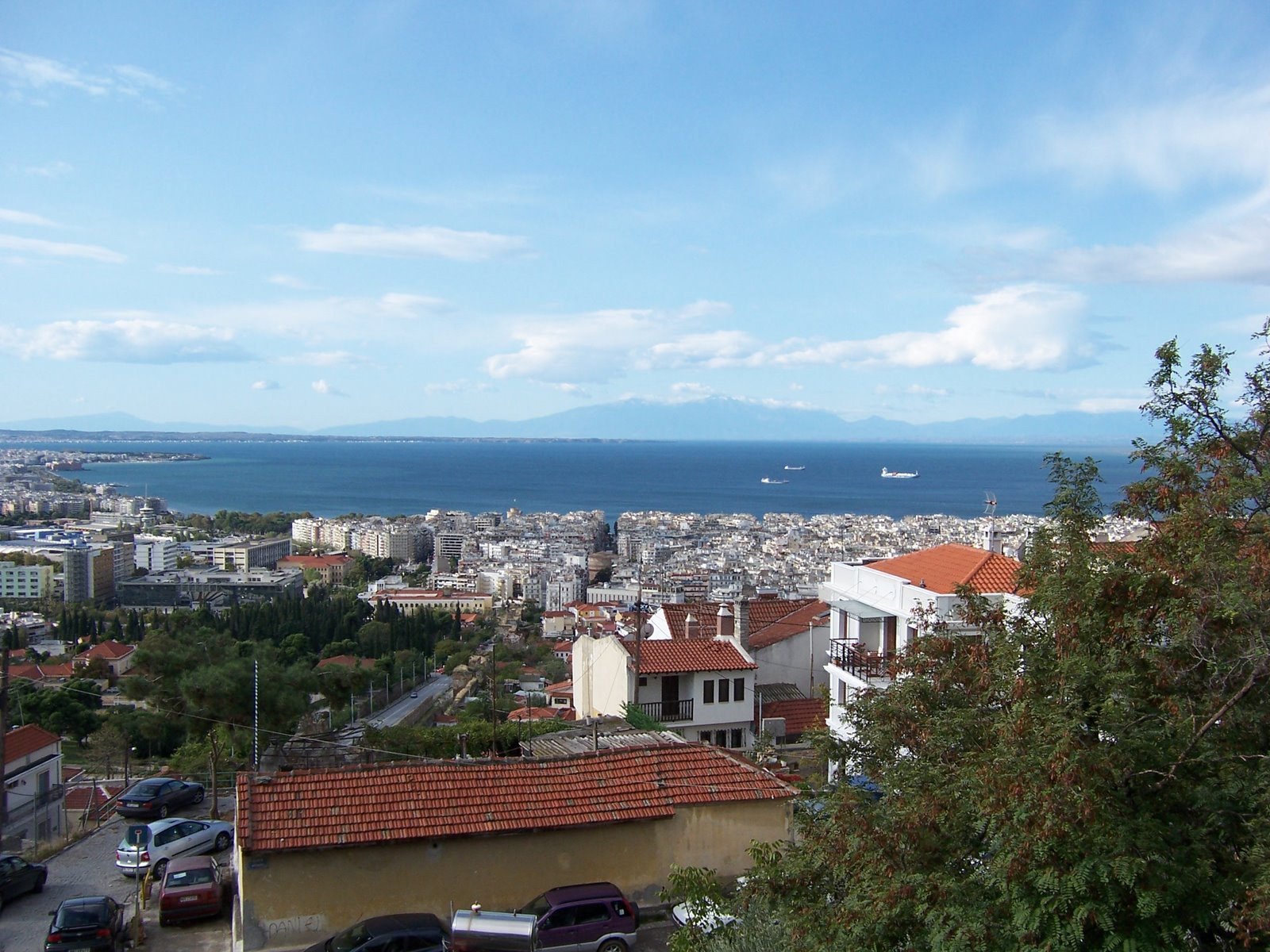
Looking down on the city from the Acropolis. You can see Mount Olympus in the background.

Thessaloniki:
You may not realize it, but Thessaloniki is the second largest city in Greece and had pretty much always been about as important as Athens. At many times throughout its history, Thessaloniki has acted as a sort of second capital. It was established by Alexander the Great in honor of his sister.

There aren’t as many historical excavations taking place in Thessaloniki simply because it is difficult to excavate a city which has 2million people living on top of it. They are working hard to dig up the places they can, like the Roman forum in the top picture.

It was amazing to see how close Mount Olympus is to the city. I never realized where exactly the mountain of the gods was. It is a beautiful range of mountains directly across the bay from the city, and on a clear day it can be seen towering majestically over its surroundings.

We really didn’t get to spend as much time in Thessaloniki as I had hoped, but it was still cool to see how much the city has continued to flourish throughout its history of over 2000 years.

Philippi – I think the Macedonians are calling.

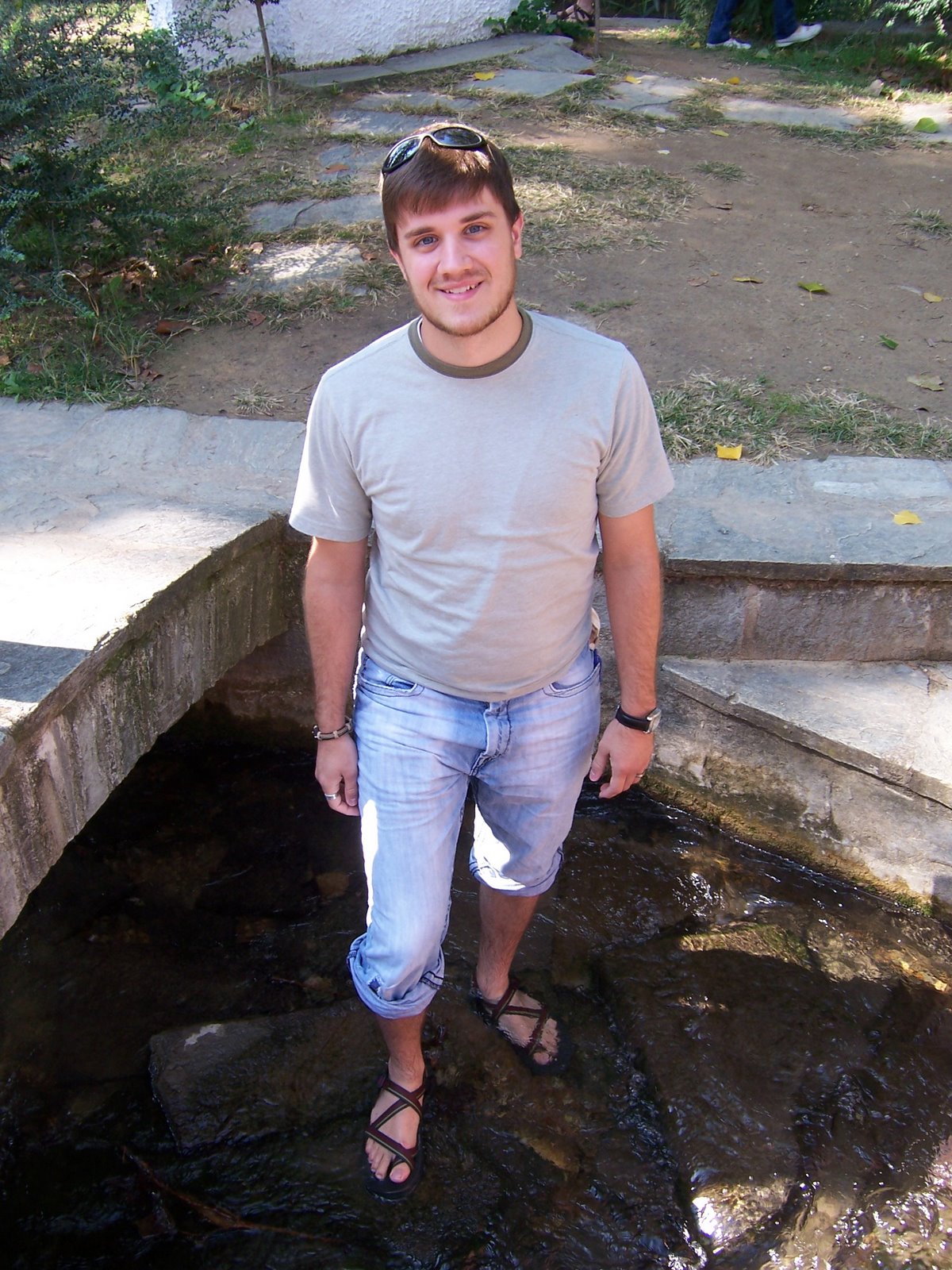
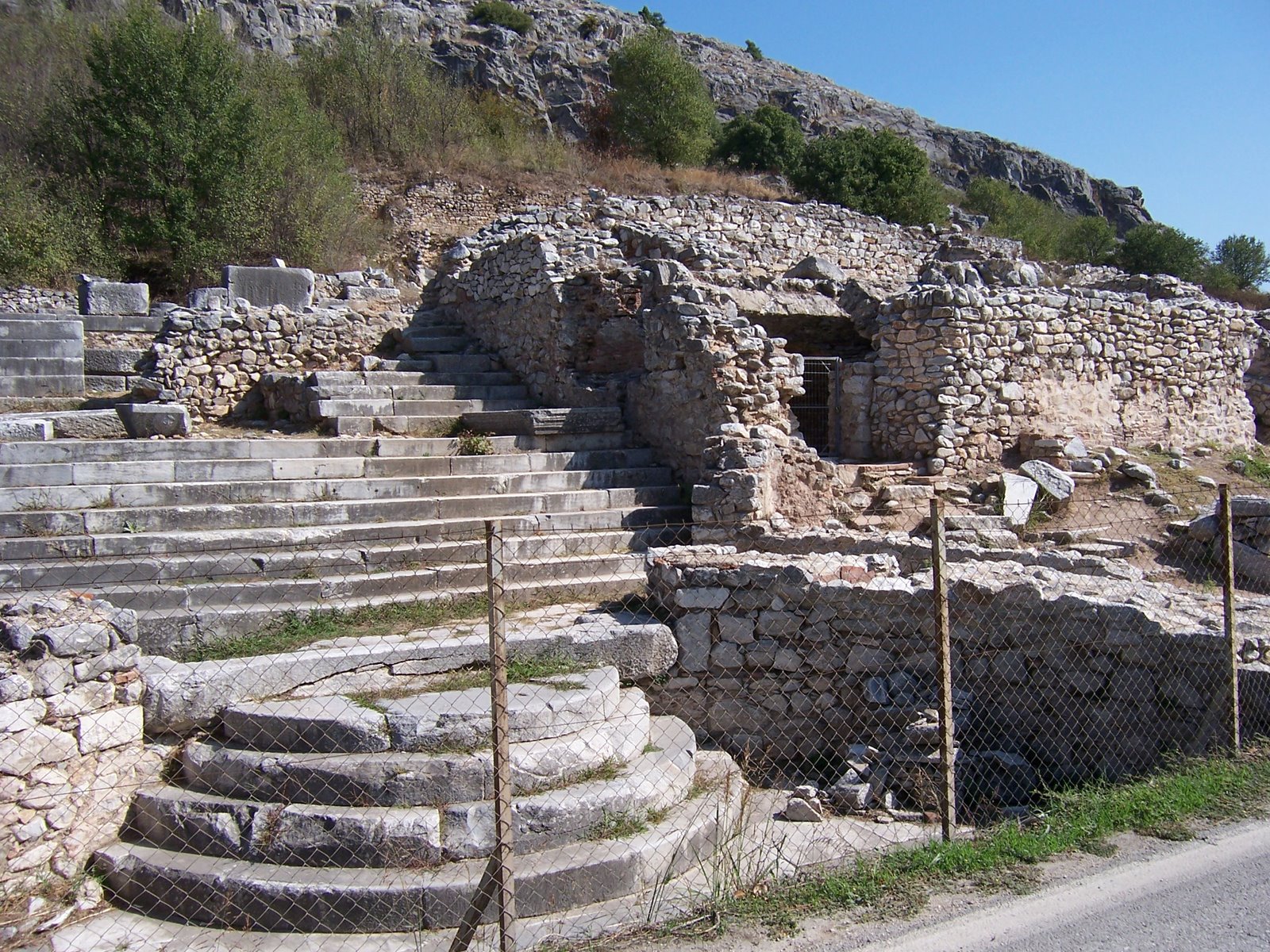
This is the possible location of the River in which Lydia and the Jailer were baptized.

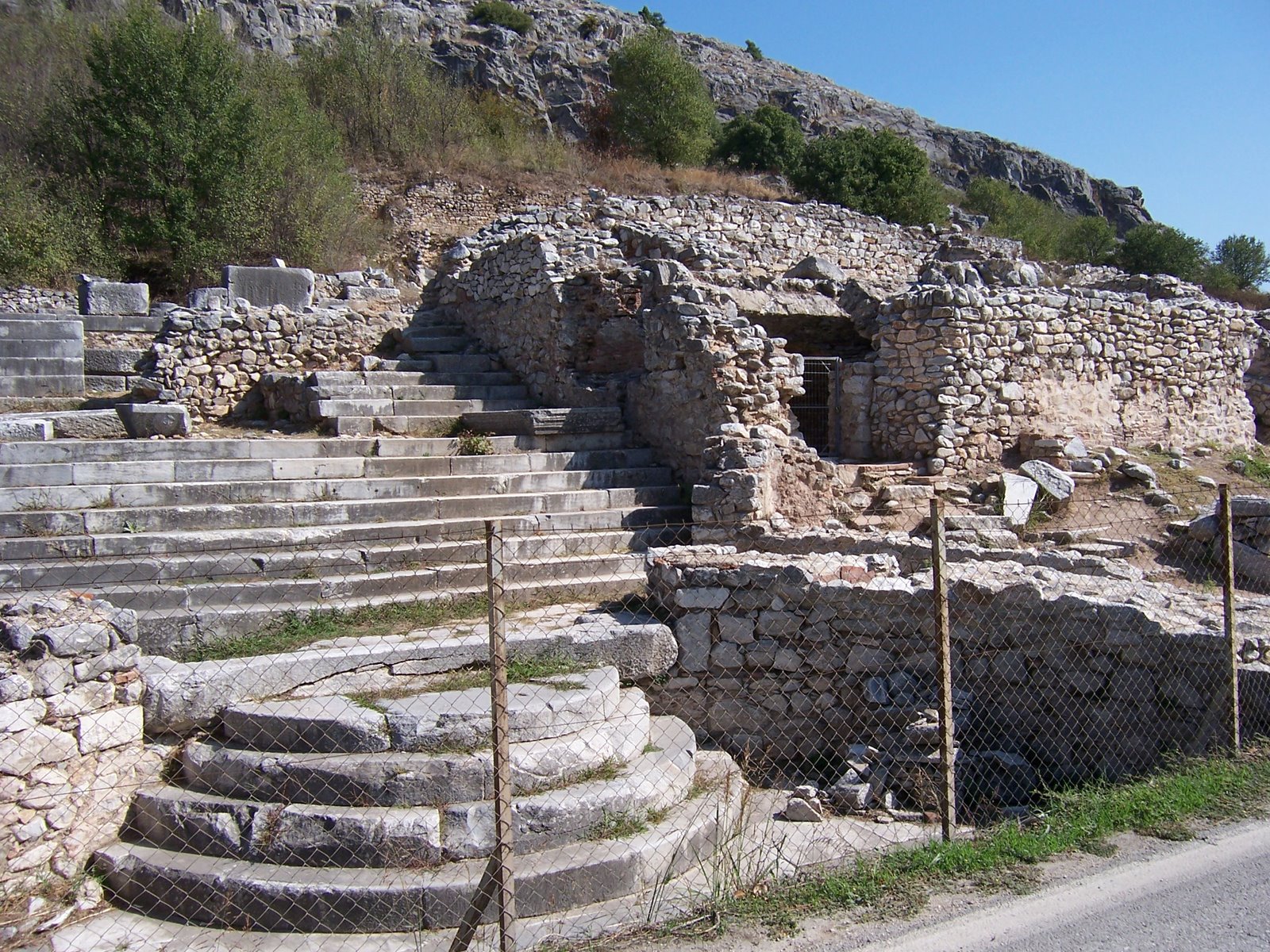
To the right of those steps is the traditional site of the jail in which Paul and Silas were held overnight.

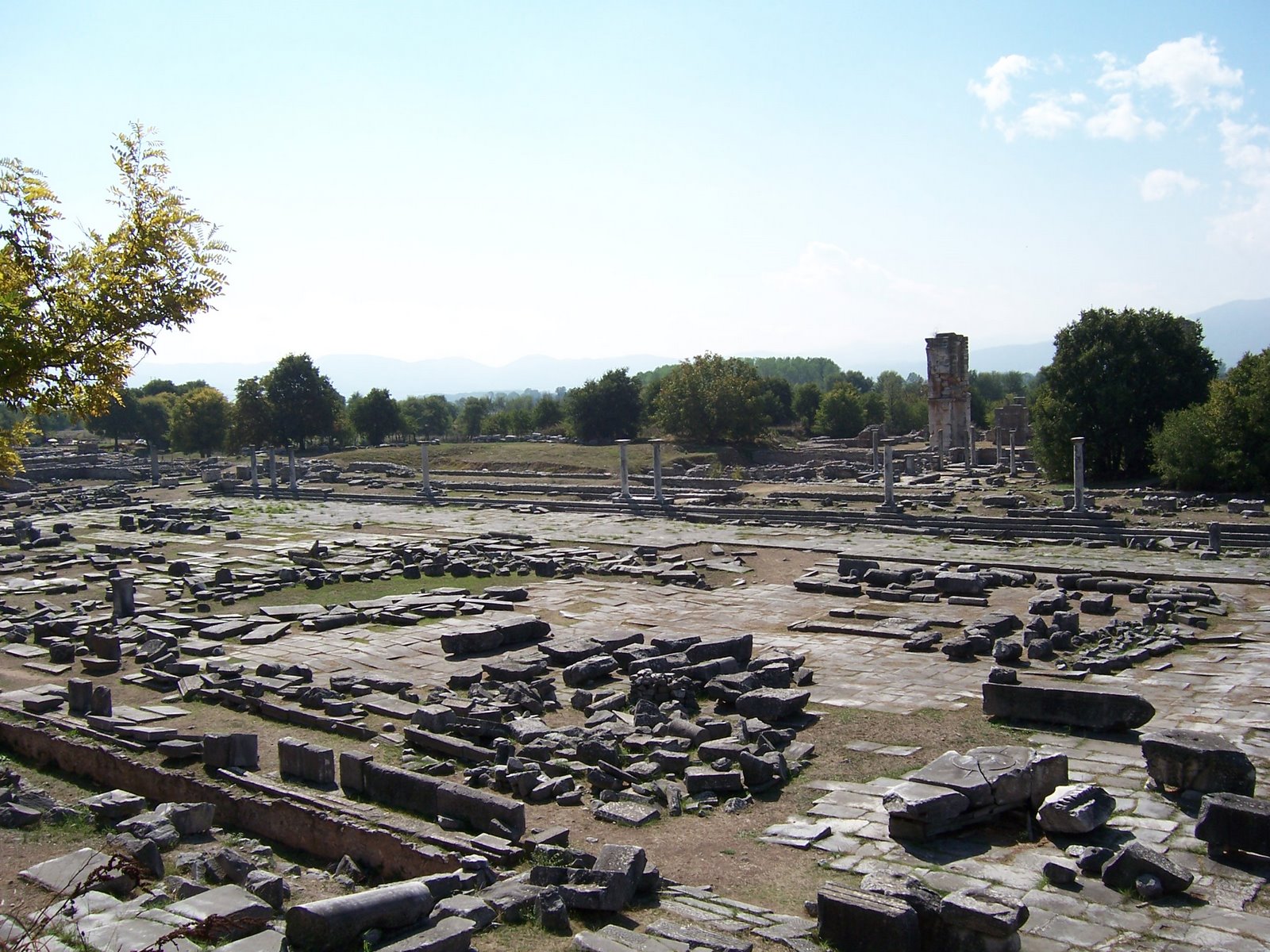
This is really the main part of the city. This is all that remains of the Roman forum and the Agora. In the background you can see the remains of a gigantic basilica that was built ca. 400 AD.

Philippi:
When we first got to Philippi, we started at the river which would have been located outside the western wall of the city. This is the traditional cite where Lydia and other Jews were meeting for worship regularly. It could possibly be the river in which the first European converts were baptized, but it is certainly the river in which thousands of Christians have been baptized over the last several centuries. This is a place of pilgrimage for thousands of Christians of every denomination. A formal baptistery has been built into part of the river with a small theater on one side for people to witness the baptism. It was incredible being able to wade around the river and sing songs like “As the Deer”.

The main city, as you can see, is still in ruins. Very few parts of buildings are standing. It is mainly just foundations and rubble. The coolest structure still partly standing was one of the basilicas, which still had its four corners standing at least 50 feet high. But this was only one of three or four gigantic church buildings in the ancient city.

As you may know, the famous Via Egnatia runs straight through the city. It was a road built by the Romans that stretched about 350 miles or so, from the port city Neapolis, through Philippi, and on through Berea and Thessaloniki. We got to walk along the road which we know for a fact that Paul walked along as he traveled through this part of Europe.

The city also has a pretty good size theater which is undergoing a massive restoration effort. In this theater people would watch everything from plays and choral performances to gladiatorial battles and executions. I guess that’s all part of being a free Roman colony.

Vergina – I don’t think that hill belongs there.


The next historical hot spot we visited was Vergina, the home and burial place of King Philip II of Macedon. If you remember your Western Civ., King Philip II was the guy that conquered all of Greece and united the Hellenes under one rule for the first time in their long history. After Philip was assassinated (in a theater no less), his young son, Alexander, took control and conquered the rest of the world, or at least the rest of the Persian Empire.

What’s cool about this site is that everything is underground. There are parts of the city, mainy burial chambers, that have been excavated and preserved by keeping them hidden under a huge mound of earth, just as they were discovered by the original archaeologists. Apparently they just came across a hill that looked like it wasn’t supposed to be there, and they started digging. Among the excavations, though, is a full fledged museum displaying beautiful artifacts – golden wreaths, decorative armor and weaponry, intricate ivory carvings, and so on. We weren’t aloud to take any pictures, though, so all I have are pictures of the outside.

Thermopylae – yes, like in the movie 300.

Just imagine, 250,000 Persians gathered on those hills raining arrows down on the 300 Spartans and 700 Thespians.

This is the monument built in honor of King Leonidas of Sparta.

Thermopylae:
Ok, so everyone probably knows the story of this battle site, but I still find it amazing that 300 Spartans and 700 Thespians defended the pass from 250,000 Persians for 3 days while the rest of Greece was able to gather their forces together and eventually send the invaders back home with their tales tucked between their legs.

This is the site of arguably the most important battle in the history of Western civilization. It is theorized that if the Persians had broken through any sooner, the rest of Greece would not have been able to regroup and drive them out. If the Persians had simply swept through Greece as they were intending, the rest of Europe would have been in danger of falling under Persian control as well, and Western Civilization as we know it would have been completely destroyed.
_________

So that wraps up our tour of Northern Greece. We did make quick stops in Kavala (ancient Neapolis where Paul entered Europe for the first time) and Berea, but we didn’t really spend enough time in either of those places to write much about.

Next up is our trip to Egypt. We leave this Tuesday, so keep us in your prayers. I may not be able to update until we get back because I’m not sure if we’re taking our laptop with us. So it may be a little over a week before I get back to this.

Thessaloniki – in the shadow of Olympus

The remains of the Roman forum in downtown Thessaloniki

Monument in honor of Alexander the Great, the founder of the city.

Looking down on the city from the Acropolis. You can see Mount Olympus in the background.

Thessaloniki:
You may not realize it, but Thessaloniki is the second largest city in Greece and had pretty much always been about as important as Athens. At many times throughout its history, Thessaloniki has acted as a sort of second capital. It was established by Alexander the Great in honor of his sister.

There aren’t as many historical excavations taking place in Thessaloniki simply because it is difficult to excavate a city which has 2million people living on top of it. They are working hard to dig up the places they can, like the Roman forum in the top picture.

It was amazing to see how close Mount Olympus is to the city. I never realized where exactly the mountain of the gods was. It is a beautiful range of mountains directly across the bay from the city, and on a clear day it can be seen towering majestically over its surroundings.

We really didn’t get to spend as much time in Thessaloniki as I had hoped, but it was still cool to see how much the city has continued to flourish throughout its history of over 2000 years.

Philippi – I think the Macedonians are calling.

This is the possible location of the River in which Lydia and the Jailer were baptized.

To the right of those steps is the traditional site of the jail in which Paul and Silas were held overnight.

This is really the main part of the city. This is all that remains of the Roman forum and the Agora. In the background you can see the remains of a gigantic basilica that was built ca. 400 AD.

Philippi:
When we first got to Philippi, we started at the river which would have been located outside the western wall of the city. This is the traditional cite where Lydia and other Jews were meeting for worship regularly. It could possibly be the river in which the first European converts were baptized, but it is certainly the river in which thousands of Christians have been baptized over the last several centuries. This is a place of pilgrimage for thousands of Christians of every denomination. A formal baptistery has been built into part of the river with a small theater on one side for people to witness the baptism. It was incredible being able to wade around the river and sing songs like “As the Deer”.

The main city, as you can see, is still in ruins. Very few parts of buildings are standing. It is mainly just foundations and rubble. The coolest structure still partly standing was one of the basilicas, which still had its four corners standing at least 50 feet high. But this was only one of three or four gigantic church buildings in the ancient city.

As you may know, the famous Via Egnatia runs straight through the city. It was a road built by the Romans that stretched about 350 miles or so, from the port city Neapolis, through Philippi, and on through Berea and Thessaloniki. We got to walk along the road which we know for a fact that Paul walked along as he traveled through this part of Europe.

The city also has a pretty good size theater which is undergoing a massive restoration effort. In this theater people would watch everything from plays and choral performances to gladiatorial battles and executions. I guess that’s all part of being a free Roman colony.

Vergina – I don’t think that hill belongs there.


The next historical hot spot we visited was Vergina, the home and burial place of King Philip II of Macedon. If you remember your Western Civ., King Philip II was the guy that conquered all of Greece and united the Hellenes under one rule for the first time in their long history. After Philip was assassinated (in a theater no less), his young son, Alexander, took control and conquered the rest of the world, or at least the rest of the Persian Empire.

What’s cool about this site is that everything is underground. There are parts of the city, mainy burial chambers, that have been excavated and preserved by keeping them hidden under a huge mound of earth, just as they were discovered by the original archaeologists. Apparently they just came across a hill that looked like it wasn’t supposed to be there, and they started digging. Among the excavations, though, is a full fledged museum displaying beautiful artifacts – golden wreaths, decorative armor and weaponry, intricate ivory carvings, and so on. We weren’t aloud to take any pictures, though, so all I have are pictures of the outside.