Page 17 of 82

UNCLEAN! (Or the biblical case for social distancing)

One preacher that has blessed my life from afar is Patrick Mead. Many of you may know him or have heard of him. He is the preaching minister at Fourth Avenue Church of Christ in Franklin, TN. I’ve been listening to his sermon and class recordings for the past several years.

His teaching about the Buick in the Pyramid really stuck with me. He poses a hypothetical situation in which archeologists are uncovering a long lost tomb of an Egyptian pharaoh. They dig and break through into the treasure room, and there among the chests of gold and the intricate statuettes sits a luxury automobile. There’s no way that should be there. There’s no way it could have gotten there, but it’s there. You cannot dispute it. It’s a car in an ancient tomb.

That’s kind of like the book of Leviticus.

Patrick Mead knows far more than I do about science and the human anatomy. He has degrees in that stuff. According to him (and others I’ve heard) reading through Leviticus is like finding a Buick in the Pyramid. There are things that just shouldn’t be there. We read certain laws about cleanliness and disease control that simply don’t make sense unless you understand germ theory and disease transmission – things human scientists wouldn’t know about for literally thousands of years after the writing of Leviticus.

Did you know that touching an animal carcass made you “unclean?” Leviticus did. If an Israelite touched a dead body he would have to wash his body and his clothing and remain “unclean” for the rest of the day. In other words – personal hygiene and social distancing.

Did you know that humans can get diseases from animals? Leviticus did. There are lists of “unclean” animals that they were not allowed to eat. Most of these we know to be carriers of diseases, and if not cooked thoroughly enough can cause major health problems.

Did you know that newborn babies and their mothers are really susceptible to disease and infections? Leviticus did. That’s why new mothers and their babies went into a sort of quarantine for a few weeks after birth. Even today we know this is a good practice just to ensure that everyone stays healthy.

Did you know that the best way to stop the spread of highly infectious diseases without the use of vaccines to quarantine and self-isolation? Leviticus did. That’s why people with leprosy had to leave the camp. That’s why people who were sick with certain diseases had to stay away from other people – and anything they touched would be “unclean,” too. And once the symptoms went away, they couldn’t just go back to life as normal on their own. They had to get the all-clear from a priest.

Did you know that certain types of viruses and bacteria can live on hard surfaces and transmit diseases to a person who touches that contaminated surface? Leviticus did. If an unclean animal fell into a pot or a dish, then it had to be broken and never used again. The bed of a sick person would also be considered unclean. Clothing, bedding, vessels, utensils – these all had to be kept pure and free from contamination by those who were sick.

You can read all about these cleanliness codes and more in Leviticus 11 – 18. The food laws, cleanliness codes, and sexual practices outlined in these chapters were all about keeping the people pure and free from diseases. These sound tedious and boring, but they should really give us pause.

It wasn’t until very recent history that we realized blood-letting was a bad idea. And maybe we shouldn’t toss our poop out onto the street. And maybe doctors shouldn’t dissect cadavers and then immediately deliver babies. And maybe it wasn’t “bad air” that caused respiratory disease. And maybe people should wash their hands with soap and running water frequently and bathe themselves regularly.

If doctors and scientists (and the general public) had understood the reasoning behind the cleanliness codes of Leviticus, many lives throughout the centuries could have been saved (including George Washington).

But we humans have a way of ignoring the experts and listening to our own “gut”/intuition/instincts. I believe God is behind the Bible. I believe God knows what he is talking about. Right there in Leviticus we see the importance of cleanliness, hygiene, and “social distancing” in order to stop the spread of infectious disease.

So when experts (scientists, doctors, researchers, etc.) tell us the same thing that God has told his people for the last few thousand years, I’m inclined to listen and take heed.

Together we can all do our part to slow the spread and resultant loss of life due not only to SARS-CoV-2, but also the flu, the cold, and other illnesses that may hit the most vulnerable members of our communities the hardest.

Remember that it’s right in the middle of all these cleanliness guidelines that God tells us to “love your neighbor as yourself” (Leviticus 18:19). And I think one of the most relevant applications of that Great Command is found in Philippians 2:3-4,

Do nothing out of selfish ambition or vain conceit. Rather, in humility value others above yourselves, not looking to your own interests but each of you to the interests of the others.

I try to live my life with this guiding question: “What does love require of me?” And right now, love requires me to stay home as much as possible, to wash my hands, to keep my distance when I’m out, and to not put myself, my family, or others in a position of unnecessary risk.

May God cleanse our land. May God heal our world. And may we all do what we can do to stop the spread of the virus and instead spread love and hope.

The Enneagram Strikes Back

One of the first rules about the Enneagram is that you should never tell someone their type. Never try to type other people. Admittedly, that’s a rule that I’m sure all of us have broken at some point, especially early on. However, if we want to try our hand at understanding the different types in context, using fictional characters can be good practice.

So today we’re trying to discover the Enneagram Types of our favorite Star Wars characters.


The Force and the Enneagram have a lot in common. There is a light side, and a dark side. It brings out the best and the worst in people. It takes years to master, requires great patience, and can lead to profound wisdom and insights.

And sometimes it seems like it’s messing with your mind.

So let’s dive right in, shall we?

(And let’s be clear. I could be dead wrong about some of these. If you disagree with me, then I would love to hear what types you think these characters are.)

LUKE SKYWALKER……….Type Six


Sixes are the Loyalists, and Luke is nothing if not loyal. His friends and family mean everything to him. He lays his life on the line for the cause of the Rebellion. Our first meeting with him in A New Hope shows how anxious to leave Tatooine and join his best friend as a pilot for the Rebels. But he is also prone to worst-case scenario thinking, as is common with Sixes. He has to confront his fear in the cave – his greatest fear that he would be pulled to the dark side and become just like Darth Vader. It’s his fear of something terrible happening to Han and Leia that drives him to cut his training with Yoda short. And it’s his fear of leading others astray that causes him to close his Jedi Academy and lead a life as a hermit.

At his best, Luke is a voice of reason and preparedness. He is committed to his friends, family, and cause, but he also lets his fear drive his reckless decisions. And while he is committed to the cause of the rebellion and to becoming a Jedi Knight, he is also distrusting and argumentative in his relationship to his teachers – both Obi Wan and Yoda. We find him playing “devil’s advocate” quite a bit with them, doubting their teachings and methods, thinking he knows better than they do.

In the end, he literally lays down his life for his friends, the ultimate show of loyalty despite his angst, bitterness, and fear.

LEIA ORGANA……….Type Eight


Leia is that classic strong female character. She is brimming with confidence, and remains self-assured even in the face of great threats from Vader and Tarkin. She is not afraid to take charge, and doesn’t want anyone to slow her down. (“Will somebody get this walking carpet out of my way?!”) Leia ends up needing to rescue her rescuers, holds her own in arguments with Han, and isn’t afraid to grab a blaster and head to the front lines of the battle. Her passion for justice and her confrontational fire make her a powerful force in the Galactic Senate and later the prominent General in the Resistance Army.

At her healthiest, she fights for the cause of the underdog and does whatever she can to help whoever she can. She never stopped fighting for her son, even when she was fighting against him. Her relationship with Han was always a little rocky, but even then she never stopped loving him. It’s easy to see why Leia was so beloved by everyone in the Rebellion, the New Republic, and the Resistance – and also by fans around the world.

HAN SOLO……….Type Four


I have a bad feeling about this. I must admit that Han gave me some trouble. He is pretty hard to pin down – which often means Type Four. On the outside we may think he is a headstrong Eight or an adventurous Seven. But I really think he is a Four. I mean, it’s right there in the name – Solo? Individualist? Anyway, Han is a loner that struggles with commitment. But it’s not really that he is always looking for the next adventure. He just never feels like he really belongs. He tried to runaway, and it didn’t work out. He tried joining the Imperial Army, and it didn’t work out. He tried being a smuggler, and it didn’t work out. He tried being a general in the Rebellion and a husband of a Senator, but it didn’t work out. Do you see a pattern?

Han never felt like he fit in with anyone or anything. Fours go to Two in security, putting the needs of others above themselves and looking out for the good of other people. We see this in full display in A New Hope. Han gets his prize money and runs because he doesn’t think he belongs with the Rebellion. But then he comes back, puts his own life on the line, and helps Luke and the Rebels destroy the Death Star. But in stress, Fours go to One. When the poodoo hits the fan, Han immediately goes into fix-it mode. He has to get everything perfectly right. That’s fine when it comes to the Millennium Falcon, not so much when it comes to relationships like with Leia.

Fours have a push and pull approach to relationships a lot of times. They pull you in and then push you away. They let their emotions run the ship, and in Han’s case that ended up driving Leia away. Fours and Eights are a difficult pairing in a relationship. Eights tend to be pretty cut off from their feelings. Fours ARE feelings. Han may try to put on a tough exterior, but he often lets his emotions surface and drive his actions. (“I’ve got a bad feeling about this.”) He would rather be on his own perfecting his art – in this case piloting the Falcon.

DARTH VADER / ANAKIN……….Type Eight


Is this any surprise? Anakin let his anger drive him. But anger is often a “secondary emotion.” In other words, anger is the tip of the iceberg, what you see on the surface. Below the surface was immense fear – fear of losing his loved ones (his mom and Padme), fear of being betrayed, fear of missing out on his fullest potential. Yoda was exactly right. Fear leads to anger, and that anger drove Anakin.

The transition to the dark side truly began and came to completion because he felt betrayed by the Jedi. He felt like they were holding out on him, that they were keeping him from achieving his goals. Palpatine played on those feelings of betrayal and manipulated Anakin into letting his anger and hatred take over. But in the ultimate redemption arc in the Star Wars Saga, Vader turns back into Anakin for the final moments of his life, saving his son and defeating the Emperor – an Eight going to Two.

OBI WAN KENOBI……….Type One


Hello there! Obi Wan is arguably the best thing to come out of the prequels. I love his character. Obi Wan is a One, but he is pretty healthy. He likes to play by the rules and do everything by the book. The Jedi Code is everything to him. As he trains Anakin, most of his energy is put into keeping Anakin in line. Obi Wan sees the galaxy in binaries – there is right and wrong, good and bad, the light and the dark side. We often find him telling others what they should and should not do – and he’s very often exactly right.

As he gets older we do see shades of gray bleeding into his black and white thinking. His choice to tell Luke the “truth” about his father “from a certain point of view” does not go over well with Luke. But in the end Obi Wan never varied from his firmly held beliefs. He is a model of integrity no matter the cost.

EMPEROR PALPATINE……….Type Three


Success, winning, power, fame, notoriety – these are the only things Palpatine cares about. He has that win-at-all-costs mentality. The ends justify the means for him. He has to be the best. He has to get things done. It doesn’t matter if he cuts corners or cheats his way to the top. Palpatine was only successful because he could easily become whoever he needed to be in the moment for whatever group he was trying to win over. He wore so many masks and wore them so well that no one could really see though his disguise.

CHEWBACCA……….Type Two


Always there to help and lend a large, furry hand, Chewy is the classic Two sidekick. He is loyally devoted to Han (because of a whole life-debt thing that we don’t have time to get into). But he is also there to help Luke and Leia and Lando and C-3PO and Rey…. He is faithful, reliable, always willing to help, and not afraid to rip someone’s arms off to protect those he loves.

REY……….Type Five


Rey got a lot of pushback online for being a “Mary Sue” – a character who is overly skilled and good at too many things. But really, I think of her as a Five. Fives are often knowledgable about a lot of different subjects because they like to investigate and research. So as a Five, it would make sense for her to know about scavenging for parts and piloting ships and rewiring electrical systems. And it would make sense how she was able to hone her force abilities so quickly. Once she takes interest in a subject, she goes very deep very quickly. She took the ancient Jedi books – and read them! Not even Luke did that.

Rey is comfortable being alone and finds her “fortress of solitude” wherever she is. And while she may be accustomed to solitude, she is also not afraid to fight for what she believes in – Fives go to Eight in security and begin to use their “powers” for the good of others, especially the underdogs.

KYLO REN / BEN SOLO……….Type Three


Ben Solo had drive and ambition. He wanted to live into his full potential and be the best. He thought the Dark Side could help get him there. When he realized that Luke wouldn’t help him achieve his goals, he left. For unhealthy Threes, relationship last only as long as they are useful. Threes care about what they can get out of any particular relationship. Kylo Ren used Luke, he used Rey, he used his Dad, he even used the long-dead persona of his grandfather – all in order to get what he wanted. Only in the end was he able to set aside his own personal goals and join in with a cause that was bigger than himself. Then he was able to leave the masks behind and become fully and truly himself, not just the persona he wanted others to see.

POE DAMERON……….Type Six (Counter-Phobic)


Poe is extremely loyal and devoted to the cause of the Resistance, but he is inherently distrustful of leadership. This is most clearly seen in The Last Jedi. He is so devoted to Leia that he couldn’t stand it when General Holdo took charge. In his unhealthy state, Poe tends to fall into the darker side of Three, wanting to be a hotshot flyboy, showing off and taking unnecessary risks. But in health, like when Leia put him in charge, he went to Nine and brought everyone together around a common goal.

FINN……….Type Two


Finn is also a classic Two sidekick like Chewbacca. He is always willing to help out when needed. He is fiercely devoted to Rey as a friend. At his best he is willing to stand up and fight for what he believes in. But at his worst (Twos go to Four in stress), he tries to sneak his way out of the conflict.

Ok, let’s rapid fire through a few others:


YODA…………………..Type Nine
PADME………………..Type Three (?)
LANDO………………..Type Seven
QUI GON JINN……Type Five
C-3PO………………….Type One
R2D2……………………Type Seven
JAR JAR BINKS……..Type ??

So what do you think? Do you disagree? Did I miss anyone that you want to know about? Let’s discuss.

Easter and the Enneagram

The resurrection of Jesus Christ is the heart of the good news, i.e. the Gospel, of what God is doing in the world. Christianity centers on the resurrection, new life, the fact that death doesn’t get the final word.

I’ve heard it said, and I wholeheartedly agree, that the Gospel isn’t good news unless it’s good news for everyone. I believe that it is. I believe everyone can find hope, love, forgiveness, belonging, and transformation at the foot of the cross and at the door to the empty tomb. It is good news for everyone! So let’s take a look at how the resurrection is good news for each type on the Enneagram.

________________________
Type Ones, The Perfectionists/Reformers

Good news: There was only perfect person – and he’s not you – and we killed him for it. The empty tomb tells us that we don’t have to be perfect to be loved and accepted. We don’t have to make everything just right in order to enjoy God’s blessing. We don’t have to earn God’s grace – we already have it.

Ones often see the world in binaries – black and white, good and bad, perfect and imperfect. The cross introduces the gray – the only perfect man didn’t make everything right in the way we would expect him to. He was the best that humanity could be, and he died because of it. And if the cross introduces the gray, then the empty tomb introduces the color. The story of God is so much bigger than right and wrong, dos and don’ts, thou shalts and thou shalt nots. Our imperfections are what make us human. We cannot become perfect on our own. We can never be good enough. But God has done all the work for us in setting the world to rights. Because of the resurrection, we get to be a part of bringing God’s good and perfect will into reality on earth around us. We can forgive ourselves and show mercy to others.

________________________
Type Twos, The Helpers

Good news: Your needs matter. Your emotions and feelings matter. Jesus’ death on the cross and resurrection from the tomb validates the full range of human emotion and experience, including our own insufficiencies and needs. I think of the words the crowd yelled out, “He saved others. Let him save himself!” Twos probably feel that in their souls. But Jesus shows us there are times when we must rely on God alone.

Twos have a deep need to be needed. They thrive when others depend on them. This can become a really unhealthy dynamic in relationships if we aren’t careful. When we seek our validation by pleasing people and only feel as valued as our own ability to contribute and take care of people, then we often forget about ourselves. The resurrection reminds us that we are not God. God alone is to be relied upon for our greatest needs. The cross and resurrection lead us to surrender our need to be needed. We are forced instead to shift our focus on simply being in the presence of God. I’m reminded of the story of Mary and Martha (a classic Two). Jesus and the disciples were at their house. Martha got upset that Mary, her sister, was abandoning her in the kitchen and sitting at the feet of Jesus with the other disciples. Jesus rocks Martha’s world by affirming the choice Mary had made. Simply being in the presence of God is enough. God doesn’t need anything from us. He needs us. Rest a while in his presence.

________________________
Type Threes, The Performers/Achievers

Good news: You are loved for who you are, not for what you do or accomplish. The resurrection shows us that what may look like failure to the world can ultimately be used by God for great purposes. The cross allows us to die to the world’s definition of success. By all worldly measures Jesus was yet another failed Messiah. He had failed in his mission to overthrow Rome and assume the throne in Jerusalem. But what looked like failure was ultimately the greatest victory that could have been won.

Threes fear failure and have a strong desire to be (or appear to be) successful. They can be whoever they need to be in the moment to get the job done. Productivity and achievement are the whole ballgame. The cross allows us the freedom of downward mobility. Jesus is our greatest example of what it means to empty oneself of all privileges, distinctions, and honors. He hung out with the outcasts. He associated with the lowly. He bucked the traditional definitions of success, and became a servant of all. There is great freedom for Threes in downward mobility, learning how to lose and “fail.” The grave teaches Threes how to wait and sit without working or doing, simply being. And the resurrection shows us that the greatest success and victory isn’t won by our own volition, but in relying upon God to turn our failures into something beautiful.

________________________
Type Fours, The Romantics/Individualists

Good news: You are not broken. You are not a misfit. You are a beloved child of God, uniquely gifted and wonderfully made. Fours are very comfortable with melancholy. They resonate with the description of the “Suffering Servant” as a “man of sorrows and acquainted with grief.” The sorrow and bitter emotions of the cross may be where Fours are tempted to stay. There is a time and place for that “dark night of the soul.”

But there must also be resurrection. If we aren’t careful we can retreat so far into ourselves that we shut out the world. We get too comfortable with the darkness and seclusion. We mistrust the world while still wanting to be an accepted part of it. When Jesus was resurrected, he didn’t just become like everyone else. In fact, people didn’t recognize him at first. There was something uniquely different about the resurrected Christ. When we come out of that dark, sorrowful solitude of the grave into resurrection, we can fully embrace what makes us different and unrecognizable to so many. We can truly be who God created us to be, with all our flaws, quirks, idiosyncrasies, and imperfections. Let the life-giving Spirit of God fill that longing emptiness within you. Step out of that tomb into a new, fresh day.

________________________
Type Fives, The Observers/Investigators

Good news: You are competent and capable. You are safe. Relationships take risks, but they are well worth it. Fives, more than just about any other type, tend to close themselves off in relationships. They aren’t very in tune with their emotions or those of others. They can feel intimidated by feelings and vulnerability. They tend to be more at home in the realm of academics, knowledge, and expertise. They like to know something about everything and everything about something. They tend to be more analytical and “logical” in their processing, because there is safety and security in knowledge.

The cross can be detrimental to a Five, because the cross reminds us that the world does not work in a logical, systematic way. The innocent man was executed while the rightfully convicted man goes free. The cross of Christ is illogical. How much more so the resurrection! People don’t rise from the dead. The tendency of a Five may be to go in search of empirical evidence for the resurrection. But it’s not something that can be scientifically proven or historically validated beyond a reasonable doubt. Easter Sunday calls all of us, and especially Fives, to take that scary leap of faith into the unknown. Will you follow Christ to the cross? Will you sit with him in the tomb? Will you place everything on the line for the hope of resurrection? The good news for Fives is that there are some things that defy explanation or logic. But we can gain experiential knowledge of Christ by participating with him in his death, burial, and resurrection as we follow him.

________________________
Type Sixes, The Loyalists

Good news: You are safe. There is nothing left to fear. You may be focused on the worst-case-scenarios. But guess what! The worst thing imaginable has already happened. Christ has been crucified. But there is life on the other side. You may try to prepare for the worst that life has to throw at you, but you can never be fully prepared for the unexpected tragic events. Fear is the enemy of faith. Throughout his ministry Jesus chastised his disciples for living in fear rather than living by faith. That’s the choice we all have to make. The resurrection of Christ shows us that we have nothing left to fear.

FDR famously said, “The only thing we have to fear is fear itself.” But what are we do afraid of? Death. Pain. Suffering. Losing loved ones. Living in need. Sickness. Demons and forces of evil. Natural disaster. We probably have a list a mile long. But the death and resurrection blows all those fears out of the water. When we participate with Christ in his death, burial, and resurrection, we know that we have already died. The worst-case-scenario has, in a way, already happened. We know that if Christ has been raised then we also will be raised to live with him. And nothing that we fear in all creation will separate us from the most important thing – the love of God in Christ Jesus. Fear and death have been conquered. Christ is victorious.

________________________
Type Sevens, The Enthusiasts

Good news: You can stop running. Sevens are a ton of fun to be around. They are often extroverted, the life of the party, with tons of stories to tell. They are always looking forward to the next big adventure. But there is a reason they are always moving onto the next thing. Sevens have a deep need to avoid pain. They are afraid that if they stay in one place, one situation, one job, one relationship, etc. too long then they will have to wrestle with the pain of their past.

The cross and the tomb force Sevens to sit with their pain, to be still and reflect on the darkness and brokenness of life. Particularly in this time of lock-down and quarantine, Sevens are probably going crazy. We aren’t able to go and do and plan and have adventures. We are forced into stillness. The resurrection tells us that true life only comes through the pain. There cannot be life without death. There cannot be joy without pain. There cannot be celebration of Easter without the devastation of Good Friday. Life is worth living and savoring – even the boring, the uncomfortable, the mundane. and the painful.

________________________
Type Eights, The Challengers/Enforcers

Good news: God will never leave you or betray you, even in death. You don’t have to fight anymore. You don’t have to take charge. You don’t have to be right about everything. I’m reminded of the story of Exodus when God tells the people of Israel, “You need only to be still. I will fight for you.”

Eights fear being betrayed and appearing weak or vulnerable. For Eights, all those fears are realized in the cross. Jesus was made to be weak. He was beaten and mocked. He was too weak to carry his cross. He was stripped naked and lifted up on the cross for all to see and judge. And after it all, Jesus cried out the words from Psalm 22, “My God, my God, why have you forsaken me?” Weak, vulnerable, and forsaken. But the resurrection shows us that God can take our weakness and turn it into strength. Even though Jesus felt betrayed, he never really was. God may not be there for us in the way he wanted or needed, but God was there when he needed him. God allowed Jesus to go through the worst humanity had to offer, but resurrection awaited. When we are weak, then we are strong. When we are vulnerable, then we are most able to let down our guards, tear down our walls, and let people see the real us.

________________________
Type Nines, The Peacemakers

Good news: You matter. You are valued. Your presence is noticed and matters. Nines are able to see all sides and all perspectives. That can be useful tool, but it can also be disorienting. Nines can lose the ability to differentiate themselves and their opinions from those of others. When faced with potential conflict, many Nines would rather fade into the background than to face it head on.

In the cross we see the greatest Peacemaker face down the greatest conflict of all time – the conflict between the evil ways of the world and the good and true way of the Kingdom of Heaven. Jesus did not shy away from the confrontation he faced. He knew that true peace could only come from enduring the pain of the cross. He came to bring peace, but it was not in the way the world brings “peace.” The world brings peace by taking lives. Jesus brought peace by giving up his life. The conflict came to a head at the cross, and the victory was won through his death. He laid everything on the line. When we wake up to the injustices in the world and the battle worth fighting, then we can truly work for the things that bring peace. Peace is not necessarily the absence of conflict. True peace comes from those who are willing to lay down their lives in the effort. These peacemakers will be called Children of God. And if we share in a death like his, we know that we will also share in a resurrection like his.

________________________

So what do you think? If you know your Enneagram type, what is something you learn from the death, burial, and resurrection of Jesus?

AM I OK? // Loss and Grief

So, how is everybody doing?

Let’s practice those self-check questions:

  • Have you been sleeping well?
  • How has your diet been?
  • Have you been active and having any fun lately?
  • Have you connected some way with people who love you?
  • Have you spent time connecting with God lately?
Think about what we’ve been saying. You cannot love others fully unless you are also loving and taking care of yourself. Right now we have an opportunity to practice self-care for the sake of others. Staying home and keeping your distance from other people is one of the most loving things you can do right now.
But let’s be honest. It’s really hard. This has been a really difficult week for most of us.
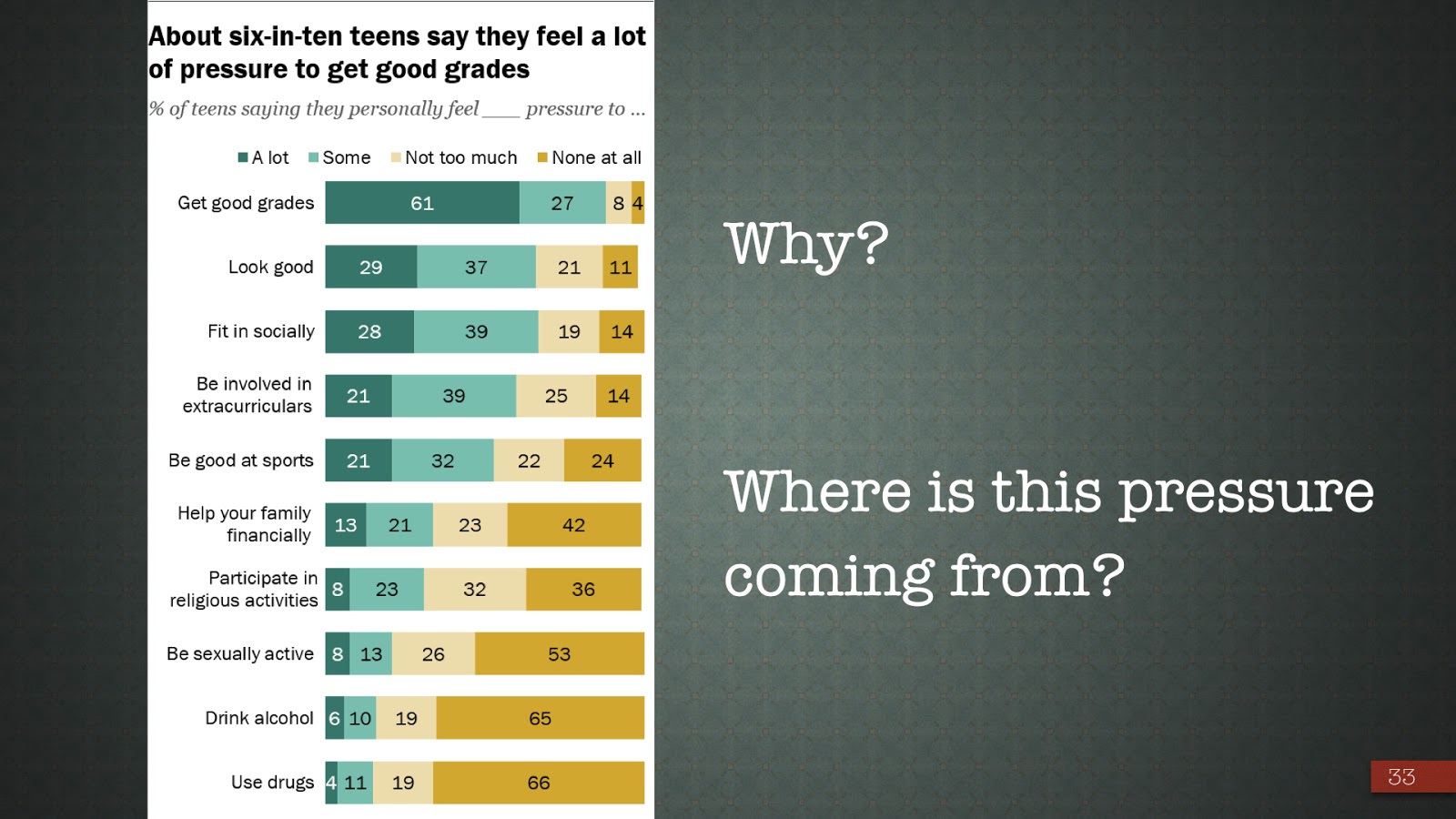
In our series on mental health, I was going to spend this week discussing the stress and anxiety of life caused by busyness, demands, and pressures of life. But now all that is gone. We went from 60 to Zero in no time flat. We’re all suffering from a kind of social whiplash. What a difference one week can make!
So instead of talking about busyness and stress, we thought it appropriate to talk a bit about Loss and Grief.
We are all going through loss right now. Every one of us has lost something. And globally we are mourning the disruption to daily life.
When we lose a loved one or go through a breakup or lose a job, that loss rocks our world. We don’t know how we’re going to carry on. Daily tasks feel impossible. Life as you know it will never be the same.
That’s called grief. And we are all feeling it right now. Concerts and events have been cancelled. The school semester might not even happen. Sports seasons are cancelled. Championships, tournaments, plays, vacations – gone. Every single one of us has something we were looking forward to that is either not happening or won’t happen for a long time. We can’t make plans because the future is so uncertain. We can’t go anywhere because everything is closed.
It’s hard to have hope.
It’s hard to be ok.
And that’s ok.
As I’ve said many times, your “now” is not your “forever.”
But in the meantime, it’s ok to grieve the loss of all the things you love, enjoy doing, and were looking forward to. Here’s what that might look like.
Maybe you’ve heard of the five stages of grief. You may not experience all five. You may not experience them in any certain order. You may experience the same stage more than once. But this probably explains a lot about what you may be feeling right now.
1. Denial & Isolation
“Denial is a common defense mechanism that buffers the immediate shock of the loss, numbing us to our emotions. We block out the words and hide from the facts. We start to believe that life is meaningless, and nothing is of any value any longer. For most people experiencing grief, this stage is a temporary response that carries us through the first wave of pain.”
Maybe you’ve thought it’s really not that bad. Maybe you’re trying to be cautiously optimistic (or naively optimistic) and doubting the truth behind the news reports. That’s ok for a while, but there comes a time when we need to be realistic about what’s happening so we can face reality in a healthy way.
2. Anger
“As the masking effects of denial and isolation begin to wear, reality and its pain re-emerge. We are not ready. The intense emotion is deflected from our vulnerable core, redirected and expressed instead as anger. The anger may be aimed at inanimate objects, complete strangers, friends or family.”
I know I’ve found myself overly irritable lately. I let little things bother me more than they usually do, and I end up lashing out at the ones I love the most. I’m angry that schools are closed and concerts have been cancelled. I’m mad that I can’t get outside because it’s cold and rainy. Anger is a natural human emotion, and it’s ok to feel anger. But we must remember that no one person is the cause of our anger and no one deserves to be treated badly because of our bad mood. (Talking to myself on this one!)

3. Bargaining
“The normal reaction to feelings of helplessness and vulnerability is often a need to regain control through a series of “If only” statements, such as:
  • If only we had sought medical attention sooner…
  • If only we got a second opinion from another doctor…
  • If only we had tried to be a better person toward them…
This is an attempt to bargain. Secretly, we may make a deal with God or our higher power in an attempt to postpone the inevitable, and the accompanying pain. This is a weaker line of defense to protect us from the painful reality.”
I see a lot of blame being thrown around. We can’t play the blame game anymore. The virus is here. This is happening. And it’s up to us to deal with it in the best way we can. However, bargaining can be particularly dangerous for Christians. We may be tempted to bargain with God. By all means – pray! Pray that God will bring healing to our country and the world. Pray that God will intervene to slow and stop the spread of the virus. But don’t bargain with him. Don’t try to make deals with God. Don’t “put the Lord your God to the test” as Jesus said.
Let’s take a page from the book of Daniel. Shadrach, Meshach, and Abed-nego were facing their deaths. The knew that God was able to deliver them. But even if he didn’t….they wouldn’t bow to the king’s idol. God is able, but even if he doesn’t… Let that be our prayer.
4. Depression
“There are two types of depression that are associated with mourning. The first one is a reaction to practical implications relating to the loss. Sadness and regret predominate this type of depression. We worry about the costs and burial. We worry that, in our grief, we have spent less time with others that depend on us. This phase may be eased by simple clarification and reassurance. We may need a bit of helpful cooperation and a few kind words.

“The second type of depression is more subtle and, in a sense, perhaps more private. It is our quiet preparation to separate and to bid our loved one farewell. Sometimes all we really need is a hug.”
It’s ok to be sad. It’s ok to cry. If you need a hug, ask for one. One of the hardest parts about this time is the need for social isolation and distancing. We are being told to stay away from each other. And that’s good advice for slowing the spread of the disease, but it’s really terrible for our mental and emotional health. Not only are we mourning the loss of all our favorite things, we can’t even really be around our friends to talk about it. Reach out. Be sure to keep those connections alive as much as possible. Hug your parents. Hug your siblings. Do things together. Talk through your grief together.
5. Acceptance
“Reaching this stage of grieving is a gift not afforded to everyone. Death may be sudden and unexpected or we may never see beyond our anger or denial. It is not necessarily a mark of bravery to resist the inevitable and to deny ourselves the opportunity to make our peace. This phase is marked by withdrawal and calm. This is not a period of happiness and must be distinguished from depression.”
You may hear the phrase “new normal” quite a bit. And that’s true. This will be our “normal” for a while. But again – your “now” is not your “forever.” We will eventually come to accept the changes of life for the time being, and we will settle into a routine. We will reach equilibrium, but it will take time. We will probably bounce back and forth between denial, anger, bargaining, and depression like a pinball some days. And that’s ok. Just keep doing the next right thing.
Wilderness
There is the concept of “wilderness” all throughout Scripture. The wilderness is a place of loneliness, isolation, threat, uncertainty, survival, testing, and more. Nobody wants to go through the wilderness – physical or metaphorical. But that’s where we find ourselves. The wilderness can be really hard and challenging. But it can also be a time of reconnecting and reforging. When we disconnect from the rest of the world, when our schedules are cleared out, when we have nothing but time on our hands, that’s when we can hear God speak.
God may be trying to get your attention during this wilderness experience. He may be trying to tell you that you take your grades way too seriously. He may be trying to tell you that you are working too many hours. He may be trying to tell you that you say “yes” to too many things. He may be trying to tell you that your sport isn’t as important as you think. He may be trying to tell you to spend more time with your family.
I am in no way implying that God caused this virus. I don’t think God often causes people to experience the wilderness. But God can and does use wilderness experiences to reach out and reconnect with his people. It can be a time of transformation and reevaluation.
Nobody knows what comes next. The future is uncertain. But we know that God’s got this.
Peace, perfect peace
Our future all unknown
Jesus we know
And he is on his throne

AM I OK? // Anxiety Disorders

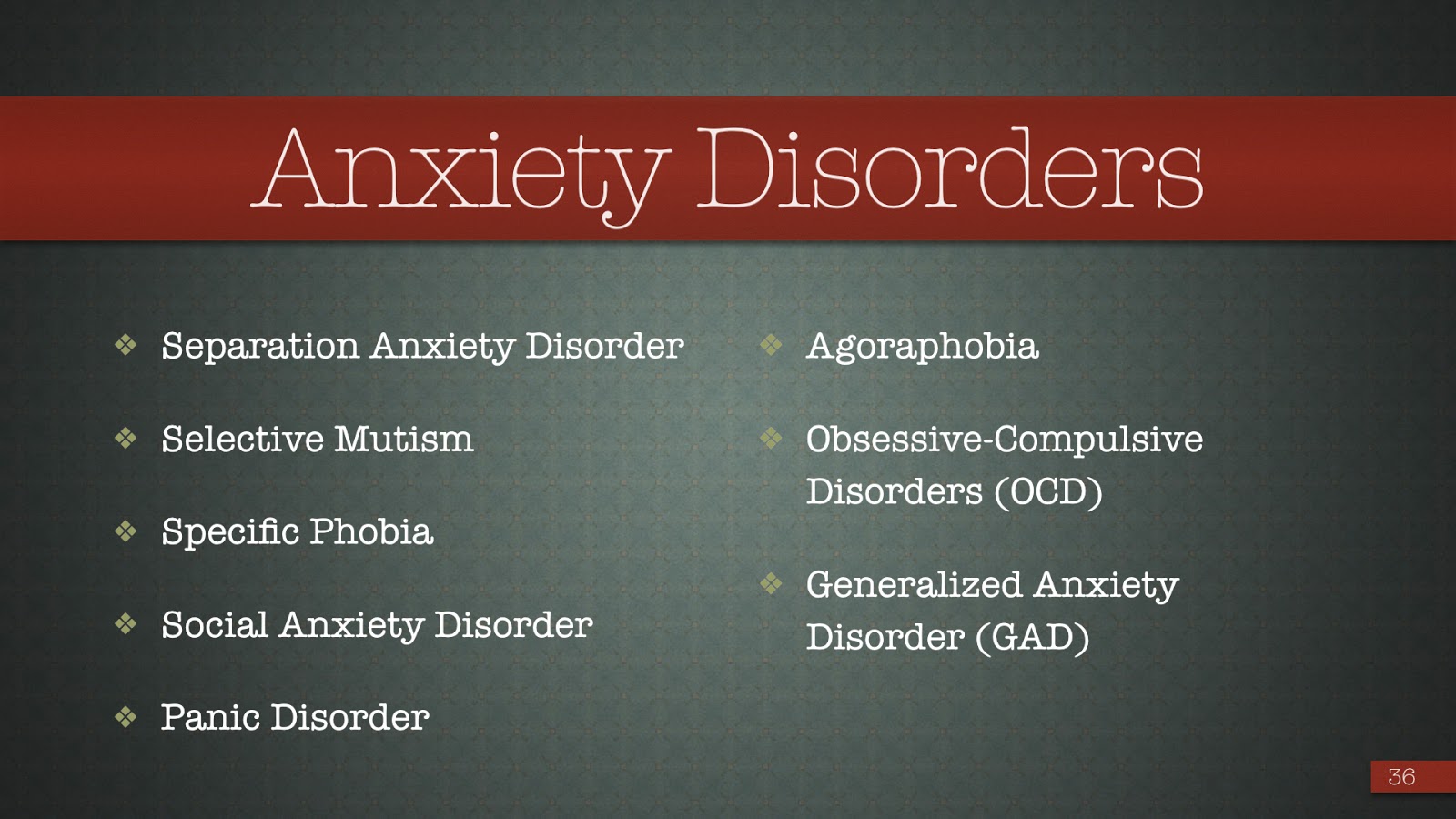
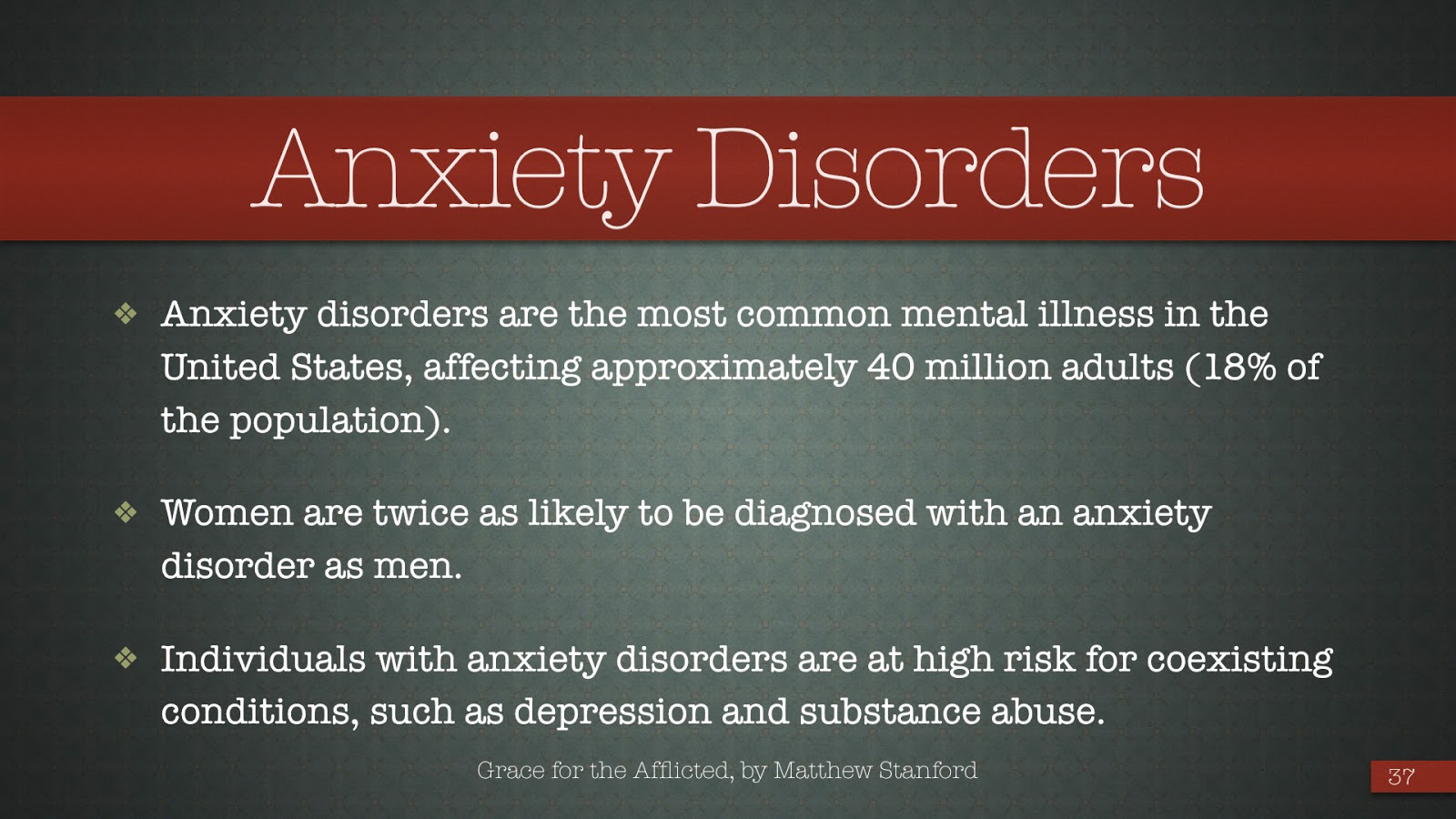
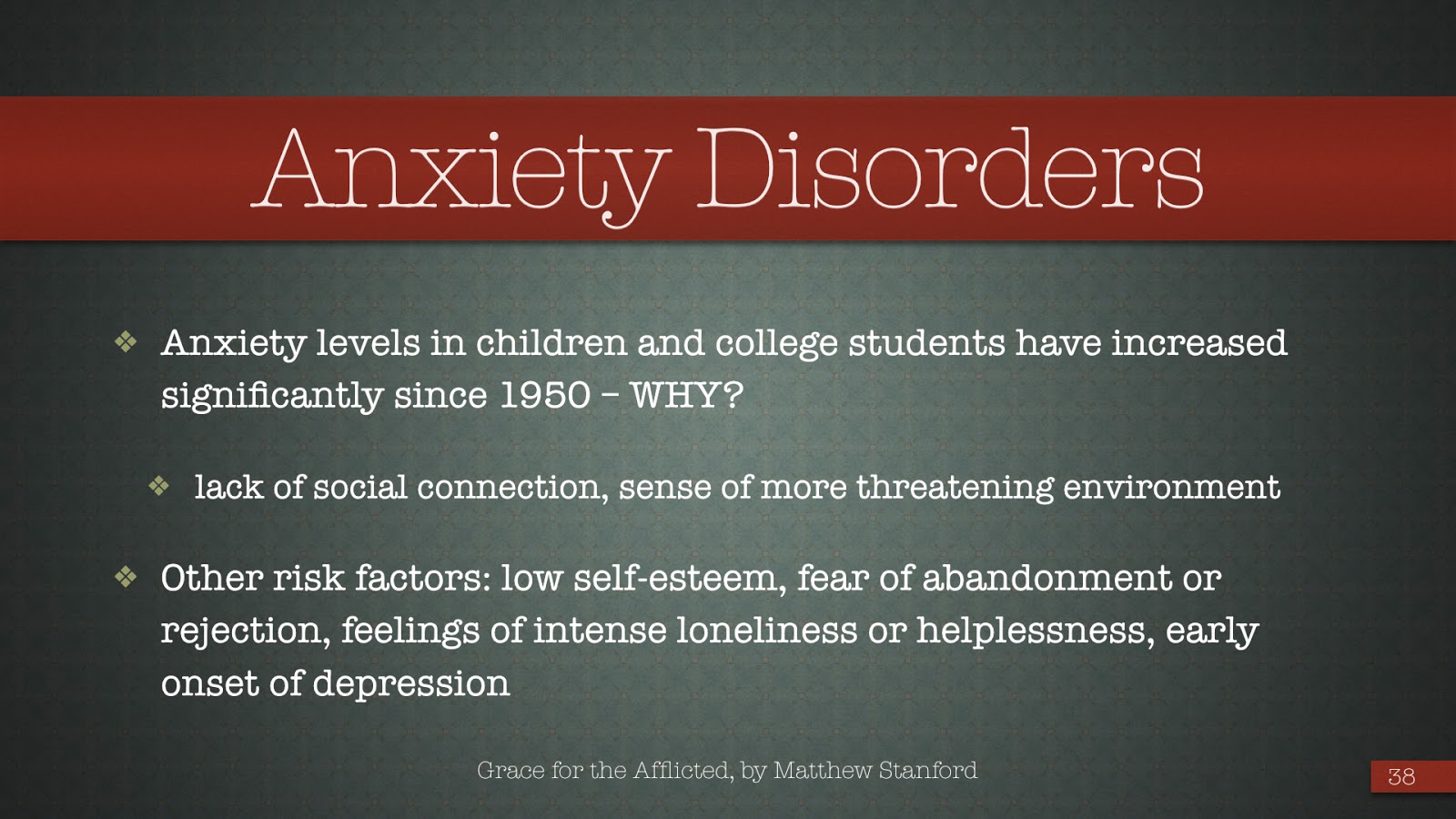
This week we discussed stress, anxiety, threat responses, panic attacks, and anxiety disorders. Feel free to share this with anyone who might find it helpful. If you are experiencing any of these symptoms, do not self-diagnose but talk to your doctor and get help. There is hope. There is healing. Your “now” is not your “forever.”

AM I OK? // Introduction

This week we began a new Wednesday night series for our teenagers, grade 6-12, about mental health. There are some who cannot join us every week, and there are parents who need to be included in the discussion. So I will be recording these lessons and uploading them here so you can listen and follow along with the Keynote slides if you wish.
You can also subscribe to our classes and sermons on Apple Podcasts by clicking here
Or you can download our church app to listen to recordings on iOS or Android devices
Or you can visit mitchellchurch.org/sermons

Are You a Monkey, an Elephant, or a Crab?

Freedom. It’s what we Americans sing about. It’s what we brag about. It’s what we thank God for. It’s what we honor our troops for fighting for.

But long before there was a United States of America, there was a longing for freedom. There is something innate within us as humans that longs to be free. Free from constraints and responsibilities and consequences. Free to make our own choices and mistakes. Free to say what we want, think what we want, act how we want, and get what we want.

We long to be free. So what about this freedom we have in Christ? One of the last things people think of when it comes to religion is freedom. Sure, we have the freedom to practice our religion without fear of state persecution. But when we follow a religion we are willingly assuming more constraints on our lives and are therefore less free. Right?

Jesus came to preach freedom as part of the Kingdom of Heaven.
     He stood up to read, and the scroll of the prophet Isaiah was handed to him. Unrolling it, he found the place where it is written:
“The Spirit of the Lord is on me,
    because he has anointed me
    to proclaim good news to the poor.
He has sent me to proclaim freedom for the prisoners
    and recovery of sight for the blind,
to set the oppressed free,
    to proclaim the year of the Lord’s favor.”
Then he rolled up the scroll, gave it back to the attendant and sat down. The eyes of everyone in the synagogue were fastened on him. He began by saying to them, “Today this scripture is fulfilled in your hearing.”
(Luke 4:16-21)

     Jesus replied, “Go back and report to John what you hear and see: The blind receive sight, the lame walk, those who have leprosy are cleansed, the deaf hear, the dead are raised, and the good news is proclaimed to the poor. Blessed is anyone who does not stumble on account of me.”
(Matthew 11:4-6)

     To the Jews who had believed him, Jesus said, “If you hold to my teaching, you are really my disciples. Then you will know the truth, and the truth will set you free….So if the Son sets you free, you will be free indeed.”
(John 8:31-32, 36)


So we have freedom in Christ as his followers. But there are ways we might not be as free as we think. If Jesus came to bring freedom, you better believe that Satan wants to keep us in bondage as long as possible. There may even be ways in which we think we are free but really aren’t. Let’s use three examples from the animal kingdom that I think are every bit as applicable to our own lives.

HOW TO TRAP YOUR MONKEY


     As they were walking along the road, a man said to him, “I will follow you wherever you go.”
     Jesus replied, “Foxes have dens and birds have nests, but the Son of Man has no place to lay his head.”
(Luke 9:57-58)


Do you have pesky monkeys making a mess of everything around your property? Do you want to trap them and get them away from your house and land? Then try a gourd trap.

The way it works is incredibly simple. Just get a large gourd and cut a small hole in the side. Hollow out the entire inside and then place a shiny ball of foil, a coin, or even some rice inside. The monkey will see the desirable object and reach in to steal it. The hole will be large enough for the monkey to slip its hand into; however, once the monkey has a hold of the object it cannot remove its balled up fist.

All it has to do is let go of the object and slip its hand back out, but it won’t. It’s trapped. Congratulations, you’ve caught a monkey.

How many of us can relate? We are just like that monkey. We know what we need to let go of, but we can’t. Is it a grudge? A bad habit? An addiction? A toxic relationship? A too busy schedule?

It seems cliche, but there is freedom in letting go. The enemy knows exactly what to put in that gourd to trap us. For some it might be the pursuit of more financial success or that promotion at work. For others it might be recognition in the community or becoming captain of your ball team. Maybe it’s family.

It doesn’t have to be a bad thing in that gourd. It just has to be something you aren’t willing to let go of. That’s why Jesus said that unless you deny yourself, take up your cross and follow him, you can’t be his disciple. He told the rich young ruler to sell all his possessions and then come follow him. The guy couldn’t do it. He couldn’t let go.

What are you holding onto in that gourd? Let it go. Give it up so that you can find real freedom.

THE ELEPHANT AND THE ROPE


     He said to another man, “Follow me.”
     But he replied, “Lord, first let me go and bury my father.”
     Jesus said to him, “Let the dead bury their own dead, but you go and proclaim the kingdom of God.”
(Luke 9:59-60)


There is a story told of a man traveling abroad. He passed by another man with an elephant. The elephant, he noticed, was enormous yet it was held in place by a small rope tied to a metal stake stuck in the ground. If the elephant wanted to he could easily pull free and be on his way. The traveler was intrigued, so he asked the owner how he kept this massive animal contained with a simple rope and stake.

The owner answered that when the elephant is very young they tie a larger rope around his leg and attach it to a much stronger post. The elephant pulls and pulls but is never able to budge. It is truly stuck. So it learns as it gets older that as soon as it feels the rope around its leg and a little bit of resistance, it is stuck and cannot go anywhere.

The elephant is conditioned to think it is trapped even though it could easily be free. The only thing holding it back is its past conditioning.

I’m all for raising children with guidelines, rules, and boundaries. But as they get older, they must experience freedom from those constraints.

The same goes for our faith. I hear people say, “I wasn’t raised that way” or “that wasn’t what I was taught.” Well, maybe it’s time to tug a little harder on that tradition or teaching. Maybe it’s time to stop letting our past and traditions hold us back from experiencing the freedom we have in Christ. We might be resigned to doing things the way they’ve always been done because we feel bound by our past. But Jesus came to bring freedom. Retrain your brain to pull. You are stronger than your past. You are capable of enjoying the freedom you have in Christ now without being a prisoner to your upbringing.

THE BUCKET OF CRABS


     Still another said, “I will follow you, Lord; but first let me go back and say goodbye to my family.”
     Jesus replied, “No one who puts a hand to the plow and looks back is fit for service in the kingdom of God.”
(Luke 9:61-61)


Maybe you’ve heard of “the crab mentality.” It’s a concept that comes from those who catch crabs. If you put one crab alone in a bucket, it will almost certainly climb out and escape. However, if you get several crabs in a bucket, they will keep each other from escaping. If one attempts to scale the walls to freedom, then other crabs will reach up and pull that rebellious crab back down into the bucket with the others where it belongs.

You can probably see where I’m going with this. The “crab mentality” is a phenomenon that happens in social circles all the time. If someone begins to excel academically, they are bullied. If someone stands out on the ball court, then they are called a showoff or ball hog. If someone gets on fire for Jesus, then they are ostracized or ridiculed until they calm back down.

The crab mentality keeps too many people from pursuing their dreams because of all the nay-sayers around them. It keeps people from stepping out in faith because “we’ve never done it that way.” It keeps people from truly following God’s calling on their lives because my parents would kill me if I left college to become a missionary.


We’re all just a big bucket of crabs pulling each other down. Instead, we should be like mama birds pushing their babies out of the nest so they can fly and be free. Real freedom is found in following God’s calling for your life no matter what the pessimists around you say. Real freedom is found in climbing out of that boat on the stormy sea so that you can be closer to Jesus even if the other eleven guys stay in. Real freedom is found in refusing to bow to the gods of this world even if that means risking your career, your social status, or even your life.

DO YOU WANT TO BE FREE?


     It is for freedom that Christ has set us free. Stand firm, then, and do not let yourselves be burdened again by a yoke of slavery.
(Galatians 5:1)

In each of those three interactions Jesus has with would-be disciples in Luke 9, we see something holding them back from experiencing the freedom that comes from following Christ. The first didn’t want to let go of the life he had built for himself. He wasn’t ready to sacrifice all the things he had worked for. The second wanted to follow Jesus, but he wanted to wait until his father died. The indication is not that his father is already dead and he has to go to the funeral. The text implies that the father is still living, and this man can’t follow Jesus until his dad is out of the picture. He is letting his past and upbringing keep him bound. He should be free to leave any time he wants, but it’s his relationship with his father that is holding him back. The third wants to say goodbye to his family. That seems reasonable, but the implication is that his family isn’t coming along with him. If he goes back now, there is the real chance that they could dissuade him and pull him back into that bucket.

How badly do you want it? If you want true freedom in following Christ, then you must let go of whatever you are holding onto; you must stop letting your past hold you back; and you must determine to follow no matter who else goes along with you and no matter what anyone else thinks or says.

What’s holding you back most often? Are you a monkey, and elephant, or a crab?

Why Is It Weird to Pray Outside of Church?

Real Questions from Real Teenagers

Why is it weird to pray outside of church?

Because we’ve made it weird.

I admit that I’m not one to always pray at a restaurant before a meal. But we do pray around our dining table at home and before bed and on the way to school. I try to normalize it for our family to pray. We try to pray anytime we see a wreck or an ambulance drive by. And I’ve been trying to get better about stopping to pray right then and there whenever someone asks me to pray for someone or something.

The problem is that we compartmentalize our lives too much. We have our prayer life, our church life, school life, sports life, family life, work life, social life. There is a place for everything and everything in its place. We take God out of his box when we go to church, but then we shelve him when it’s time for school or the game.

The thing is, God doesn’t want your “spiritual life.” He wants your life. All of it. The whole thing.
      Therefore, I urge you, brothers and sisters, in view of God’s mercy, to offer your bodies as a living sacrifice, holy and pleasing to God—this is your true and proper worship. Do not conform to the pattern of this world, but be transformed by the renewing of your mind. Then you will be able to test and approve what God’s will is—his good, pleasing and perfect will.
(Romans 12:1-2)

I love the way Eugene Peterson words this passage in The Message:
     So here’s what I want you to do, God helping you: Take your everyday, ordinary life—your sleeping, eating, going-to-work, and walking-around life—and place it before God as an offering. Embracing what God does for you is the best thing you can do for him. Don’t become so well-adjusted to your culture that you fit into it without even thinking. Instead, fix your attention on God. You’ll be changed from the inside out. Readily recognize what he wants from you, and quickly respond to it. Unlike the culture around you, always dragging you down to its level of immaturity, God brings the best out of you, develops well-formed maturity in you.

God wants your whole life. Jesus is King over every part of our lives.

The thing about prayer, specifically, is that we don’t have to stop, close our eyes, fold our hands, and bow our heads. Prayer is a way of living in constant contact and communication with God. That’s why Paul can say,
     Be cheerful no matter what; pray all the time; thank God no matter what happens. This is the way God wants you who belong to Christ Jesus to live.
(1 Thessalonians 5:16-18, The Message)

Pray all the time. Never stop praying. Pray without ceasing. How can we do that if we have to close our eyes and bow our heads? Prayer is simply keeping near to God throughout our day.
Every breath can be a prayer of thanks. Every ache and pain can be a prayer for healing and strength. Every joy can be a prayer of praise. Every laughter, every step, every meal can be a prayer.

I appreciate the words of a couple songs that I will close with.

In Your love I find release
A haven from my unbelief
Take my life and let me be
A living prayer my God to Thee
(“A Living Prayer” by Allison Kraus)

May my steps be worship
May my thoughts be praise
May my words bring honor to Your name
(“Father God”)

Praying outside of church is only weird if we’ve made it weird. Don’t make it weird. Make it your life, part of who you are, all day every day.

This Is The Way

It is no secret that I’m a huge Star Wars fan. I could talk for hours about the movies, the books, the details, the meanings and symbolism, and the future of the franchise. When I visited Disney World last November, I felt right at home at the Black Spire Outpost on Batuu (AKA Galaxy’s Edge).

One of the best things to happen to the Star Wars Universe…er…Galaxy is the Disney+ hit show, The Mandalorian. If you’ve been living inside a giant asteroid worm and haven’t seen the show or anything about it, then go watch it. I have spoken.

The show is essentially a “space western” following the eponymous Mandalorian, our main mysterious character. We don’t even see his face or hear his real name until late in the series. He is a bounty hunter commissioned to bring in a high-risk, high-reward target – the 50 year old youngling affectionately named by fans “Baby Yoda.”

As cute and awesome as Baby Yoda is, that’s not what I want to talk about. This show gives us a glimpse into the secretive life of the remaining Mandalorians. They were once a great race of warriors from the planet Mandalore. They were renowned for their armor, their battle tactics, and their honor code. According to that code, a warrior must never remove his helmet or have it removed by another person. It symbolizes their commitment not only to their people but also to their way of life. Throughout the series you hear “Mando” and his fellow remaining Mandalorians affirm, “This is the way.”

**POTENTIAL SPOILERS AHEAD**

I say “remaining” Mandalorians because their homeworld and their people were destroyed by the Empire. They were all but wiped out, and those that remain were forced into hiding as refugees throughout the galaxy. But their legends followed them. Mandalorian armor was a high value treasure that was worn by proud and boastful outsiders like Jango and Boba Fett. The real Mandalorians live in underground communities that cannot grow too large without blowing their cover. They must be careful about revealing themselves and their location. They are a tight-knit group of like-minded warriors who must keep their identities and communities safely hidden from the Empire – or what remains of it in this case.

But we also learn that “Mando” wasn’t a naturally born citizen of Mandalore or the Mandalorian people. He was saved by Mandalorian warriors as a child when his own home world was invaded and attacked by the Empire. He was rescued and taken in as one of their own. He was trained in their ways and customs to become a Mandalorian warrior himself. He willingly chose to don the armor and helmet. He chose to submit himself to “The Way.”

Their commitment to a specific way of life has me thinking and wondering – Are we as committed to anything in our own lives as the Mandalorians are to their way of life?


I think as Christians we can learn a lot from the Mandalorians. No, not how to shoot a rocket launcher while flying with a jet pack — although that would be awesome! But their level of commitment should be evident in our own lives.

For the average American citizen, the strongest allegiance is to their favorite sports team. Yes, you read that right. The average American is more committed to their sports team than they are to their country, their family, their spouse, their job, or their religion. In other words, a man could divorce his wife, leave his family, quit his job, and move to Taiwan, but he will still be a Cubs fan until the day he dies.

We aren’t committed to anything anymore. When surveyed, most Americans will agree with the statement that “loyalty is a declining virtue in this country.” But they will ALSO agree with the statement, “I am more loyal than the average person.” We see this across the spectrum. Employees are not staying with a company as long anymore. Adults are waiting longer and longer to get married and have kids. And whereas “regular church attendance” meant 2-3 times per week 15 years ago, now that has come to mean 2-3 times per month.

There is something refreshing about those people in my life who are truly committed. I admire those couples who have been married for five decades. I appreciate those workers who retire from the same company they started with. I look up to those ministers who have been with a church for 15+ years. Most of all, I want to be like those people who live consistent lives day in and day out no matter what the circumstances.

When we make a commitment to follow Christ, we are taking off the old self and clothing ourselves with Christ. When people see the main character in the first-ever live action Star Wars TV show, they don’t see Din Djarin, they see the Mandalorian. He chose to put on that armor and never remove it in front of anyone. We have put on Christ. Are we willingly taking off our “armor” for all the world to see? When people look at me, do they see Daniel, or do they see Christ?

This is the way.

Jesus said that he is “the way, the truth, and the life. No one comes to the Father except through [him].” Before Christ-followers were called Christians, they were known as those who follow “The Way.” This “Way” that we follow is a life altogether different from that of the world. We are living as foreigners and strangers. We are living as small outposts of the Kingdom of Heaven. Our citizenship is not with any nation on earth, it is in Heaven. We are small groups of highly committed followers of The Way who invite others in and encourage them to put on Christ.

We are warriors, but our battle is “not against flesh and blood, but against the rulers, against the authorities, against the powers of this dark world and against the spiritual forces of evil in the heavenly realms.” We don’t wage war, we wage peace. We don’t pick up weapons, we turn them into farm tools. We don’t return evil for evil, but we overcome evil with good and pray for our enemies. Our way of life is shaped by a tool of execution wielded by the Empire. We don’t fight for our lives, but we pick up our cross daily willing to go to our deaths. Our way of life looks like foolishness to the world, but is good news to those who are perishing under the weight of life’s demands.

“We are hard pressed on every side, but not crushed; perplexed, but not in despair; persecuted, but not abandoned; struck down, but not destroyed.”

This is the way.

A Biblical (Her)meneutic

When studying Scripture about a certain topic, I think the best and most helpful approach is to study it from beginning to end, from Genesis to Revelation. The Bible is one cohesive story with a lot of twists and turns along the way. It was written by approximately 40 different authors across three different continents spanning multiple Empires and about 2,000 years of human history.

We must recognize the diversity of thought going into the writings of Scripture. Moses and Solomon and Daniel and Paul are all writing from VERY different times, places, and circumstances. Is there disagreement in the Bible? Yep. And I’m comfortable with that. The Bible is not so much a source for answers about God as it is a debate stage about God. That’s why God can seem very different from the Law, the Psalms, the Prophets, and the Gospels.

The amazing thing, though, is that even through the diversity and arguments, we can see themes and principles developing throughout the story from beginning to end.

Take baptism for instance. Water is there in the opening lines of the Bible. Water represents chaos, evil, and death. But we see God bringing life out of the water. Creation rises from the chaos of water. In Exodus there is deliverance from the Egyptians through the waters of the Red Sea. In Joshua the Israelites enter the promised land through the waters of the Jordan River. Passing through the waters from chaos into freedom and new life is a major theme for the story of Israel, and that’s the story at the beginning of Jesus’ ministry. The book of Revelation looks ahead to a time when there would no longer be any “sea.” Chaos and evil and death have been done away with. There is only new life, new creation.

We can do this same exercise with blood and grace and the Trinity and the Kingdom of Heaven. The creative team behind The Bible Project on YouTube does and amazing job with their videos showing how major themes are developed throughout the course of Scripture. Definitely check them out.

Here’s the point in all of this. When it comes to foundational truths of our faith, we cannot simply latch onto one or two verses. That would be like judging a song based on four notes in the bridge rather than the song as a whole.

But that’s exactly what we do when it comes to our understanding of women in the church. We disregard the rest of Scripture and focus in on five sentences from Paul’s letters and say that women cannot have a voice in the public worship assembly of the church – ever. Period. Case closed.

Five sentences.

I usually wouldn’t do this, but here’s a thought experiment. If I were to disregard Acts 2:38 and 1 Peter 3:21, I could still use the bulk of Scripture to make a case for the sacrament of baptism. If I were to ignore 1 Corinthians 11:23-26, I could still make a case for the sacrament of communion. If I were to disregard Ephesians 5:19 and Colossians 3:16, I could still make the case for congregational singing in worship.

Are you with me? Do you see where I’m going with this?

If I were to disregard 1 Corinthians 14:34-35 and 1 Timothy 2:11-12, I could NOT make the case for prohibiting women from serving and leading in the church. The issue is not brought up anywhere else. It’s an entire prohibition based on five sentences while purposefully disregarding the rest of Scripture.

We have two options when it comes to these five sentences.
1) Either Paul contradicts himself and the rest of the Bible in the worst way, or
2) we have been misunderstanding or misapplying what Paul was saying.

So let me be clear. The BIBLE does not say that women are to be silent and submissive to men in every church for all time. PAUL instructs certain women in certain churches who are causing certain problems to be quiet and submissive so that they can learn and become educated so that they can then contribute in a way that encourages and builds up the church.

I am not going to go back and trace the theme of male and female equality throughout Scripture. I’ve already done that in about 20,000 words worth of posts. Please go back and read those if you are so inclined.

If we are going to be faithful workers who “rightly handle the word of God,” then we must handle the WHOLE word of God. Paul’s instructions in those two passages are beneficial and have their place. But they must be viewed and studied within the larger framework of the Bible and the story we are all a part of.