Understanding God, Ourselves, & the World Around Us
Author: Daniel Lee
I'm a Midwest millennial minister living on mission for God. Join me as I discover what it means to love God with all my heart, soul, mind, and strength, and to love my neighbor as myself.
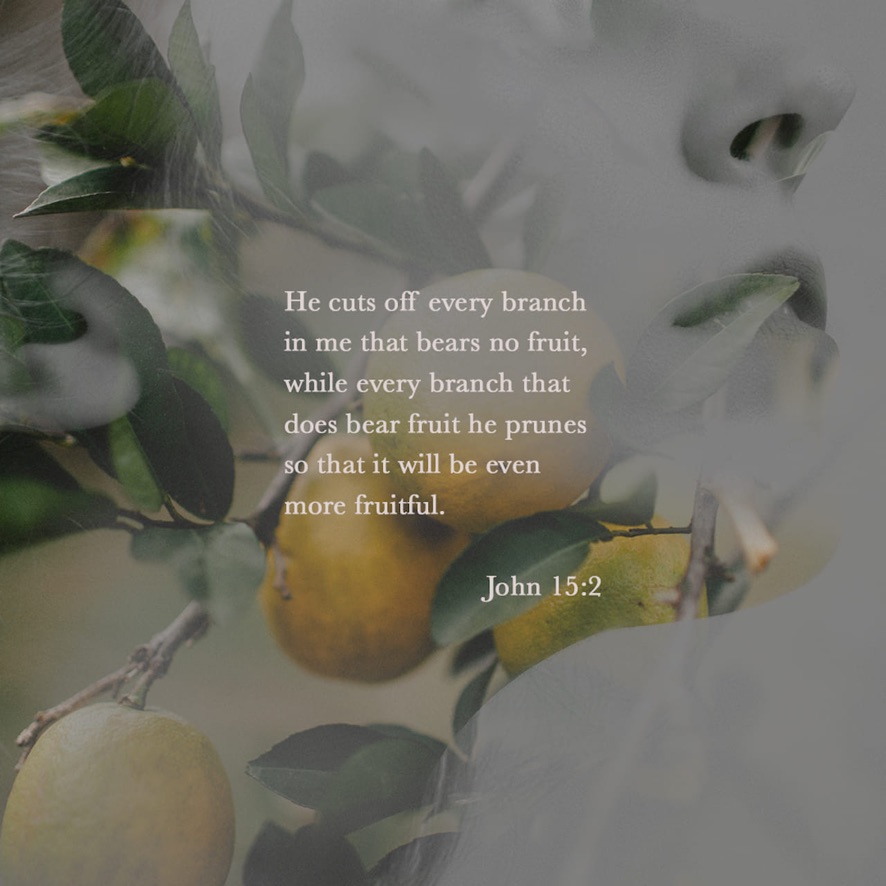
He cuts off every branch in me that bears no fruit, while every branch that does bear fruit he prunesa so that it will be even more fruitful.
One of my favorite times of the year is early spring when I get to tend to my flower beds after a long, dormant winter. It’s always exciting to see plants which look dead burst into color with new life. But inevitably there will be some plants that need to be cut back or trimmed up in order to promote new, healthy growth.
Godly sorrow brings repentance that leads to salvation and leaves no regret, but worldly sorrow brings death.
Guilt and shame. There’s a huge difference. Guilt is the feeling we get when we’ve done something wrong and we know it. Shame is a feeling that we are fundamentally broken and unworthy. Guilt says I did something bad. Shame says I am bad. Guilt and shame can both lead to changed behavior, but not with the same results.
In the previous post we looked at ways in which we American Christians have broken the first four of the Ten Commandments that we claim to live by. Granted, we don’t exactly live under the Jewish Torah and Covenant. But Jesus actually holds us to a higher standard, not a lower one. He summarized all the Law and the Prophets into these Two Commands: Love the Lord your God with all your heart, soul, mind, and strength; and love your neighbor as yourself. The first four of the Ten Commandments regard the first and greatest command. The last six guide our relationships with others. Love God. Love others.
But how good of a job have we done with even those two commands? Not very well when the words non-Christians use to describe us include judgmental, arrogant, too political, hateful, homophobic, hypocritical, and so on. Jesus said people will know we are his disciples by our love. Not by our slogans or open letters or bumper stickers or political affiliation.
If we want to make a difference, if we want to make a change, then we have to get back to the basics. We have to relearn what it means to love our neighbors as ourselves. We have to be real and honest about the ways we’ve gotten it wrong. And we have to repent – not just saying “I’m sorry,” but truly changing our actions and attitudes.
There’s a story in the gospels about a young man who came up to Jesus and asked the question most of us want to know at some point: “What must I do to be saved?” I don’t want to get into the different things we could mean by “saved,” but most of us want to know the answer. Jesus tells him, basically, keep the commandments – specifically the all too familiar 10 Commandments. The man’s response? “All these I have kept since my youth.”
Jesus goes on to challenge this self-righteous notion of perfect adherence to the Law by telling him to sell everything he has and give it to the poor. He can’t do it because he was very wealthy. In that one response, Jesus exposes our misunderstanding of what the 10 Commandments are really there for.
This is the fourth and final week of Advent 2020. Can you feel it? Christmas is right around the corner. It’s probably going to look different for many of us than we are used to. But that’s ok. Because Christmas isn’t ultimately about getting what we want. It’s a celebration of the love God showed for us by coming down to be with us, to be one of us. As the song says, “Fullness of God in helpless babe.”
Throughout the centuries mankind has been trying to get to be where God is through various forms of religious rituals, practices, and beliefs. There are those who say, “All paths lead to God.” But the incarnation, the Christmas story, shows us that we have sorely missed the point. God doesn’t demand that we find a path that leads us to him. He has already come to be with us! That’s what Immanuel means – God with us.
This is the third week of ADVENT. The theme for this week is Joy. When was the last time you experienced true joy? I know this year has been hard for so many of us in many different ways. But even in the time of wilderness, trial, testing, suffering, sorrow, and loneliness, we can still find joy. How? Keep going with this post to find out.
Can you guess these 30 Christmas Carols based on the emojis? Take the quiz, see how you do, and then share it with others. Feel free to sing along as you go through the quiz. In fact, it’s highly encouraged that you do so.
“The best way to spread Christmas cheer is singing loud for all to hear!”
This week the Lawrence County Youth Network has been focusing on Peace, the week-two theme of Advent. If you haven’t seen the full post, CLICK HERE to catch up.
Here are my answers to the discussion questions concerning Peace.
This Advent season, the Lawrence County Youth Network is teaming together to bring you weekly videos, discussion questions, and an overview podcast. Each week we will be reflecting on one of the main themes of Advent: Hope, Peace, Joy, and Love.
What do you think of when you think about Peace? Is it a cozy winter day reading a book and drinking hot chocolate under your sherpa-lined blanket? Is it binging Netflix with no other responsibilities to worry about? Is it your parents finally getting along, or at least pretending to? Is it the end to a military conflict overseas?
I would think for most of us, Peace means a sense that all is right in the world – or at least in our world. Let’s think about Peace as we begin. This first video is one of my favorite Christmas songs by Peter Hollens, called “December Song.”
Peace that Surpasses Understanding
In this week’s teaching video, Gabe Garcia from Mt. Pleasant Christian Church brings us a message about Peace. Check it out, and then spend some time working through the discussion questions below.



 Daniel N. Lee